
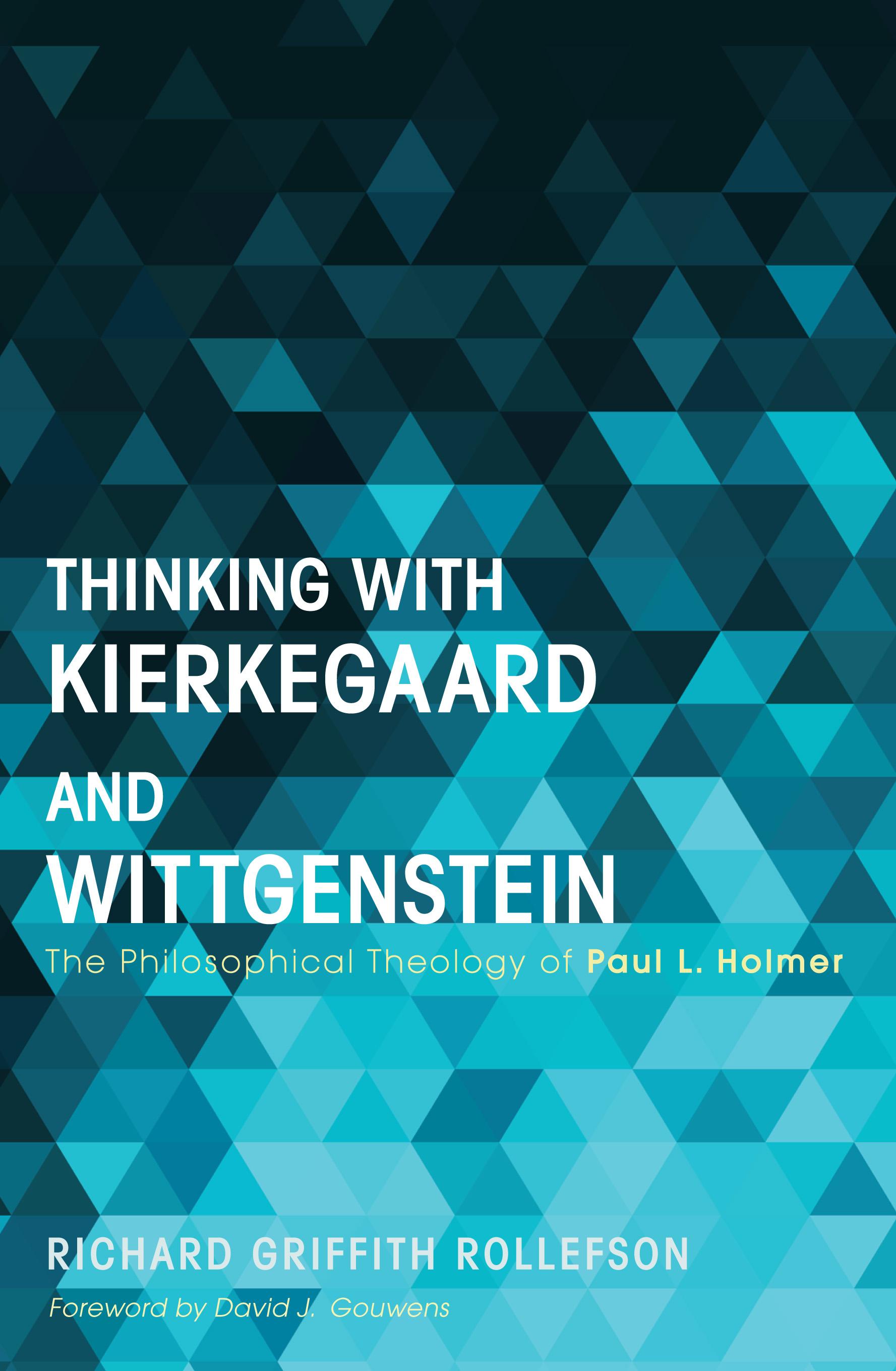
Paul L. Holmer influenced the development of the so-called Yale School and several generations of students by seeing common logical and ethico-religious themes in the works of Soren Kierkegaard and Ludwig Wittgenstein. Holmer is perhaps the preeminent interpreter of Kierkegaard with his analysis of the logic of Kierkegaard's "truth as subjectivity" and "the morphology of the life of Christian belief." In his polemical and constructive work The Grammar of Faith, Holmer explored the significance of the later philosophy of Ludwig Wittgenstein for theology and proposed a critical alternative to contemporary academic theology. In his C. S. Lewis: The Shape of His Life and Thought, Making Christian Sense, and various essays now compiled in The Paul L. Holmer papers, Holmer's reassessment of the traditional concepts of virtues and vices, his recognition of the importance of Christian praxis in providing the context for theological and ethical reflection, together with his emphasis on the role of emotions and passions in the life of faith, portray how the Christian faith forms character and helps one "make sense" with one's life.
Betala smidigt med kort, Klarna, Apple Pay eller Google Pay. Är du inte nöjd har du alltid 14 dagars ångerrätt. Läs mer i våra villkor. Har du några frågor, mejla oss på hello@memmo.org.
Memmo gör det enklare att plugga – var du än är i världen. Hos oss samlar du kursböcker och smarta studieverktyg på ett och samma ställe: sammanfattningar, quiz, poddar och flashcards. Och så Ted, din studiekompis som svarar på allt du undrar. Över 50 000 studenter pluggar redan här – byggt för att du ska lära dig snabbare och stressa mindre.
Du kanske också gillar
Köp boken0