
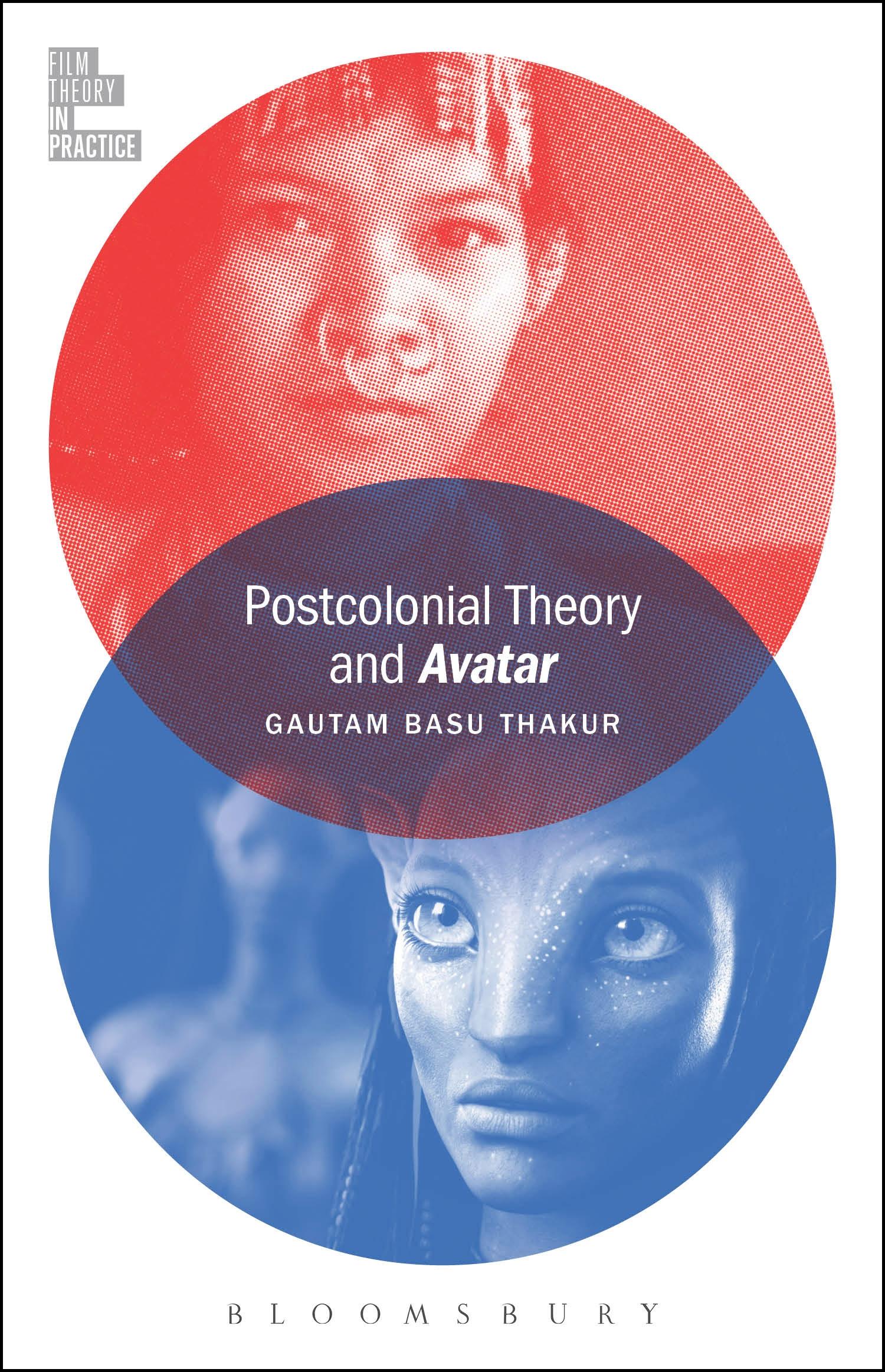
The Film Theory in Practice series fills a gaping hole in the world of film theory. By marrying the explanation of a film theory with the interpretation of a film, the volumes provide discrete examples of how film theory can serve as the basis for textual analysis. The second book in the series, Postcolonial Theory and Avatar offers a concise introduction to postcolonial theory in jargon-free language and shows how this theory can be deployed to interpret James Cameron's high-grossing, immensely popular, and critically acclaimed 2009 film.
Avatar is widely celebrated for its politically and culturally sensitive critique of the “West's” neocolonial wars and exploitation of the “global south” – an allegory for (neo)colonialism – and for highlighting the plight of tribal communities throughout the world (for instance, the case of the Dongriah Kondh tribe of India). At the same time, it has been also criticized for repeating the colonialist fantasy of saving natives doomed by imperialist aggression. Intervening in this debate over how to read the film, Basu Thakur focuses on issues of representations, discourse, subalternity, and subjectivity, all of which have been central to postcolonial theory and postcolonial analyses of culture. This history will help students and scholars who are eager to learn more about this important area of theory and bring the concepts of postcolonial theory into practice through a detailed interpretation of the film.
Avatar is widely celebrated for its politically and culturally sensitive critique of the “West's” neocolonial wars and exploitation of the “global south” – an allegory for (neo)colonialism – and for highlighting the plight of tribal communities throughout the world (for instance, the case of the Dongriah Kondh tribe of India). At the same time, it has been also criticized for repeating the colonialist fantasy of saving natives doomed by imperialist aggression. Intervening in this debate over how to read the film, Basu Thakur focuses on issues of representations, discourse, subalternity, and subjectivity, all of which have been central to postcolonial theory and postcolonial analyses of culture. This history will help students and scholars who are eager to learn more about this important area of theory and bring the concepts of postcolonial theory into practice through a detailed interpretation of the film.
Betala smidigt med kort, Klarna, Apple Pay eller Google Pay. Är du inte nöjd har du alltid 14 dagars ångerrätt. Läs mer i våra villkor. Har du några frågor, mejla oss på hello@memmo.org.
Memmo gör det enklare att plugga – var du än är i världen. Hos oss samlar du kursböcker och smarta studieverktyg på ett och samma ställe: sammanfattningar, quiz, poddar och flashcards. Och så Ted, din studiekompis som svarar på allt du undrar. Över 50 000 studenter pluggar redan här – byggt för att du ska lära dig snabbare och stressa mindre.