
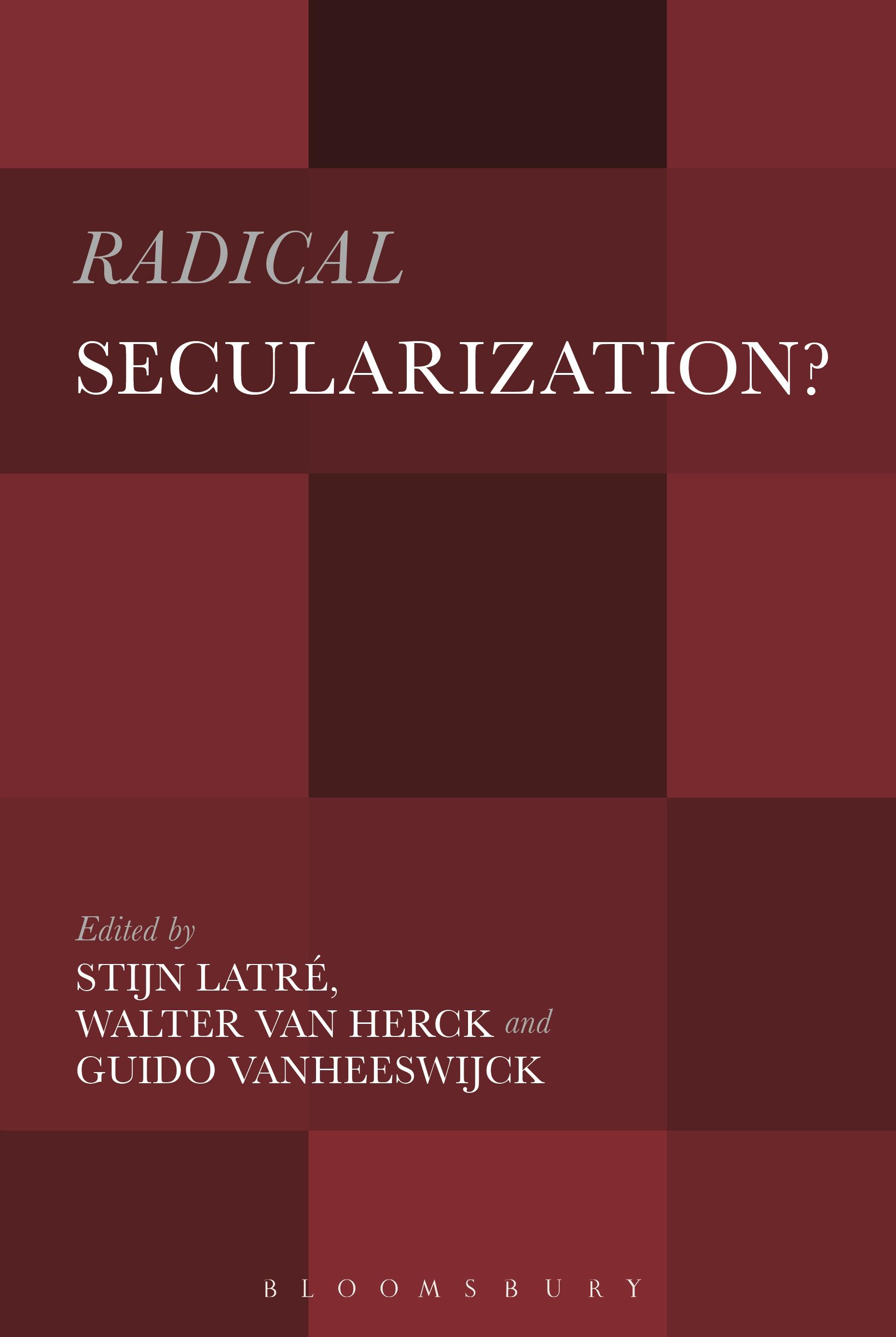
What does it mean for a society to be secular? Answering this question from a philosophical angle, Radical Secularization? delves into the philosophical presuppositions of secularization. Which cultural evolutions made secularization possible? International scholars from different disciplines assess the answers given by many leading philosophers such as, among others, Löwith, Blumenberg and Habermas (Germany), Gauchet and Nancy (France), Taylor and Bellah (North America). They examine the theory that secularization cannot only be regarded as a cultural change that was forced upon religion from an external source (e.g. science), but should also be considered as a phenomenon triggered by motives internal to religion. If religions are indeed capable of inner transformations, the question arises whether religions can persist in the secular societies they inadvertently helped to bring about, and how secular societies may accommodate religion.
Betala smidigt med kort, Klarna, Apple Pay eller Google Pay. Är du inte nöjd har du alltid 14 dagars ångerrätt. Läs mer i våra villkor. Har du några frågor, mejla oss på hello@memmo.org.
Memmo gör det enklare att plugga – var du än är i världen. Hos oss samlar du kursböcker och smarta studieverktyg på ett och samma ställe: sammanfattningar, quiz, poddar och flashcards. Och så Ted, din studiekompis som svarar på allt du undrar. Över 50 000 studenter pluggar redan här – byggt för att du ska lära dig snabbare och stressa mindre.