
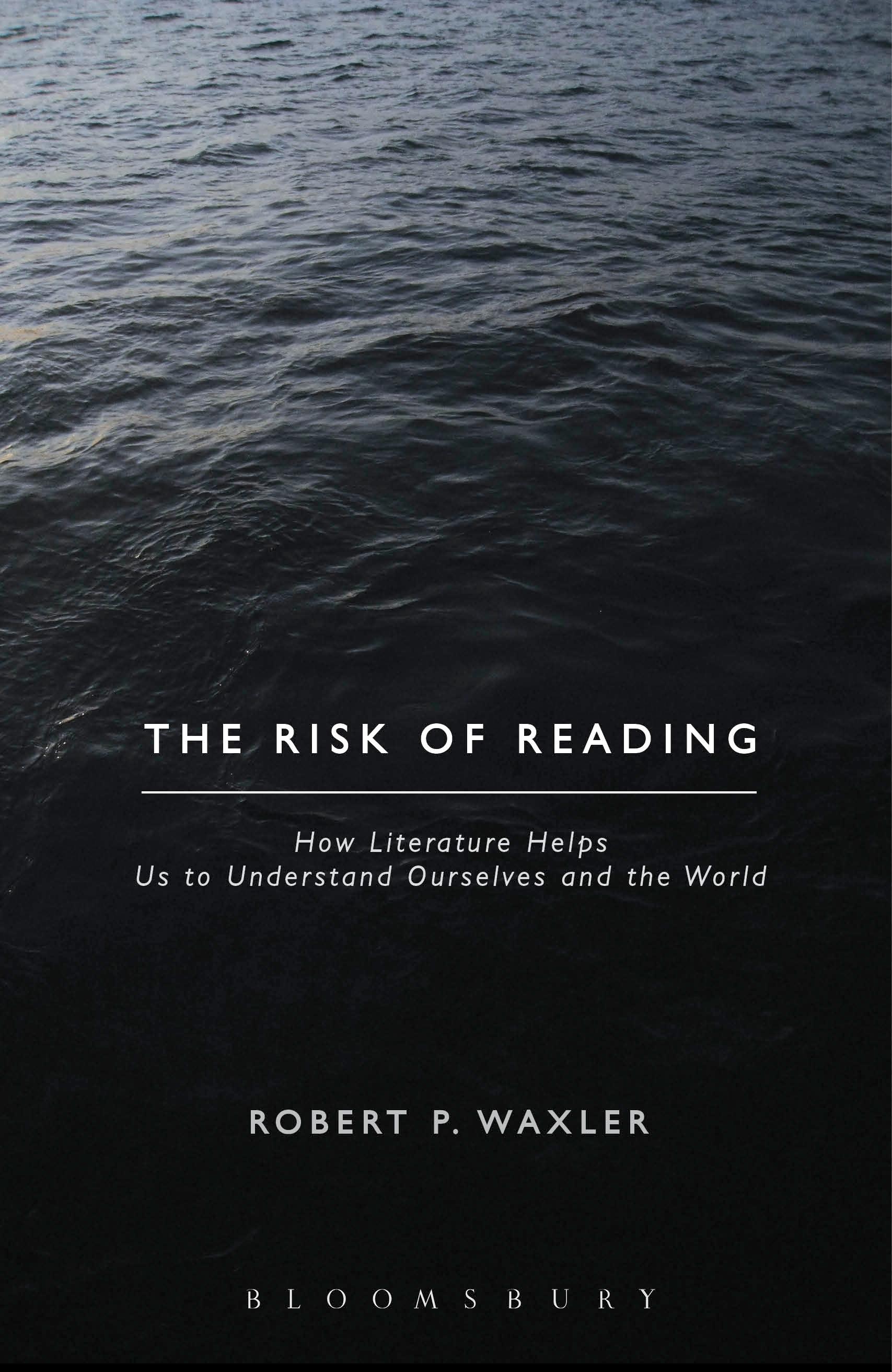
The Risk of Reading is a defense of the idea that deep and close readings of literature can help us to understand ourselves and the world around us. It explores some of the meaning and implications of modern life through the deep reading of significant books. Waxler argues that we need "fiction" to give our so-called "real life" meaning and that reading narrative fiction remains crucial to the making of a humane and democratic society.
Beginning by exploring the implications of thinking about the importance of story in terms of "real life", The Risk of Reading focuses on the importance of human language, especially language shaped into narrative, and how that language is central to the human quest for identity. Waxler argues that we are "linguistic beings," and that reading literary narrative is a significant way to enrich and preserve the traditional sense of human identity and knowledge. This is especially true in the midst of a culture which too often celebrates visual images, spectacle, electronic devices, and celebrity. Reading narrative, in other words, should be considered a counter-cultural activity crucial on the quest to "know thyself." Reading literature is one of the best opportunities we have today to maintain a coherent human identity and remain self-reflective individuals in a world that seems particularly chaotic and confusing.
Each chapter takes up a well-known work of nineteenth- or twentieth-century literature in order to discuss more fully these issues, exploring, in particular, the notion of life as a journey or quest and the crucial relationship between language and our contingent everyday existence. Of particular interest along the way is the question of what literary narrative can teach us about our mortality and how stories offer opportunities to reflect on the ambivalent and profound meaning of mortal knowledge.
Beginning by exploring the implications of thinking about the importance of story in terms of "real life", The Risk of Reading focuses on the importance of human language, especially language shaped into narrative, and how that language is central to the human quest for identity. Waxler argues that we are "linguistic beings," and that reading literary narrative is a significant way to enrich and preserve the traditional sense of human identity and knowledge. This is especially true in the midst of a culture which too often celebrates visual images, spectacle, electronic devices, and celebrity. Reading narrative, in other words, should be considered a counter-cultural activity crucial on the quest to "know thyself." Reading literature is one of the best opportunities we have today to maintain a coherent human identity and remain self-reflective individuals in a world that seems particularly chaotic and confusing.
Each chapter takes up a well-known work of nineteenth- or twentieth-century literature in order to discuss more fully these issues, exploring, in particular, the notion of life as a journey or quest and the crucial relationship between language and our contingent everyday existence. Of particular interest along the way is the question of what literary narrative can teach us about our mortality and how stories offer opportunities to reflect on the ambivalent and profound meaning of mortal knowledge.
Betala smidigt med kort, Klarna, Apple Pay eller Google Pay. Är du inte nöjd har du alltid 14 dagars ångerrätt. Läs mer i våra villkor. Har du några frågor, mejla oss på hello@memmo.org.
Memmo gör det enklare att plugga – var du än är i världen. Hos oss samlar du kursböcker och smarta studieverktyg på ett och samma ställe: sammanfattningar, quiz, poddar och flashcards. Och så Ted, din studiekompis som svarar på allt du undrar. Över 50 000 studenter pluggar redan här – byggt för att du ska lära dig snabbare och stressa mindre.