
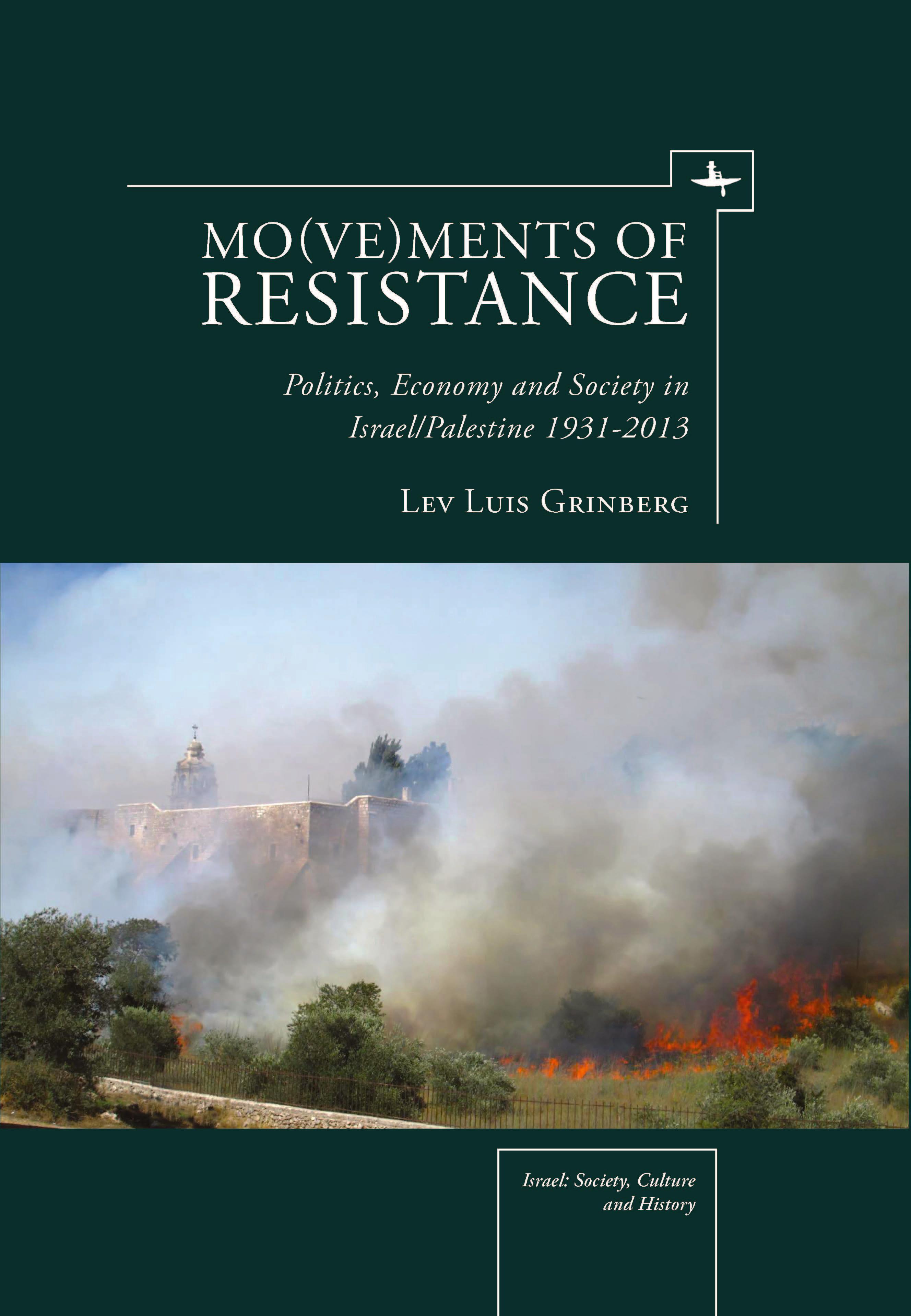
In Mo(ve)ments of Resistance, Grinberg summarizes both his own work and that of other political economists, providing a coherent historical narrative covering the time from the beginning of Socialist Zionism (1904) to the Oslo Accords and the neoliberalization of the economy (1994–1996). The theoretical approach of the book combines eventful sociology, path dependency, and institutional political economy. Grinberg argues that historical political events have been shaped not only by political and economic forces but also by resistance struggles of marginal and weaker social groups: organized workers, Palestinians, and Mizrachi Jews. Major turning points in history, like the Separation War in 1948, the military occupation in 1967, and the Oslo peace process in 1993, are explained in the context of previous social and economic resistance struggles that affected the political outcomes.
Betala smidigt med kort, Klarna, Apple Pay eller Google Pay. Är du inte nöjd har du alltid 14 dagars ångerrätt. Läs mer i våra villkor. Har du några frågor, mejla oss på hello@memmo.org.
Memmo gör det enklare att plugga – var du än är i världen. Hos oss samlar du kursböcker och smarta studieverktyg på ett och samma ställe: sammanfattningar, quiz, poddar och flashcards. Och så Ted, din studiekompis som svarar på allt du undrar. Över 50 000 studenter pluggar redan här – byggt för att du ska lära dig snabbare och stressa mindre.
Du kanske också gillar
Köp boken0