
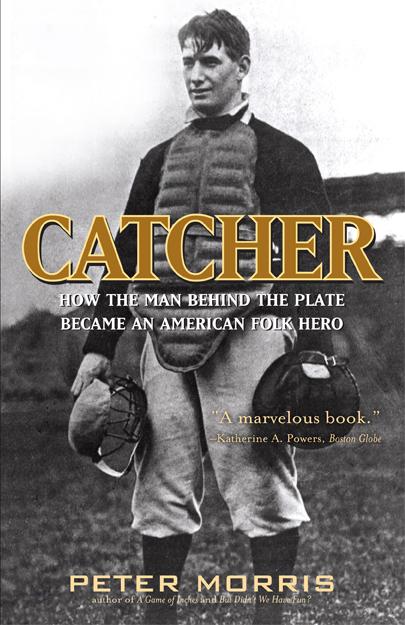
Today the baseball catcher is a familiar but uninspiring figure. Decked out in the so-called tools of ignorance, he stolidly goes about his duty without attracting much attention. But it wasn't always that way, as Peter Morris shows in this lively and original study. In baseball's early days, catchers stood a safe distance behind the batter. Then the introduction of the curveball in the 1870s led them to move up directly behind home plate, even though they still wore no gloves or protective equipment. Extraordinary courage became the catcher's most notable requirement, but the new positioning also demanded that the catcher have lightning-fast reflexes, great hands, and a cannon for a throwing arm.
Betala smidigt med kort, Klarna, Apple Pay eller Google Pay. Är du inte nöjd har du alltid 14 dagars ångerrätt. Läs mer i våra villkor. Har du några frågor, mejla oss på hello@memmo.org.
Memmo gör det enklare att plugga – var du än är i världen. Hos oss samlar du kursböcker och smarta studieverktyg på ett och samma ställe: sammanfattningar, quiz, poddar och flashcards. Och så Ted, din studiekompis som svarar på allt du undrar. Över 50 000 studenter pluggar redan här – byggt för att du ska lära dig snabbare och stressa mindre.