
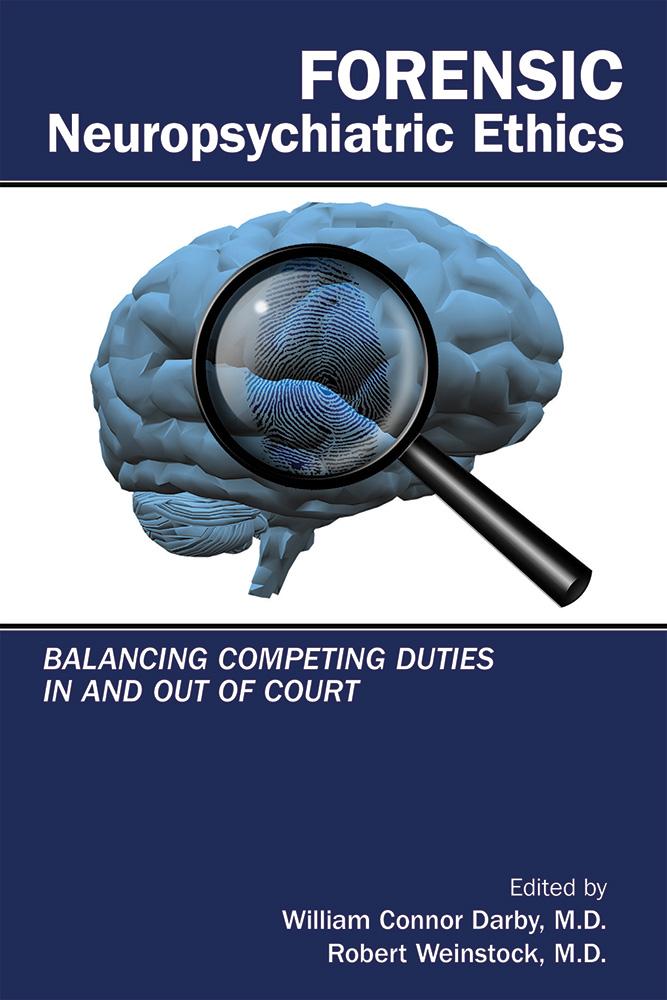
When acting in a forensic role, clinicians—psychiatrists, psychologists, neurologists, and other medical or mental health practitioners—face the intersection of the legal and medical systems. A number of questions arise: Should they prioritize medical values or legal values when providing expert testimony? How do they serve justice, rather than advocating for one side or the other? How can they adequately address cultural and social factors that may influence individuals' actions, as well as structural biases that affect the system itself?
Forensic Neuropsychiatric Ethics provides a pragmatic approach to ethical dilemmas, outlining decision-making skills for problems not addressed by other guidelines. This volume covers
• The history of forensic psychiatric ethics, forensic ethics theories, and approaches to ethical dilemmas• Ethics considerations and applications for forensic work, including how to ethically write reports, testify, and make use of neuroimaging technologies, psychological test results, and violence risk assessments• Hot-button topics, such as physician-assisted death, abortion, Second Amendment rights, capital cases, the "duty to warn" third parties, and involuntary outpatient commitment
With practical guidance in each chapter bolstered by conclusions that reprise the most important information, Forensic Neuropsychiatric Ethics is a pivotal reference for mental health clinicians committed to promoting both justice and respect for individuals while engaging in forensic work.
Betala smidigt med kort, Klarna, Apple Pay eller Google Pay. Är du inte nöjd har du alltid 14 dagars ångerrätt. Läs mer i våra villkor. Har du några frågor, mejla oss på hello@memmo.org.
Memmo gör det enklare att plugga – var du än är i världen. Hos oss samlar du kursböcker och smarta studieverktyg på ett och samma ställe: sammanfattningar, quiz, poddar och flashcards. Och så Ted, din studiekompis som svarar på allt du undrar. Över 50 000 studenter pluggar redan här – byggt för att du ska lära dig snabbare och stressa mindre.