
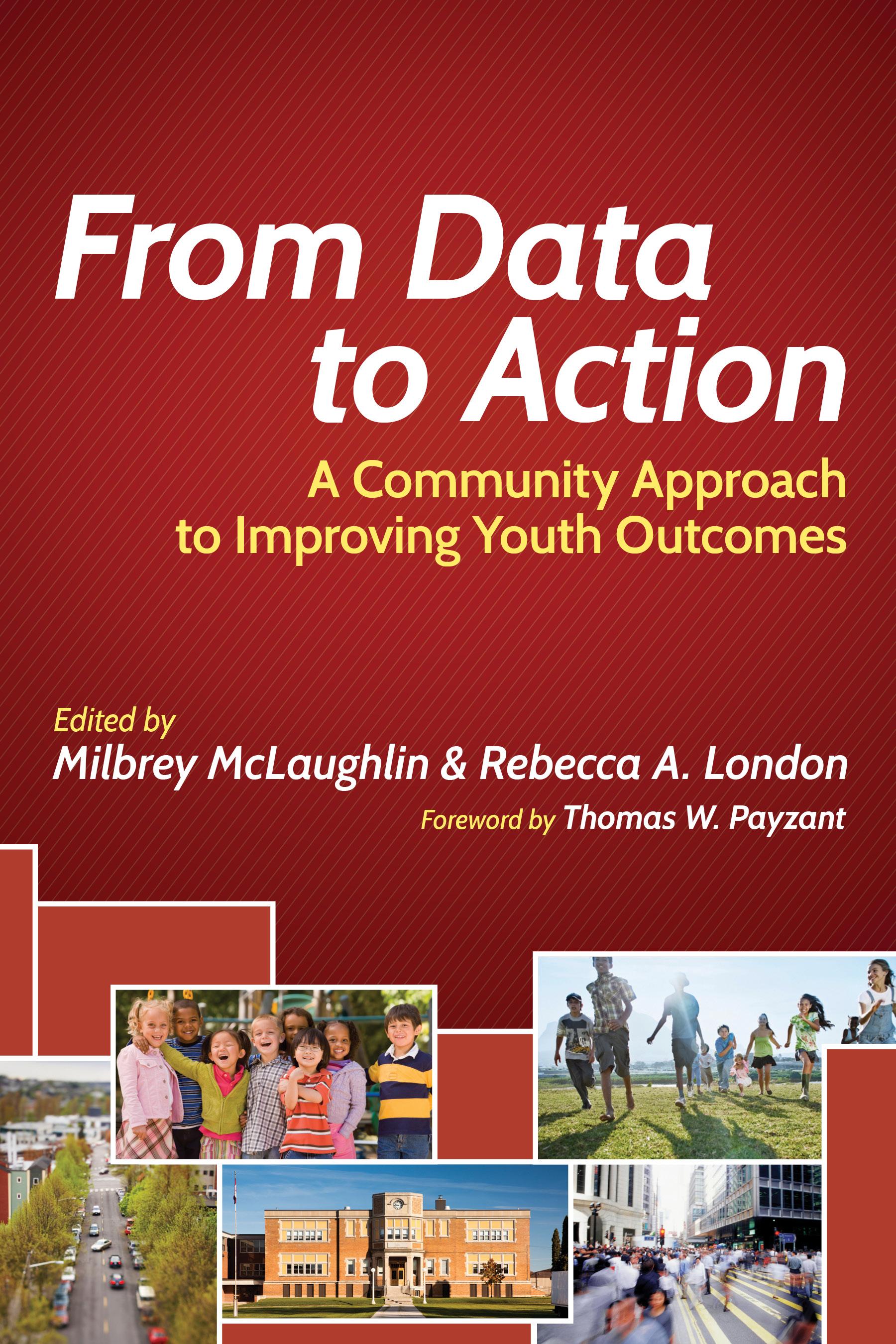
This book is a welcome guide for educators, civic leaders, and researchers looking for ways to leverage data to identify the most effective policies, interventions, and use of resources for their communities.
In the current era of reform, much has been made of the fact that there are many influences that shape children beyond the walls of the schoolhouse. Powerful data “warehouses” have been built to track children and interventions within school bureaucracies and in other social service sectors. Yet these data systems are rarely linked to provide a holistic view of how individual children are faring both in and out of school and which interventions—or combinations thereof—are most promising. Privacy laws and institutional traditions have made such collaborations difficult, if not impossible. Until now.
The Youth Data Archive, based at the John W. Gardner Center for Youth and Their Communities at Stanford University, is an effort to blaze a new path to the productive use of cross-agency data now employed by researchers, school officials, and service providers in San Francisco, San Mateo, Alameda, and Santa Clara counties.
Editors Milbrey McLaughlin and Rebecca A. London, leaders of the Youth Data Archive, bring together participants who describe the initiative and its challenges and successes. The participants also give detailed background on how the archive was built and how it has led to improvements in services, particularly for children at risk. This book is a welcome guide for educators, civic leaders, and researchers looking for ways to leverage data to identify the most effective policies, interventions, and use of resources for their communities.
In the current era of reform, much has been made of the fact that there are many influences that shape children beyond the walls of the schoolhouse. Powerful data “warehouses” have been built to track children and interventions within school bureaucracies and in other social service sectors. Yet these data systems are rarely linked to provide a holistic view of how individual children are faring both in and out of school and which interventions—or combinations thereof—are most promising. Privacy laws and institutional traditions have made such collaborations difficult, if not impossible. Until now.
The Youth Data Archive, based at the John W. Gardner Center for Youth and Their Communities at Stanford University, is an effort to blaze a new path to the productive use of cross-agency data now employed by researchers, school officials, and service providers in San Francisco, San Mateo, Alameda, and Santa Clara counties.
Editors Milbrey McLaughlin and Rebecca A. London, leaders of the Youth Data Archive, bring together participants who describe the initiative and its challenges and successes. The participants also give detailed background on how the archive was built and how it has led to improvements in services, particularly for children at risk. This book is a welcome guide for educators, civic leaders, and researchers looking for ways to leverage data to identify the most effective policies, interventions, and use of resources for their communities.
Betala smidigt med kort, Klarna, Apple Pay eller Google Pay. Är du inte nöjd har du alltid 14 dagars ångerrätt. Läs mer i våra villkor. Har du några frågor, mejla oss på hello@memmo.org.
Memmo gör det enklare att plugga – var du än är i världen. Hos oss samlar du kursböcker och smarta studieverktyg på ett och samma ställe: sammanfattningar, quiz, poddar och flashcards. Och så Ted, din studiekompis som svarar på allt du undrar. Över 50 000 studenter pluggar redan här – byggt för att du ska lära dig snabbare och stressa mindre.
Du kanske också gillar
Köp boken0