
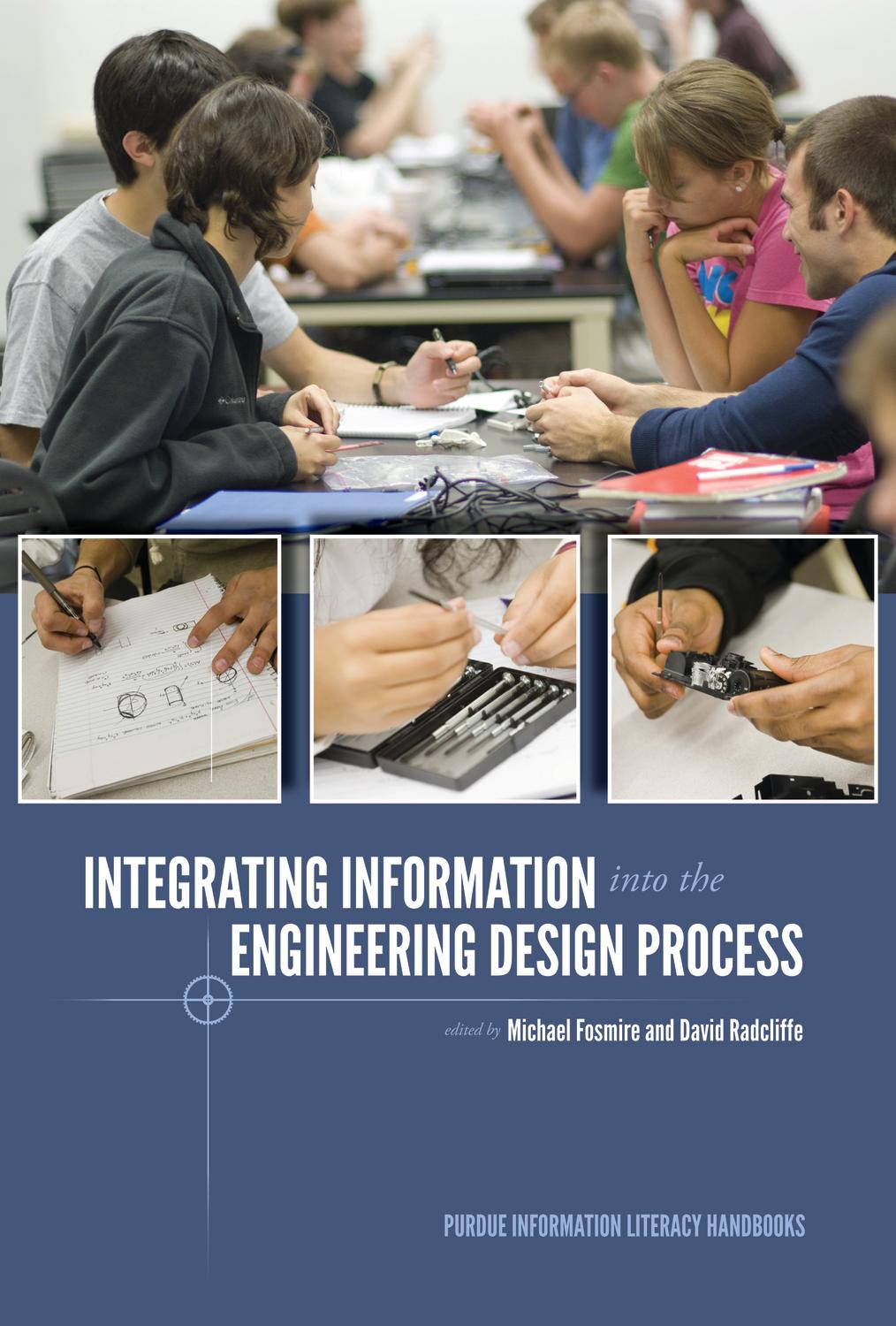
Engineering design is a fundamental problem-solving model used by the discipline. Effective problem-solving requires the ability to find and incorporate quality information sources. To teach courses in this area effectively, educators need to understand the information needs of engineers and engineering students and their information gathering habits. This book provides essential guidance for engineering faculty and librarians wishing to better integrate information competencies into their curricular offerings. The treatment of the subject matter is pragmatic, accessible, and engaging. Rather than focusing on specific resources or interfaces, the book adopts a process-driven approach that outlasts changing information technologies. After several chapters introducing the conceptual underpinnings of the book, a sequence of shorter contributions go into more detail about specific steps in the design process and the information needs for those steps. While they are based on the latest research and theory, the emphasis of the chapters is on usable knowledge. Designed to be accessible, they also include illustrative examples drawn from specific engineering sub-disciplines to show how the core concepts can be applied in those situations. Part 1: Making the Case for Integrated Information in Engineering Design: Information Literary and Lifelong Learning (Michael Fosmire); Multiple Perspectives on Engineering Design (David Radcliffe); Ways that Engineers Use Design Information (Michael Fosmire); Ethical Information Use and Engineering (Megan Sapp Nelson); Information-Rich Engineering Design: A Model (David Radcliffe). Part 2: Pedagogical Advice on How to Implement in Courses: Build a Firm Foundation: Managing Project Information Effectively and Efficiently (Jon Jeffryes); Find the Real Need: Understanding the Task (Megan Sapp Nelson); Scout the Lay of the Land: Exploring the Broader Context of a Project (Amy Van Epps and Monica Cardella); Draw on Existing Knowledge: Taking Advantage of What is Already Known (Jim Clarke); Make Dependable Decisions: Using Trustworthy Information Wisely (Jeremy Garritano); Make It Real: Finding the Most Suitable Materials and Components (Jay Bhatt); Make It Safe and Legal: Meeting Standards, Codes, and Regulations (Bonnie Osif); Get Your Message Across: The Art of Sharing Information (Patrice Buzzanell and Carla Zoltowski); Reflect and Learn: Extracting New Design and Process Knowledge (David Radcliffe); Preparing Students to be Informed Designers: Assessing and Scaffolding Information Literacy (Senay Purzer and Ruth Wertz).
Betala smidigt med kort, Klarna, Apple Pay eller Google Pay. Är du inte nöjd har du alltid 14 dagars ångerrätt. Läs mer i våra villkor. Har du några frågor, mejla oss på hello@memmo.org.
Memmo gör det enklare att plugga – var du än är i världen. Hos oss samlar du kursböcker och smarta studieverktyg på ett och samma ställe: sammanfattningar, quiz, poddar och flashcards. Och så Ted, din studiekompis som svarar på allt du undrar. Över 50 000 studenter pluggar redan här – byggt för att du ska lära dig snabbare och stressa mindre.
Du kanske också gillar
Köp boken0