
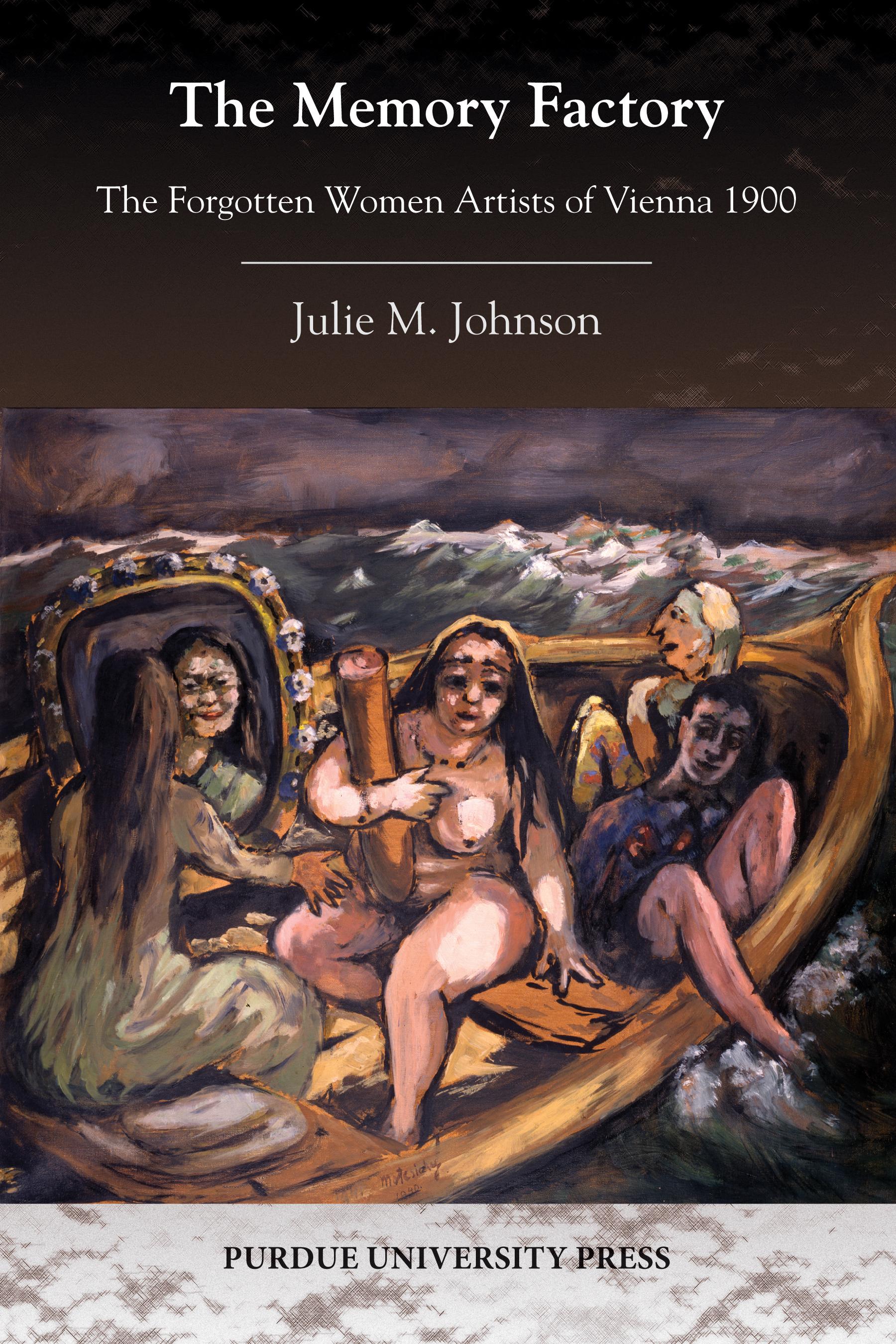
The Memory Factory introduces an English-speaking public to the significant women artists of Vienna at the turn of the twentieth century, each chosen for her aesthetic innovations and participation in public exhibitions. These women played important public roles as exhibiting artists, both individually and in collectives, but this history has been silenced over time. Their stories show that the city of Vienna was contradictory and cosmopolitan: despite men-only policies in its main art institutions, it offered a myriad of unexpected ways for women artists to forge successful public careers. Women artists came from the provinces, Russia, and Germany to participate in its vibrant art scene. However, and especially because so many of the artists were Jewish, their contributions were actively obscured beginning in the late 1930s. Many had to flee Austria, losing their studios and lifework in the process. Some were killed in concentration camps. Along with the stories of individual women artists, the author reconstructs the history of separate women artists' associations and their exhibitions. Chapters covering the careers of Tina Blau, Elena Luksch-Makowsky, Bronica Koller, Helene Funke, and Teresa Ries (among others) point to a more integrated and cosmopolitan art world than previously thought; one where women became part of the avant-garde, accepted and even highlighted in major exhibitions at the Secession and with the Klimt group.
Betala smidigt med kort, Klarna, Apple Pay eller Google Pay. Är du inte nöjd har du alltid 14 dagars ångerrätt. Läs mer i våra villkor. Har du några frågor, mejla oss på hello@memmo.org.
Memmo gör det enklare att plugga – var du än är i världen. Hos oss samlar du kursböcker och smarta studieverktyg på ett och samma ställe: sammanfattningar, quiz, poddar och flashcards. Och så Ted, din studiekompis som svarar på allt du undrar. Över 50 000 studenter pluggar redan här – byggt för att du ska lära dig snabbare och stressa mindre.
Du kanske också gillar
Köp boken0