
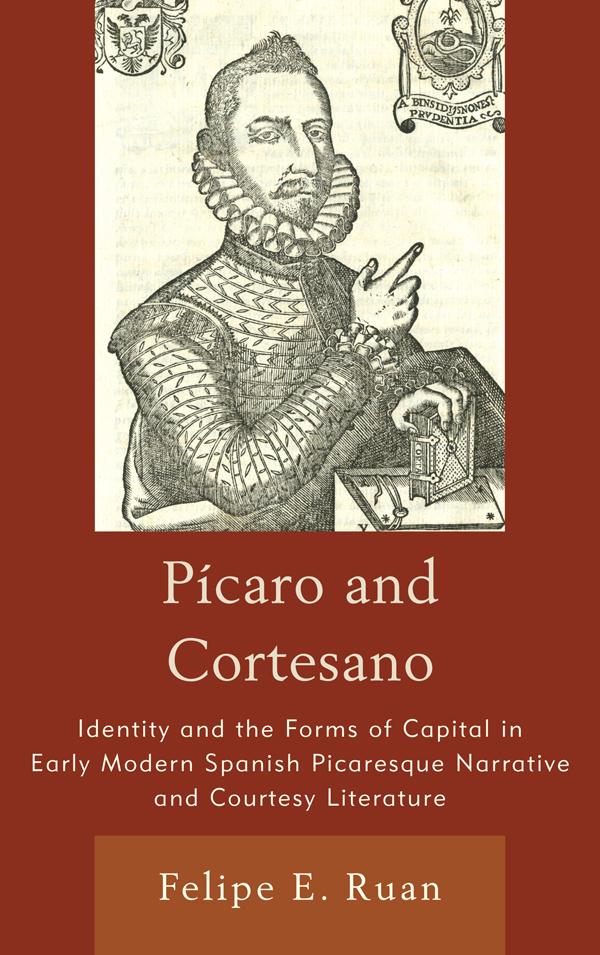
In this book on the relationship between pícaro and cortesano, Felipe E. Ruan argues that these two cultural figures are linked by a shared form of deportment centered on prudent self-accommodation. This behavior is generated and governed by a courtly ethos or habitus that emerges as the result of the growth and influence of the court in Madrid. Ruan posits that both pícaro and cortesano, and their respective books, conduct manual and picaresque narrative, tacitly engage questions of identity and individualism by highlighting the valued resources or forms of capital that come to fashion and sustain self-identity. He places the books of the pícaro and cortesano within the larger polemic of early modern identity and individualism, and offers an account of the individual as agent whose actions are grounded on objective social relations, without those actions being simply the result of mechanistic adherence to the social order.
Betala smidigt med kort, Klarna, Apple Pay eller Google Pay. Är du inte nöjd har du alltid 14 dagars ångerrätt. Läs mer i våra villkor. Har du några frågor, mejla oss på hello@memmo.org.
Memmo gör det enklare att plugga – var du än är i världen. Hos oss samlar du kursböcker och smarta studieverktyg på ett och samma ställe: sammanfattningar, quiz, poddar och flashcards. Och så Ted, din studiekompis som svarar på allt du undrar. Över 50 000 studenter pluggar redan här – byggt för att du ska lära dig snabbare och stressa mindre.