
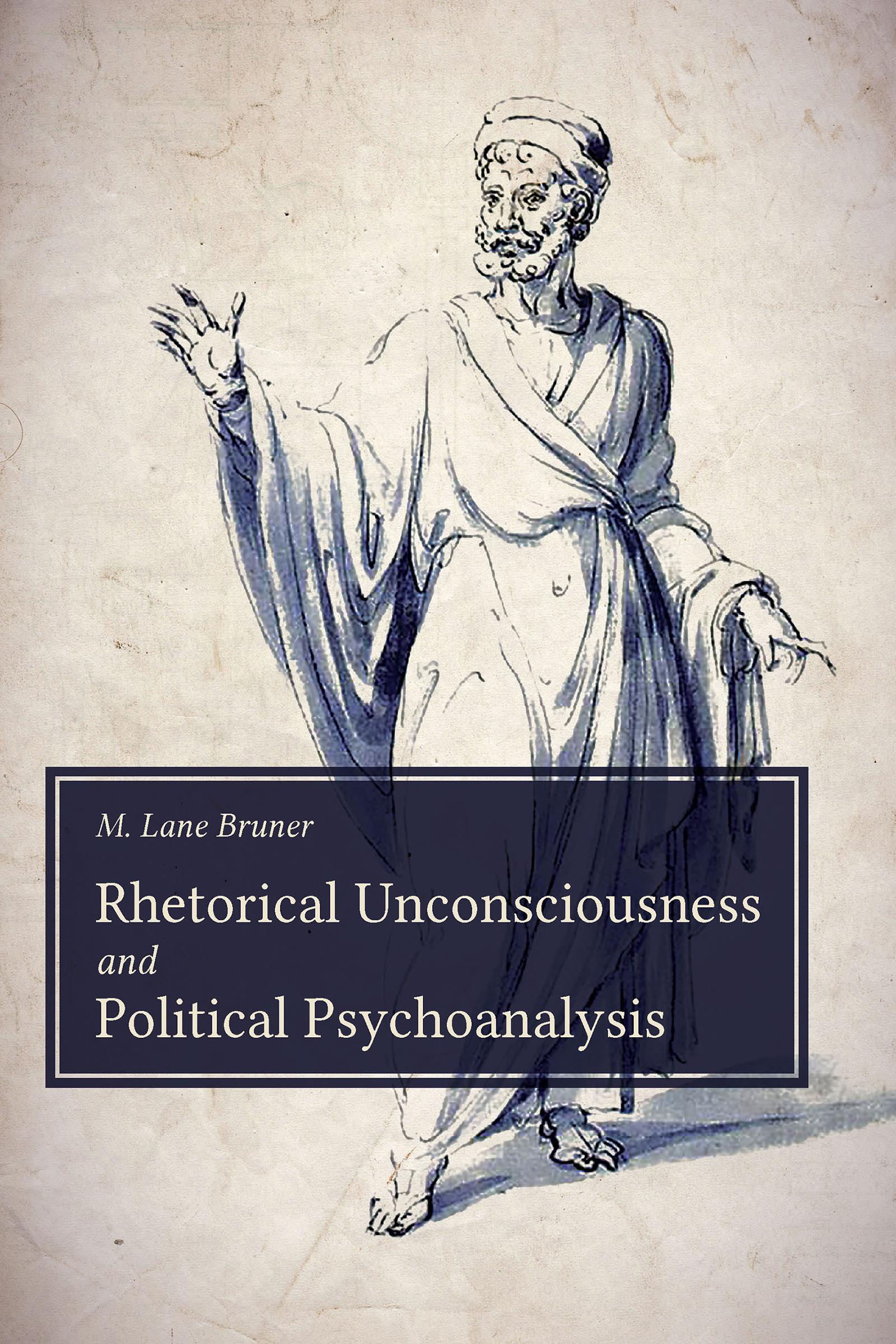
Case studies exploring the roots of persuasion and rhetorical unconsciousness
Rhetorical Unconsciousness and Political Psychoanalysis investigates unintentional forms of persuasion, their political consequences, and our ethical relation to the same. M. Lane Bruner argues that the unintentional ways we are persuaded are far more important than intentional persuasion; in fact all intentional persuasion is built on the foundations of rhetorical unconsciousness, whether we are persuaded through ignorance (the unsayable), unconscious symbolic processes (the unspoken), or productive repression (the unspeakable).
Bruner brings together a wide range of theoretical approaches to unintentional persuasion, establishing the locations of such persuasion and providing examples taken from the Western European transition from feudalism to capitalism. To be more specific, phenomena related to artificial personhood and the commodity self have led to transformations in material culture from architecture to theater, showing how rhetorical unconsciousness works to create symptoms. Bruner then examines ethical considerations, the relationships among language in use, unconsciousness, and the seemingly irrational aspects of cultural and political history.
Betala smidigt med kort, Klarna, Apple Pay eller Google Pay. Är du inte nöjd har du alltid 14 dagars ångerrätt. Läs mer i våra villkor. Har du några frågor, mejla oss på hello@memmo.org.
Memmo gör det enklare att plugga – var du än är i världen. Hos oss samlar du kursböcker och smarta studieverktyg på ett och samma ställe: sammanfattningar, quiz, poddar och flashcards. Och så Ted, din studiekompis som svarar på allt du undrar. Över 50 000 studenter pluggar redan här – byggt för att du ska lära dig snabbare och stressa mindre.