
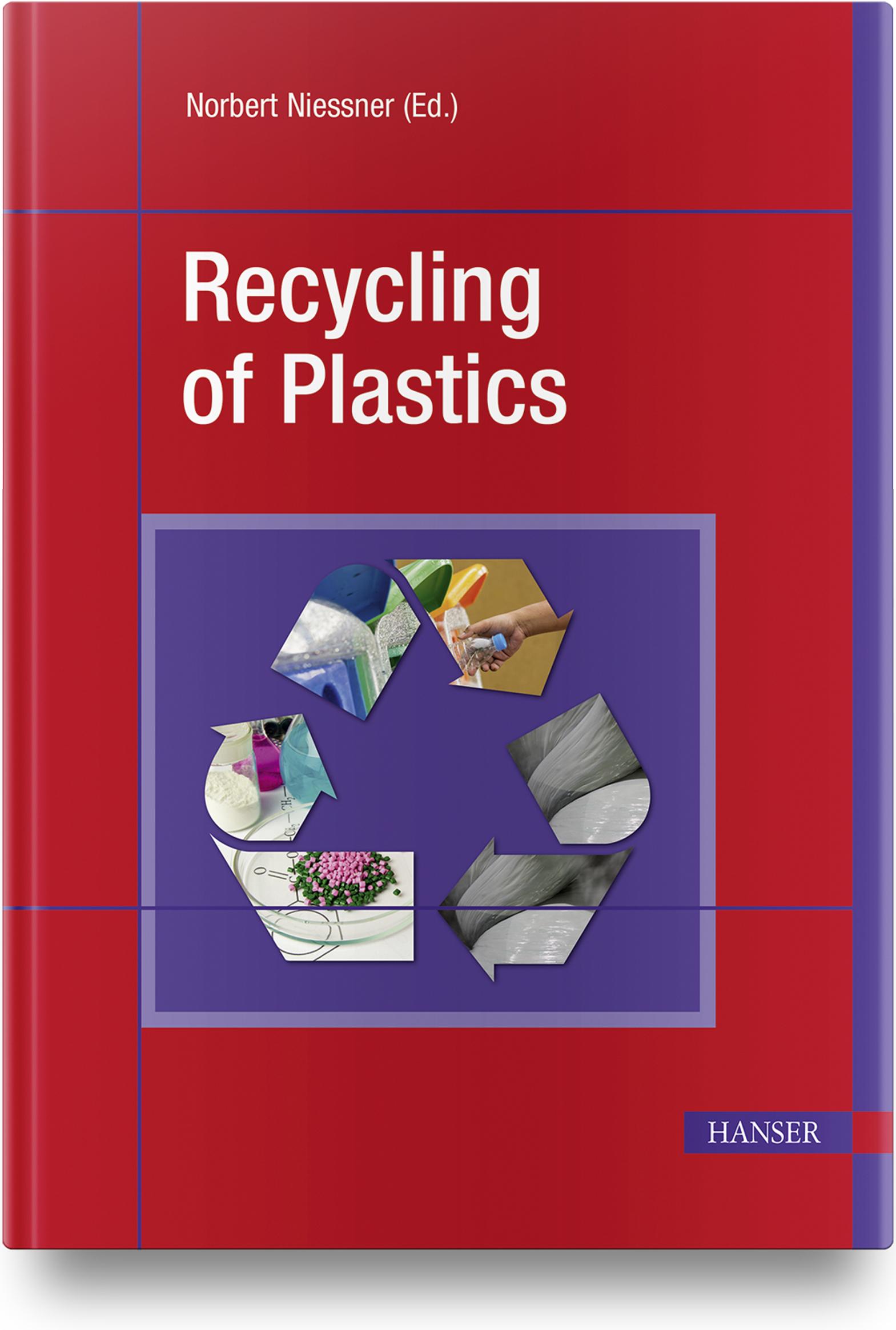
Plastics have a very important role to play in energy-efficient and low-carbon technologies of the present and future, but for them to be classified as sustainable materials, there is a great need for practical and economic recycling methods and infrastructure. This book fills the gap for a modern comprehensive technical guide to recycling of plastics, covering the whole value chain from raw materials to recycled materials.
All important recycling technologies (mechanical, chemical/feedstock, dissolution) are discussed and compared to each other and alternative disposal methods such as energy recovery and gasification. Collecting, sorting, and purification methods are also covered, as are economic, legal, and political aspects.
A strong emphasis is placed on data comparability, e.g. by standardized methods in measuring data. Although this is a challenge to implement, comparing data across technologies, regions, and stakeholders along the value chain yields important benefits. Key instruments for such a target are lifecycle assessments (LCAs), which are calculated in a standard way across the chapters to “calibrate“ the messages among the numerous expert co-authors.
Betala smidigt med kort, Klarna, Apple Pay eller Google Pay. Är du inte nöjd har du alltid 14 dagars ångerrätt. Läs mer i våra villkor. Har du några frågor, mejla oss på hello@memmo.org.
Memmo gör det enklare att plugga – var du än är i världen. Hos oss samlar du kursböcker och smarta studieverktyg på ett och samma ställe: sammanfattningar, quiz, poddar och flashcards. Och så Ted, din studiekompis som svarar på allt du undrar. Över 50 000 studenter pluggar redan här – byggt för att du ska lära dig snabbare och stressa mindre.