
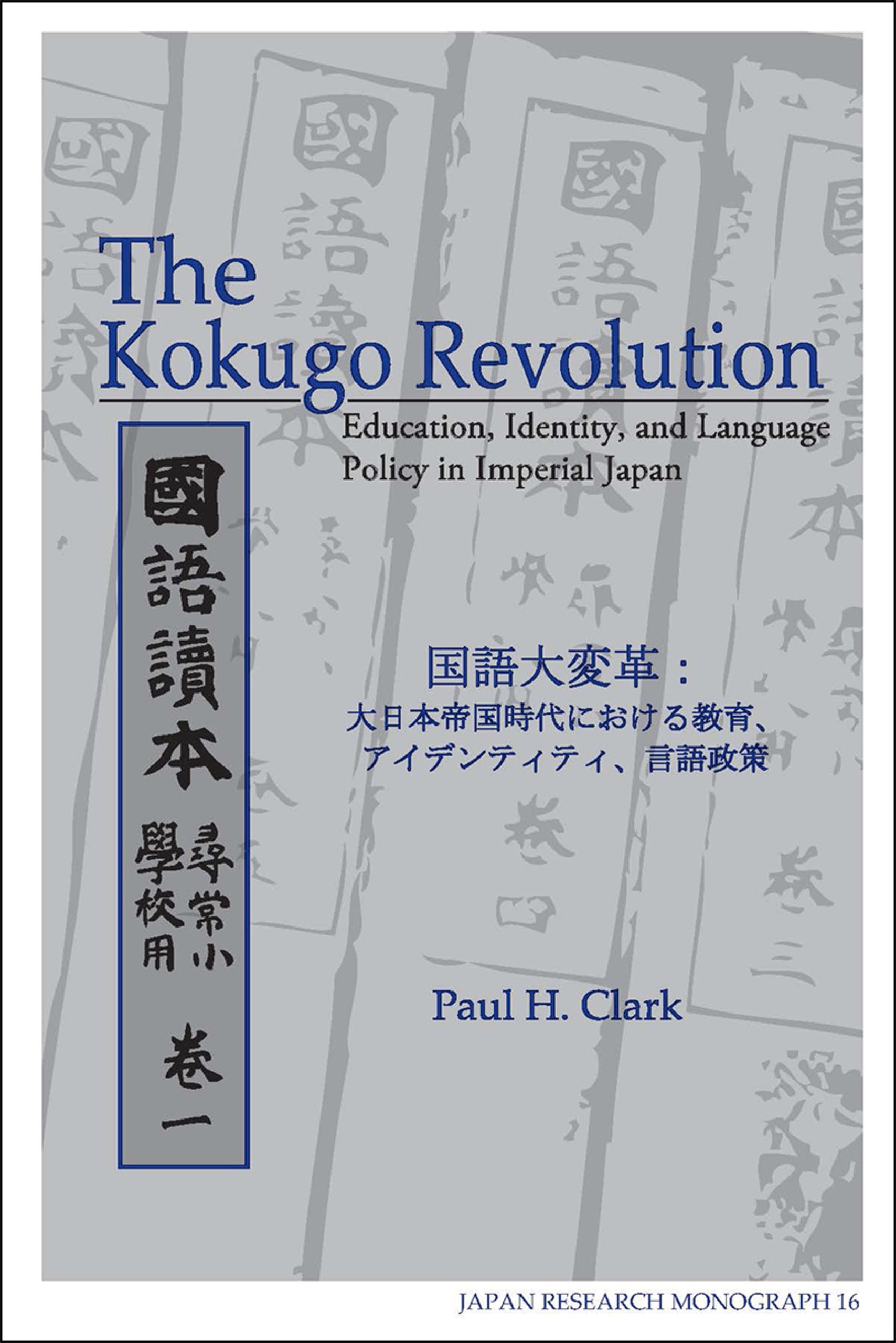
Through a study of the development of the Japanese national language, Paul H. Clark discusses reforms in the education system and the creation of a modern cultural identity in the Meiji era and beyond. The book begins with the varied early forms of spoken and written Japanese and goes on to explain how the colloquial version was promoted, especially by Ueda Kazutoshi, and became kokugo. It also demonstrates how language was used as a tool for social control and a means through which a greater sense of national unity was created as Japan careened toward total war with Asia. Source materials include interviews in addition to publications such as journals, books, newspapers, the official government gazette, and textbooks.
Betala smidigt med kort, Klarna, Apple Pay eller Google Pay. Är du inte nöjd har du alltid 14 dagars ångerrätt. Läs mer i våra villkor. Har du några frågor, mejla oss på hello@memmo.org.
Memmo gör det enklare att plugga – var du än är i världen. Hos oss samlar du kursböcker och smarta studieverktyg på ett och samma ställe: sammanfattningar, quiz, poddar och flashcards. Och så Ted, din studiekompis som svarar på allt du undrar. Över 50 000 studenter pluggar redan här – byggt för att du ska lära dig snabbare och stressa mindre.
Du kanske också gillar
Köp boken0