
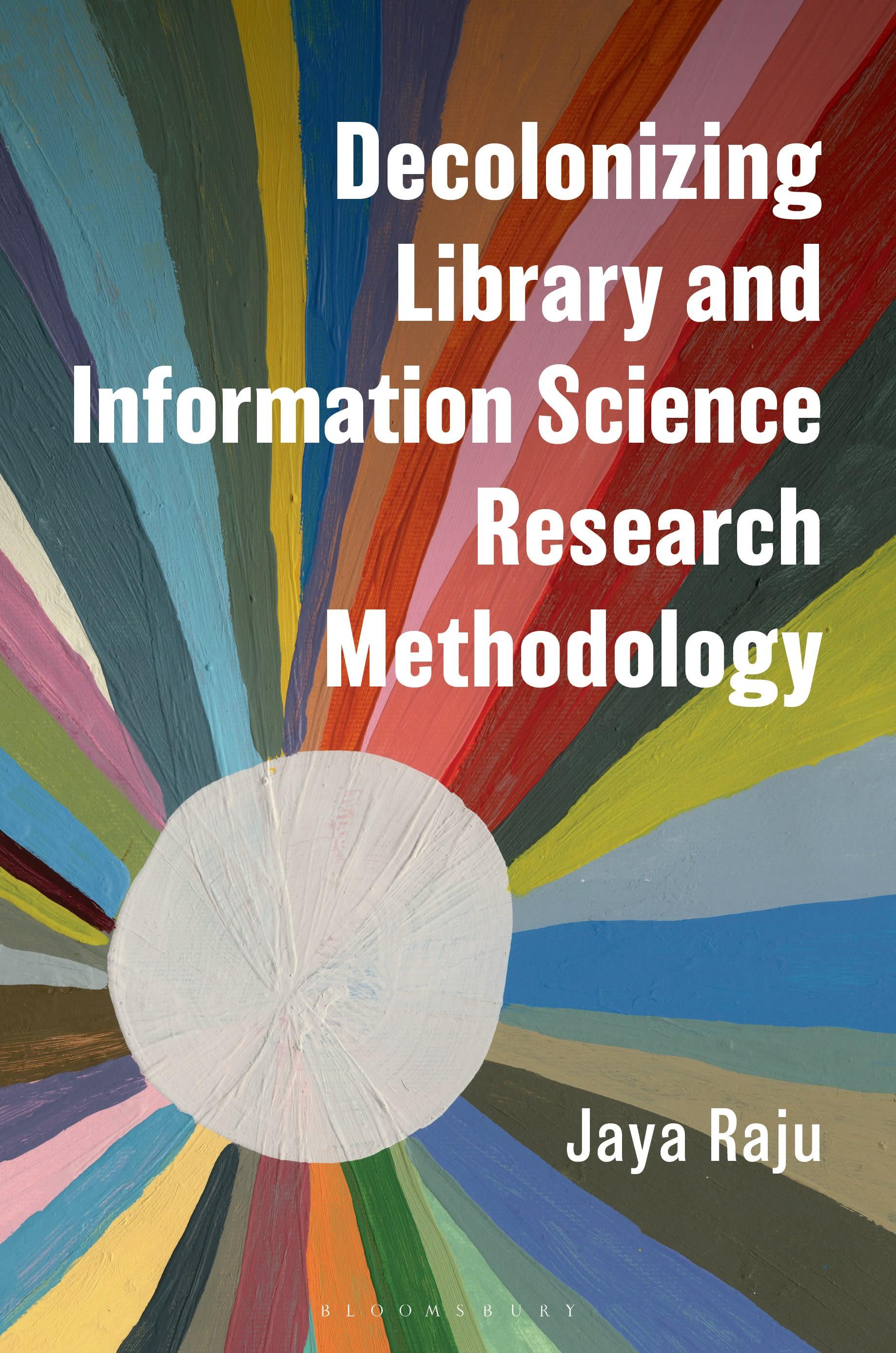
Engage decolonial perspectives in LIS research methodology.
“Information” as conceptualized in the discipline of Library and Information Science (LIS) is not neutral. Library and information services increasingly, in the current digital information age, engage historical, cultural, social, economic, and political forces that interact with information. Such forces may use information to advance dominant epistemic agendas; hence there is a need for LIS researchers, students, practitioners, and other relevant stakeholders to critically interrogate and disrupt these forces in their curation of information for use in research, practice, theory development, policy application, etc.
This book engages decolonial perspectives in LIS research methodology for a transformative and critically reflexive approach to research that is community-based, culturally responsive and impactful for Indigenous and other historically marginalized communities. It positions decolonization as rejecting the privileging in scholarship of dominant western knowledge systems and intellectual traditions. Instead, it calls for the centering of perspectives, insights, and knowledges of Indigenous and other marginalized societies so that research may be inclusive of all knowledge systems, respectful of the researched, and of different ways of knowing embedded in the worldviews of others.
“Information” as conceptualized in the discipline of Library and Information Science (LIS) is not neutral. Library and information services increasingly, in the current digital information age, engage historical, cultural, social, economic, and political forces that interact with information. Such forces may use information to advance dominant epistemic agendas; hence there is a need for LIS researchers, students, practitioners, and other relevant stakeholders to critically interrogate and disrupt these forces in their curation of information for use in research, practice, theory development, policy application, etc.
This book engages decolonial perspectives in LIS research methodology for a transformative and critically reflexive approach to research that is community-based, culturally responsive and impactful for Indigenous and other historically marginalized communities. It positions decolonization as rejecting the privileging in scholarship of dominant western knowledge systems and intellectual traditions. Instead, it calls for the centering of perspectives, insights, and knowledges of Indigenous and other marginalized societies so that research may be inclusive of all knowledge systems, respectful of the researched, and of different ways of knowing embedded in the worldviews of others.
Sidor: 260
Kategori: Vetenskapsteori och forskningsmetod
e-ISBN: 9781538187494
Fraktvikt: 1.2 kg
Skickas inom: 1-2 dagar
Betala smidigt med kort, Klarna, Apple Pay eller Google Pay. Är du inte nöjd har du alltid 14 dagars ångerrätt. Läs mer i våra villkor. Har du några frågor, mejla oss på hello@memmo.org.
Memmo gör det enklare att plugga – var du än är i världen. Hos oss samlar du kursböcker och smarta studieverktyg på ett och samma ställe: sammanfattningar, quiz, poddar och flashcards. Och så Ted, din studiekompis som svarar på allt du undrar. Över 50 000 studenter pluggar redan här – byggt för att du ska lära dig snabbare och stressa mindre.