
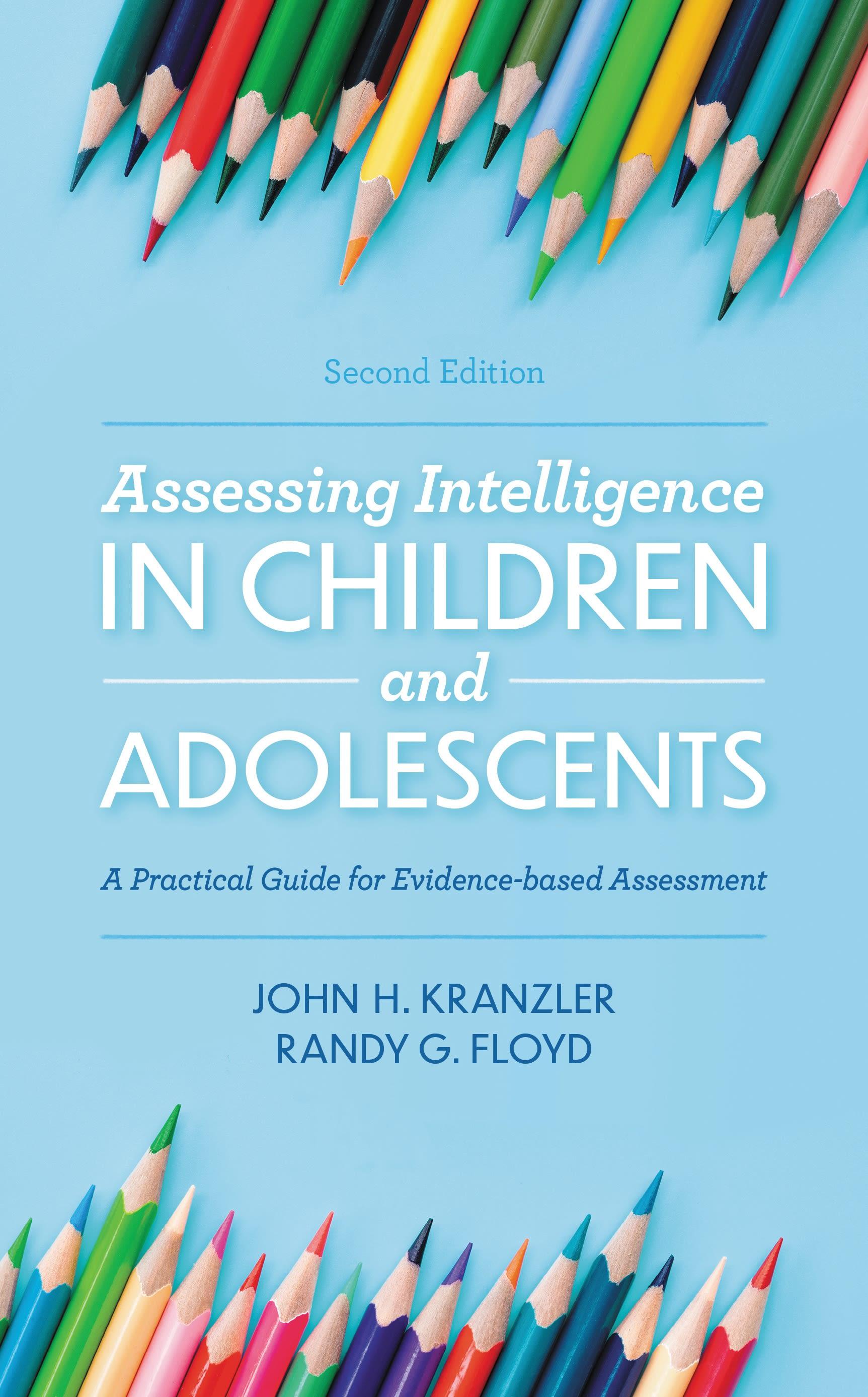
This practical guide to the intellectual assessment of children and adolescents in schools is widely used, both by practicing school psychologists and by instructors and students in graduate school psychology programs. This second edition includes evidence-based best practices for the use and interpretation of intelligence tests in decision-making by counselors, teachers, administrators, and other school personnel. While the assessment of intelligence has long been mandated by law for eligibility determination for special education and related services, there is widespread disagreement about the use and interpretation of intelligence tests. This is the only intellectual assessment book to address this issue by critically reviewing the scientific evidence regarding the critical role played by intelligence tests in the schools for the determination of eligibility for special education and related services, alongside the plethora of practical information.
New to this edition:
New chapter that reviews the methodology used in research on interventions that target cognitive abilities, and the results of that research, as well as literature on aptitude-by-treatment interactions in the cognitive domainNew chapter on the WISC-V, its history, and an in-depth description of its organization, materials, and scores, for both the traditional administration format and the new Q-interactive formatNew section titled, “Where in the Brain is Intelligence?” as well as expanded discussions of contemporary training programs designed to increase intelligenceRevised Screening Tool for Assessment forms to address English language proficiency and acculturationUpdated entries for four intelligence tests and added an entry for the Detroit Test of Learning Abilities, Fifth Edition (Hammill, McGhee, & Ehrler, 2018).Added sections focused on test accommodations and behavior management during testingRecommendations for incorporating emergent assessment technology (e.g., tablet-based test administration).New content addressing different styles of reports as well as a summary of new recommendations from the recently published Publication Manual of the American Psychological Association, Seventh Edition (2019).Review of the most recent ethical guidelines from the American Psychological Association and the National Association of School Psychologists
New to this edition:
New chapter that reviews the methodology used in research on interventions that target cognitive abilities, and the results of that research, as well as literature on aptitude-by-treatment interactions in the cognitive domainNew chapter on the WISC-V, its history, and an in-depth description of its organization, materials, and scores, for both the traditional administration format and the new Q-interactive formatNew section titled, “Where in the Brain is Intelligence?” as well as expanded discussions of contemporary training programs designed to increase intelligenceRevised Screening Tool for Assessment forms to address English language proficiency and acculturationUpdated entries for four intelligence tests and added an entry for the Detroit Test of Learning Abilities, Fifth Edition (Hammill, McGhee, & Ehrler, 2018).Added sections focused on test accommodations and behavior management during testingRecommendations for incorporating emergent assessment technology (e.g., tablet-based test administration).New content addressing different styles of reports as well as a summary of new recommendations from the recently published Publication Manual of the American Psychological Association, Seventh Edition (2019).Review of the most recent ethical guidelines from the American Psychological Association and the National Association of School Psychologists
Betala smidigt med kort, Klarna, Apple Pay eller Google Pay. Är du inte nöjd har du alltid 14 dagars ångerrätt. Läs mer i våra villkor. Har du några frågor, mejla oss på hello@memmo.org.
Memmo gör det enklare att plugga – var du än är i världen. Hos oss samlar du kursböcker och smarta studieverktyg på ett och samma ställe: sammanfattningar, quiz, poddar och flashcards. Och så Ted, din studiekompis som svarar på allt du undrar. Över 50 000 studenter pluggar redan här – byggt för att du ska lära dig snabbare och stressa mindre.