
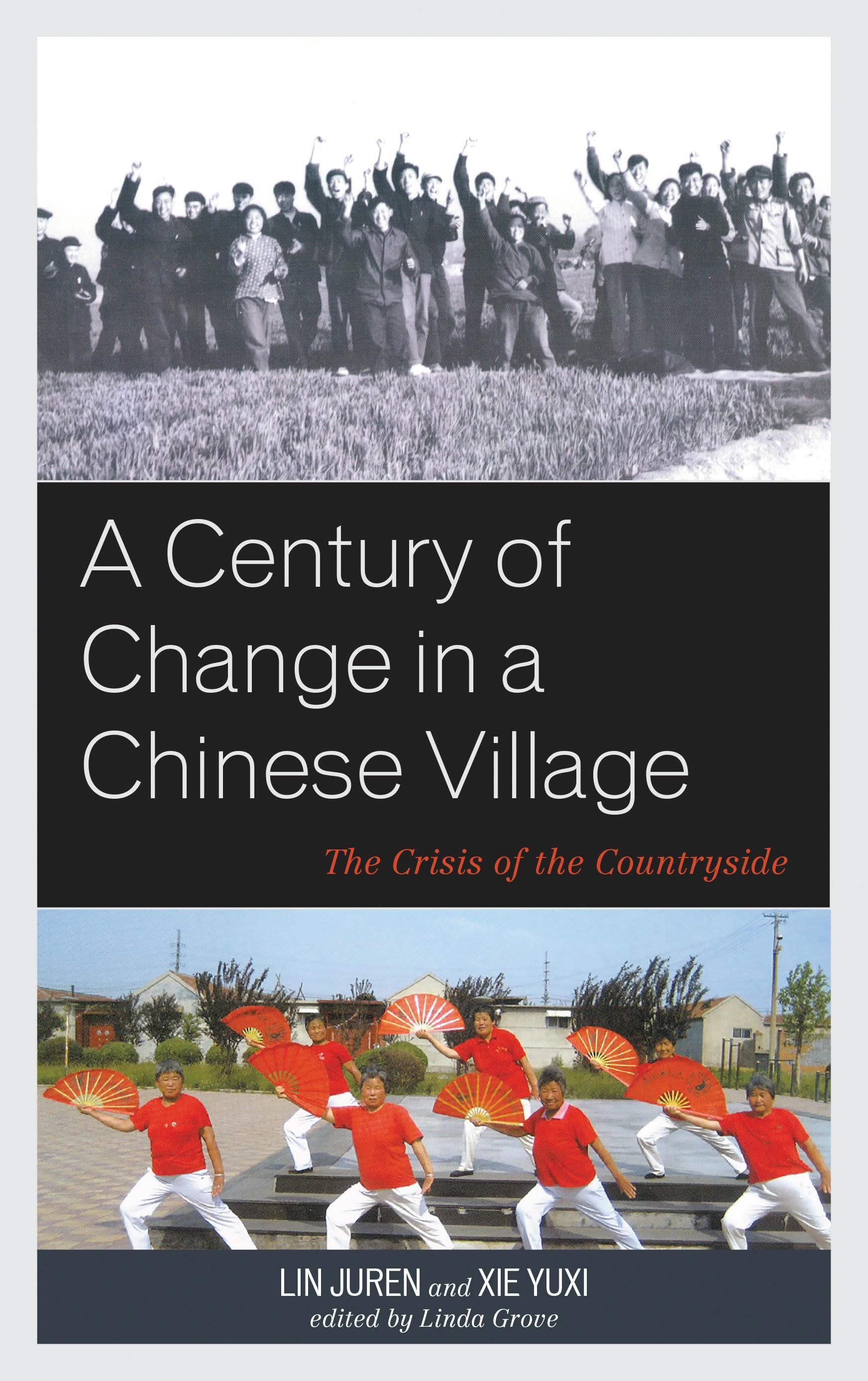
Over the last half century, China has evolved from a poor rural country to a geopolitical powerhouse. Rapid urbanization has been at the heart of that transformation, and as migrant laborers have left their villages, what has become of the rural communities that were once the center of economic, social, and cultural life? And how do contemporary Chinese scholars understand those changes? These are the questions that this compelling book answers. Lengshuigou village, located near the Shandong provincial capital of Jinan, was first studied by Japanese social scientists in the early 1940s and then again in the 1980s and 1990s. Building on these rich surveys, this book traces changes from the early twentieth century to the present day in family and lineage, social stratification, personal networks, annual and life cycle rituals, village politics, and elite formation. Drawing on their own large-scale survey of contemporary village households, the authors analyze the physical and institutional changes that have altered the community, as well as the shifts in interpersonal relations and attitudes that have upended centuries-old systems of patriarchy and generational order. This important book presents, for the first time in English, analysis by Chinese sociologists on the radical transformation of Chinese rural society.
Betala smidigt med kort, Klarna, Apple Pay eller Google Pay. Är du inte nöjd har du alltid 14 dagars ångerrätt. Läs mer i våra villkor. Har du några frågor, mejla oss på hello@memmo.org.
Memmo gör det enklare att plugga – var du än är i världen. Hos oss samlar du kursböcker och smarta studieverktyg på ett och samma ställe: sammanfattningar, quiz, poddar och flashcards. Och så Ted, din studiekompis som svarar på allt du undrar. Över 50 000 studenter pluggar redan här – byggt för att du ska lära dig snabbare och stressa mindre.