
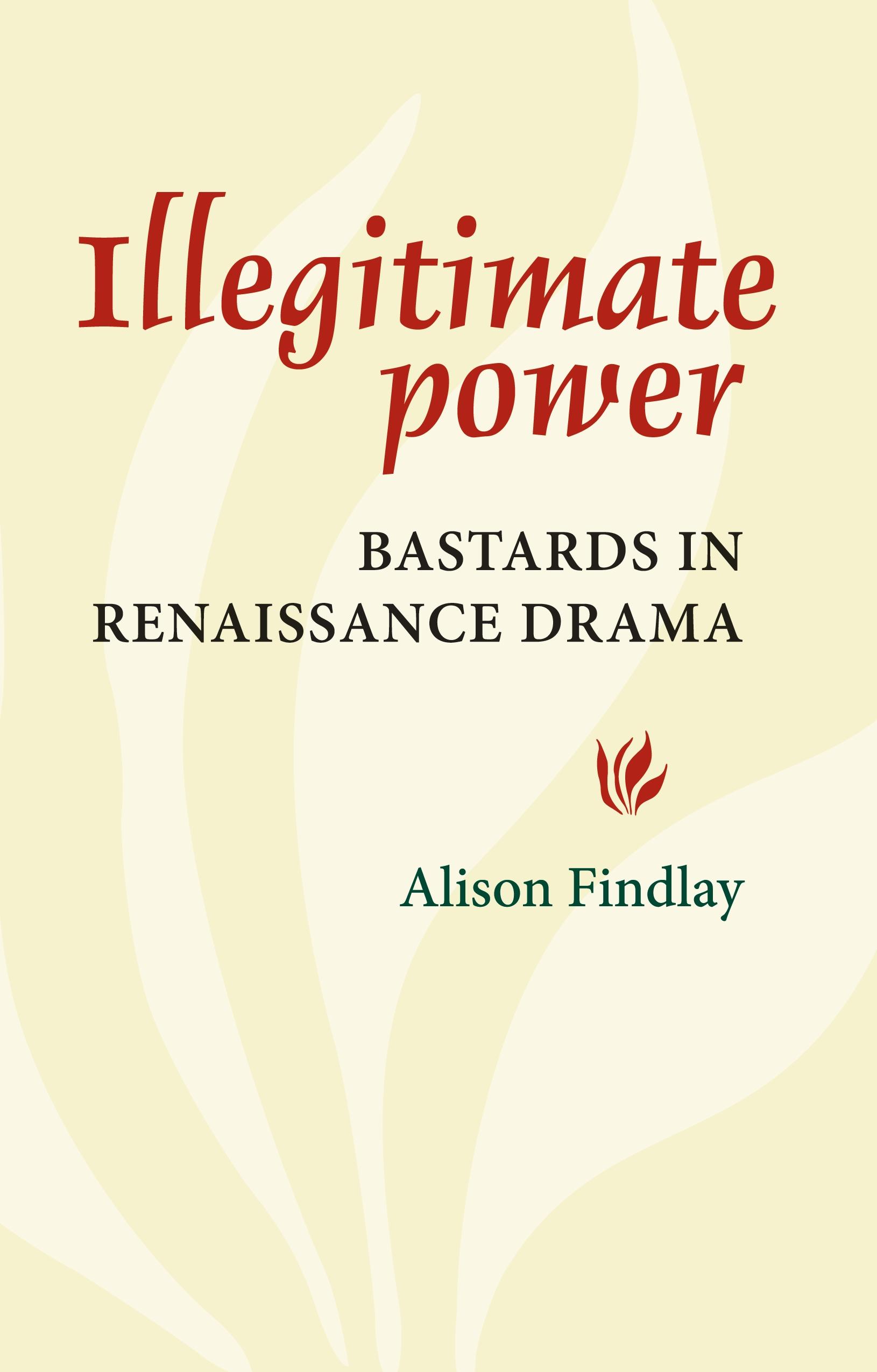
In Renaissance Drama, the bastard is an extraordinarily powerful and disruptive figure. We have only to think of Caliban or of Edmund to realise the challenge presented by the illegitimate child.
Drawing on a wide rage of play texts, Alison Findlay shows how illegitimacy encoded and threatened to deconstruct some of the basic tenets of patriarchal rule. She considers bastards as indicators and instigators of crises in early modern England, reading them in relation to witch craft, spiritual insecurities and social unrest in family and State.
The characters discussed range from demi-devils, unnatural villains and clowns to outstanding heroic or virtuous types who challenge officially sanctioned ideas of illegitimacy. The final chapter of the book considers bastards in performance; their relationship with theatre spaces and audiences. Illegitimate voices, Findlay argues, can bring about the death of the author/father and open the text as a piece of theatre, challenging accepted notions of authority.
Betala smidigt med kort, Klarna, Apple Pay eller Google Pay. Är du inte nöjd har du alltid 14 dagars ångerrätt. Läs mer i våra villkor. Har du några frågor, mejla oss på hello@memmo.org.
Memmo gör det enklare att plugga – var du än är i världen. Hos oss samlar du kursböcker och smarta studieverktyg på ett och samma ställe: sammanfattningar, quiz, poddar och flashcards. Och så Ted, din studiekompis som svarar på allt du undrar. Över 50 000 studenter pluggar redan här – byggt för att du ska lära dig snabbare och stressa mindre.