
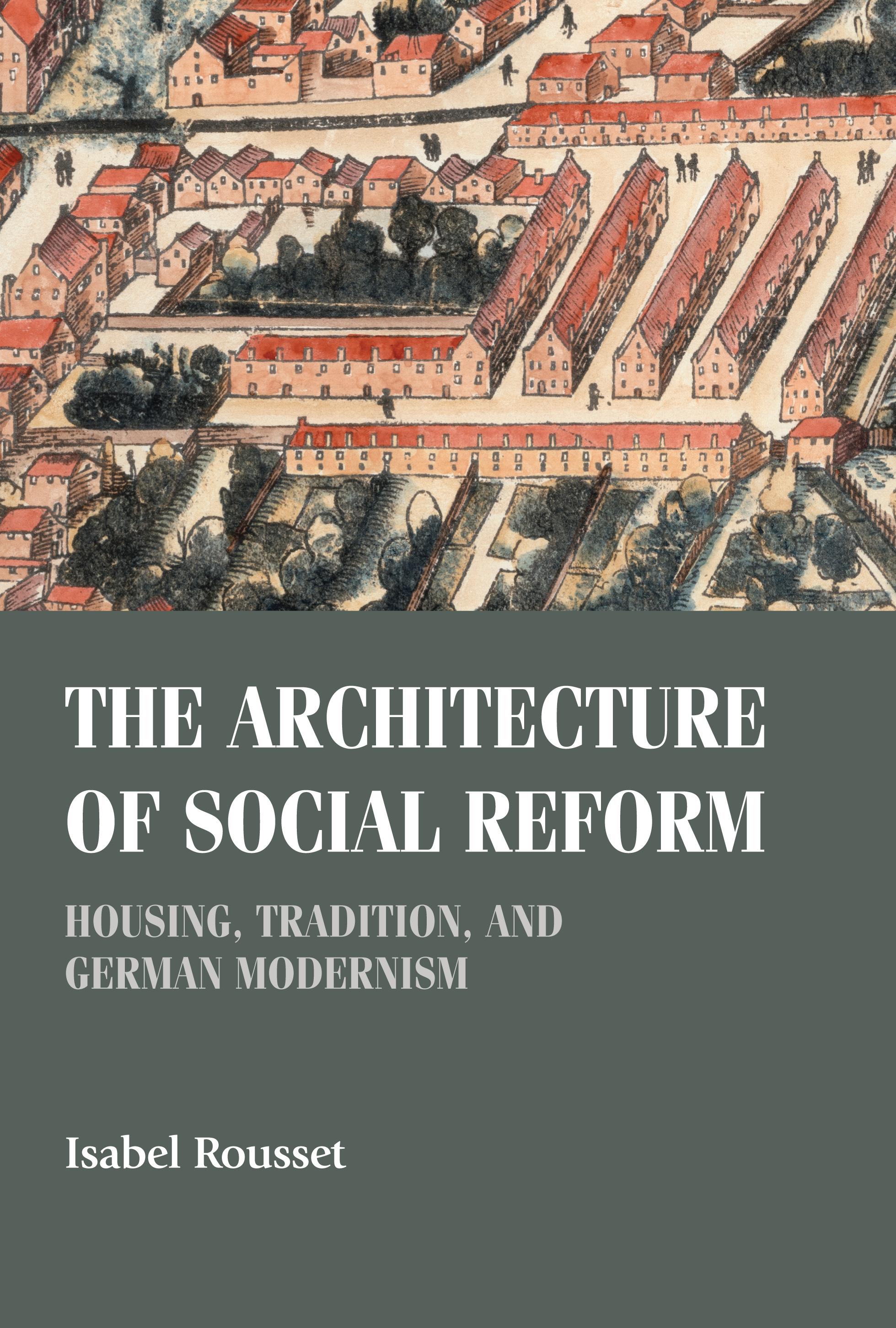
The architecture of social reform explores the fascinating intellectual origins of modern architecture’s obsession with domesticity. Copiously illustrated, Rousset’s revealing analysis demonstrates how questions over aesthetics, style, urbanization, and technology that gripped the modernist imagination were deeply ingrained in a larger concern to reform society through housing. The increasing demand for new housing in Germany’s rapidly growing cities fostered critical exchanges between a heterogeneous group of actors, including architects, urban theorists, planners, and social scientists, who called for society to be freed from class antagonism through the provision of good, modest, traditionally-minded domestic design. Offering a compelling account of architecture’s ability to act socially, the book provocatively argues that architectural theory underwent its most critical epistemological transformation in relation to the dynamics of modern class politics long before the arrival of the avant-garde.
Betala smidigt med kort, Klarna, Apple Pay eller Google Pay. Är du inte nöjd har du alltid 14 dagars ångerrätt. Läs mer i våra villkor. Har du några frågor, mejla oss på hello@memmo.org.
Memmo gör det enklare att plugga – var du än är i världen. Hos oss samlar du kursböcker och smarta studieverktyg på ett och samma ställe: sammanfattningar, quiz, poddar och flashcards. Och så Ted, din studiekompis som svarar på allt du undrar. Över 75 000 studenter pluggar redan här – byggt för att du ska lära dig snabbare och stressa mindre.
Du kanske också gillar
Köp boken0