
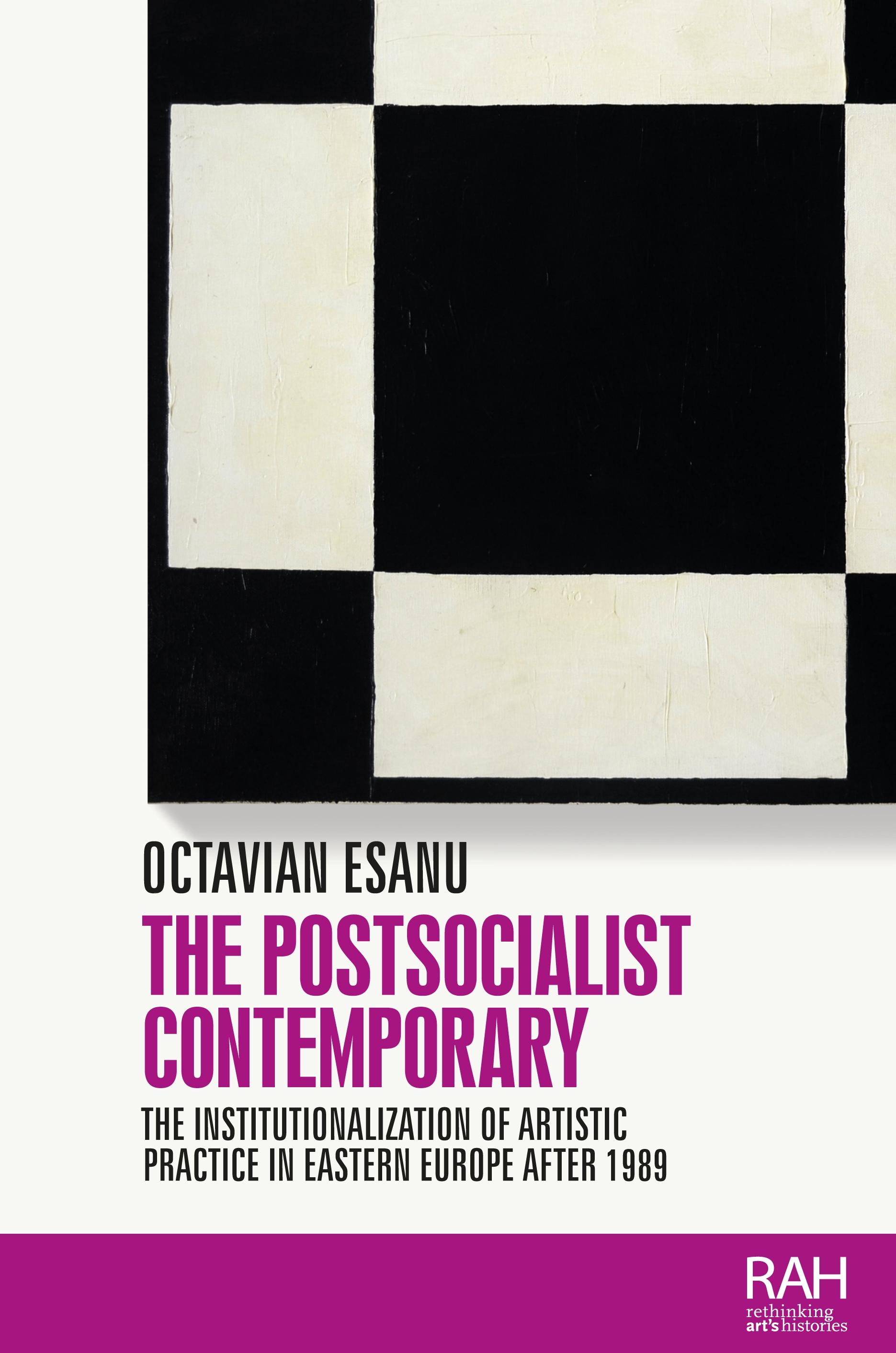
The postsocialist contemporary joins a growing body of scholarship debating the definition and nature of contemporary art. It comes to these debates from a historicist perspective, taking as its point of departure one particular art programme, initiated in Eastern Europe by the Hungarian-American billionaire George Soros. First implemented in Hungary, the Soros Center for Contemporary Art (SCCA) expanded to another eighteen ex-socialist countries throughout the 1990s. Its mission was to build a western ‘open society’ by means of art. This book discusses how network managers and artists participated in the construction of this new social order by studying the programme’s rise, evolution, impact and broader ideological and political consequences. Rather than recounting a history, its engages critically with ‘contemporary art’ as the aesthetic paradigm of late-capitalist market democracy.
Betala smidigt med kort, Klarna, Apple Pay eller Google Pay. Är du inte nöjd har du alltid 14 dagars ångerrätt. Läs mer i våra villkor. Har du några frågor, mejla oss på hello@memmo.org.
Memmo gör det enklare att plugga – var du än är i världen. Hos oss samlar du kursböcker och smarta studieverktyg på ett och samma ställe: sammanfattningar, quiz, poddar och flashcards. Och så Ted, din studiekompis som svarar på allt du undrar. Över 75 000 studenter pluggar redan här – byggt för att du ska lära dig snabbare och stressa mindre.
Du kanske också gillar
Köp boken0