
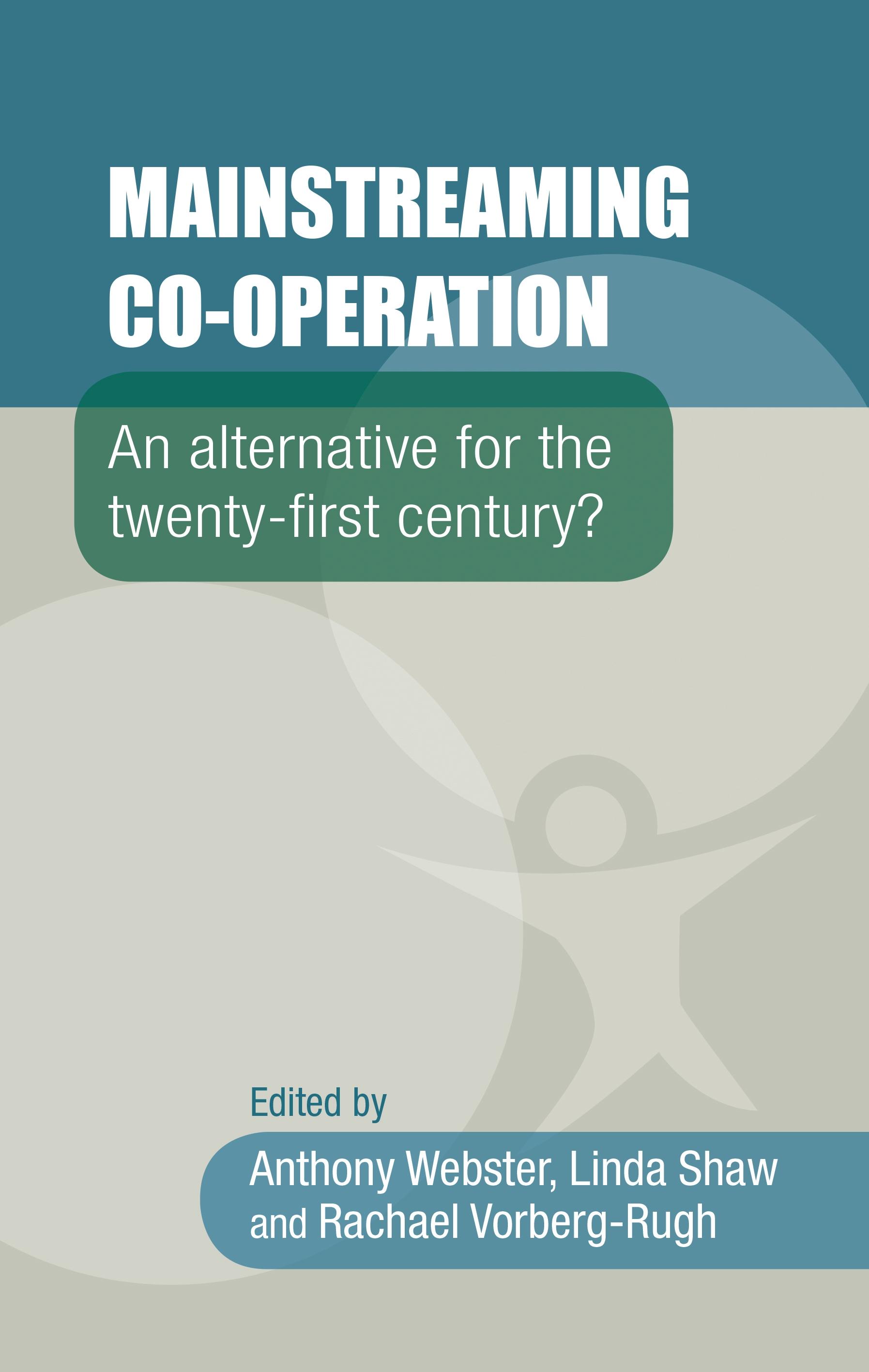
After decades of flying beneath the radar, co-operation as a principle of business and socio-economic organisation is moving from the margins of economic, social and political thought into the mainstream. In both the developed and developing world, co-operative models are increasingly viewed as central to tackling a diverse array of issues, including global food security, climate change, sustainable economic development, public service provision and gender inequality. This collection, drawing together research from an interdisciplinary group of scholars and co-operative practitioners, considers the different spheres in which co-operatives are becoming more prominent. Drawing examples from different national and international contexts, the book offers major insights into how co-operation will come to occupy a more central role in social and economic life in the twenty-first century.
Mainstreaming co-operation will be of interest to students and academics studying economics, business studies, history, politics and international development, but also to policy makers interested in co-operatives and mutuals as a viable alternative to conventional models of social and economic development.
Betala smidigt med kort, Klarna, Apple Pay eller Google Pay. Är du inte nöjd har du alltid 14 dagars ångerrätt. Läs mer i våra villkor. Har du några frågor, mejla oss på hello@memmo.org.
Memmo gör det enklare att plugga – var du än är i världen. Hos oss samlar du kursböcker och smarta studieverktyg på ett och samma ställe: sammanfattningar, quiz, poddar och flashcards. Och så Ted, din studiekompis som svarar på allt du undrar. Över 50 000 studenter pluggar redan här – byggt för att du ska lära dig snabbare och stressa mindre.