
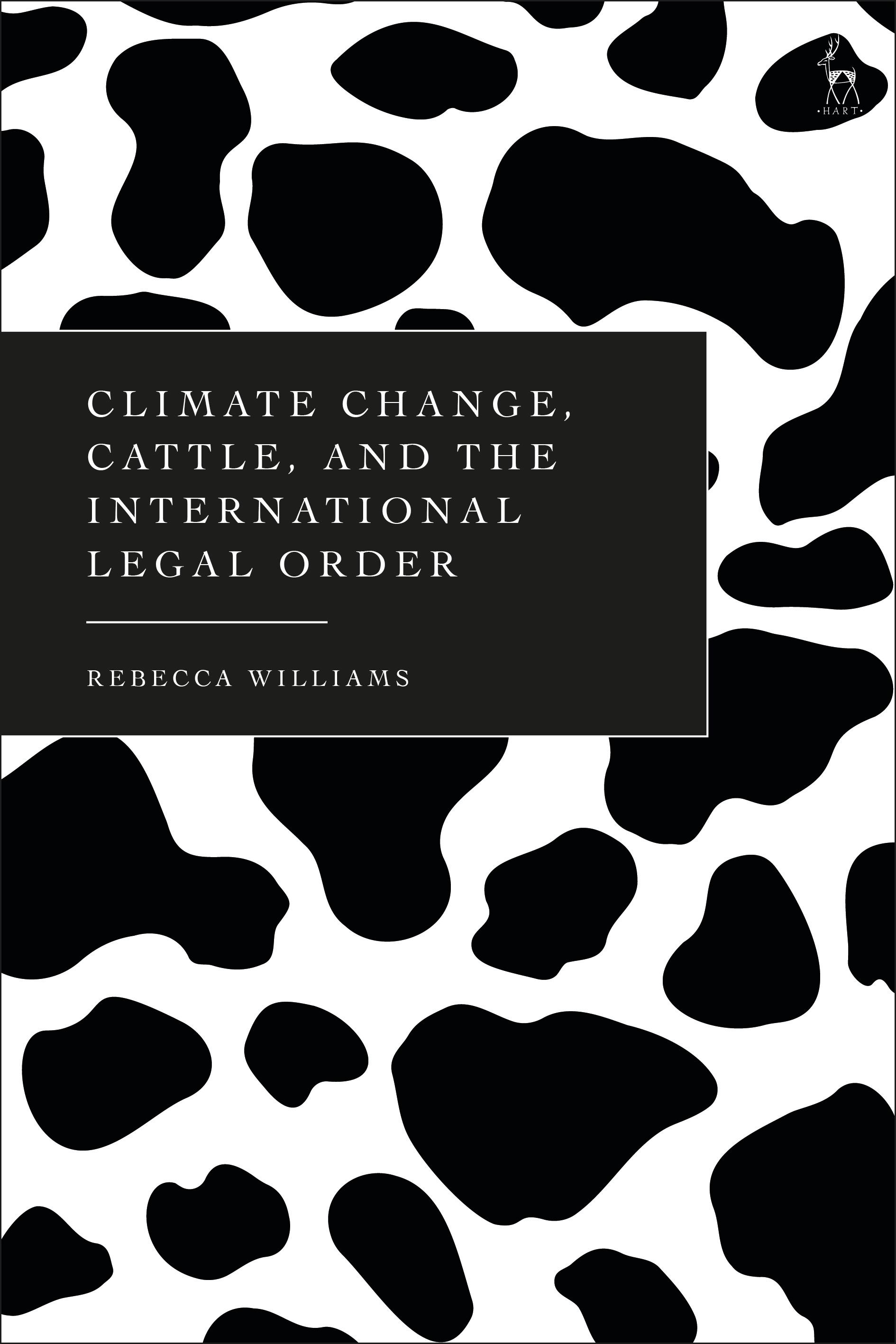
Livestock food systems need to be rapidly rethought to tackle the global climate crisis. This book examines how climate concerns for the livestock sector are governed in international law and addresses the sector's inclusion (or lack thereof) across the international governance of climate change, agriculture, forests and trade.
The book provides a wide-ranging analysis of legal regimes at the international level that affect emissions from cattle (and where relevant, livestock more broadly). On this basis, tensions, interactions, and common themes for livestock emissions mitigation across the international climate change, forestry, agricultural and agri-trade regime are identified. This showcases where productive synergies and damaging tensions have emerged across the cross-cutting nature of livestock governance, enabling goals of fairer and more effective emissions mitigation for the sector to be achieved.
In addition to addressing issues such as food security and public health, the book highlights the problem of affluence in reducing cattle emissions from meat consumption. This key insight is significant in terms of tackling future livestock emissions trajectories, particularly in relation to securing climate justice within the agricultural sector and securing equitable and effective livestock solutions.
The book is a key text for all those with an interest in the legal governance of climate change and agriculture, adding to the timely debate on the future sustainability of the global diet and the relationship between affluence and climate change.
The book provides a wide-ranging analysis of legal regimes at the international level that affect emissions from cattle (and where relevant, livestock more broadly). On this basis, tensions, interactions, and common themes for livestock emissions mitigation across the international climate change, forestry, agricultural and agri-trade regime are identified. This showcases where productive synergies and damaging tensions have emerged across the cross-cutting nature of livestock governance, enabling goals of fairer and more effective emissions mitigation for the sector to be achieved.
In addition to addressing issues such as food security and public health, the book highlights the problem of affluence in reducing cattle emissions from meat consumption. This key insight is significant in terms of tackling future livestock emissions trajectories, particularly in relation to securing climate justice within the agricultural sector and securing equitable and effective livestock solutions.
The book is a key text for all those with an interest in the legal governance of climate change and agriculture, adding to the timely debate on the future sustainability of the global diet and the relationship between affluence and climate change.
Betala smidigt med kort, Klarna, Apple Pay eller Google Pay. Är du inte nöjd har du alltid 14 dagars ångerrätt. Läs mer i våra villkor. Har du några frågor, mejla oss på hello@memmo.org.
Memmo gör det enklare att plugga – var du än är i världen. Hos oss samlar du kursböcker och smarta studieverktyg på ett och samma ställe: sammanfattningar, quiz, poddar och flashcards. Och så Ted, din studiekompis som svarar på allt du undrar. Över 50 000 studenter pluggar redan här – byggt för att du ska lära dig snabbare och stressa mindre.