
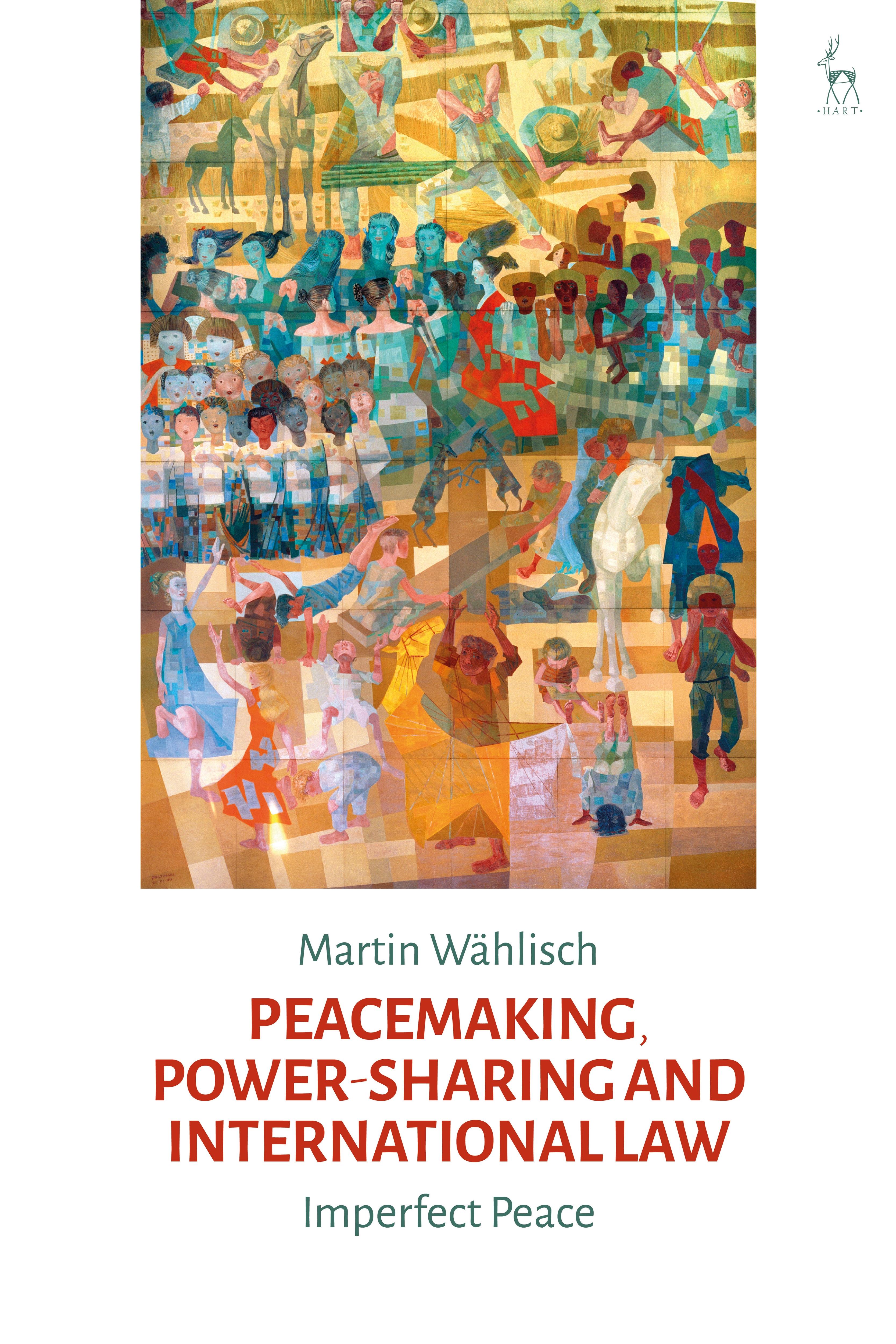
This monograph provides a contemporary analysis of the frictions between peacemaking and international human rights law based on the cases of postconflict power-sharing in Lebanon and Bosnia-Herzegovina. In this context it evaluates the long-standing debate in the United Nations and human rights bodies about the 'imperfect peace'. Written from a practitioner–scholarly viewpoint and drawing from new authentic sources, the book describes the mechanisms used in peace agreements and post-conflict constitutions for managing ethnic or religious diversity, explains their legal limits under international human rights law, and provides a conceptual framework for analysing the nexus between law and peacemaking. The book argues that the relationship between the content of peace agreements and post-conflict constitutions, their negotiation process and the element of time, needs to be untangled to better understand the legal limits of statebuilding in the aftermath of armed conflict. It is a key resource for scholars in human rights law and peace and conflict studies, advisers in peace processes, constitution-makers, and peace mediators.
Betala smidigt med kort, Klarna, Apple Pay eller Google Pay. Är du inte nöjd har du alltid 14 dagars ångerrätt. Läs mer i våra villkor. Har du några frågor, mejla oss på hello@memmo.org.
Memmo gör det enklare att plugga – var du än är i världen. Hos oss samlar du kursböcker och smarta studieverktyg på ett och samma ställe: sammanfattningar, quiz, poddar och flashcards. Och så Ted, din studiekompis som svarar på allt du undrar. Över 50 000 studenter pluggar redan här – byggt för att du ska lära dig snabbare och stressa mindre.