
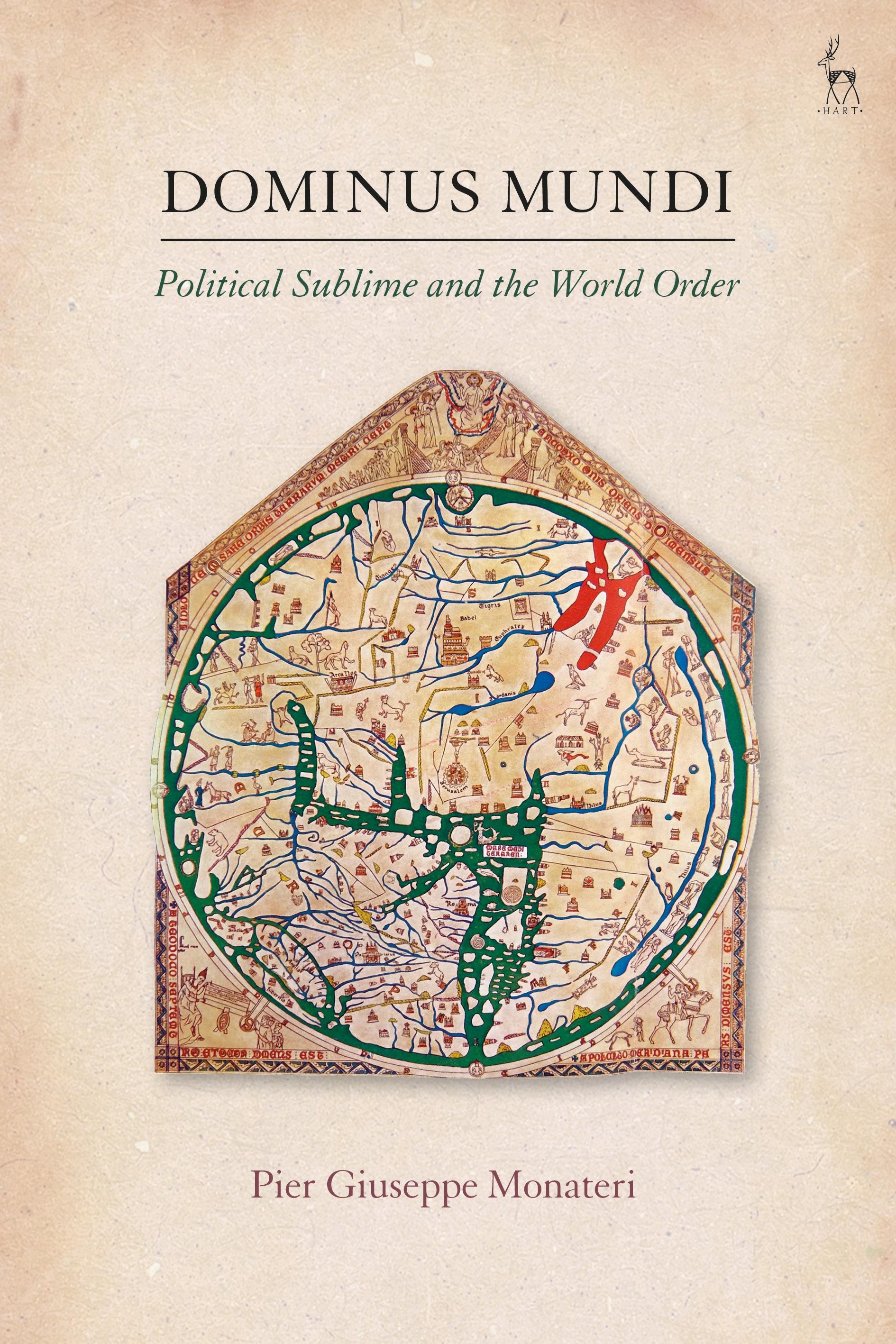
This monograph makes a seminal contribution to existing literature on the importance of Roman law in the development of political thought in Europe. In particular it examines the expression 'dominus mundi', following it through the texts of the medieval jurists – the Glossators and Post-Glossators – up to the political thought of Hobbes. Understanding the concept of dominus mundi sheds light on how medieval jurists understood ownership of individual things; it is more complex than it might seem; and this book investigates these complexities. The book also offers important new insights into Thomas Hobbes, especially with regard to the end of dominus mundi and the replacement by Leviathan. Finally, the book has important relevance for contemporary political theory. With fading of political diversity Monateri argues “that the actual setting of globalisation represents the reappearance of the Ghost of the Dominus Mundi, a political refoulé – repressed – a reappearance of its sublime nature, and a struggle to restore its universal legitimacy, and take its place.” In making this argument, the book adds an important original vision to current debates in legal and political philosophy.
Betala smidigt med kort, Klarna, Apple Pay eller Google Pay. Är du inte nöjd har du alltid 14 dagars ångerrätt. Läs mer i våra villkor. Har du några frågor, mejla oss på hello@memmo.org.
Memmo gör det enklare att plugga – var du än är i världen. Hos oss samlar du kursböcker och smarta studieverktyg på ett och samma ställe: sammanfattningar, quiz, poddar och flashcards. Och så Ted, din studiekompis som svarar på allt du undrar. Över 50 000 studenter pluggar redan här – byggt för att du ska lära dig snabbare och stressa mindre.