
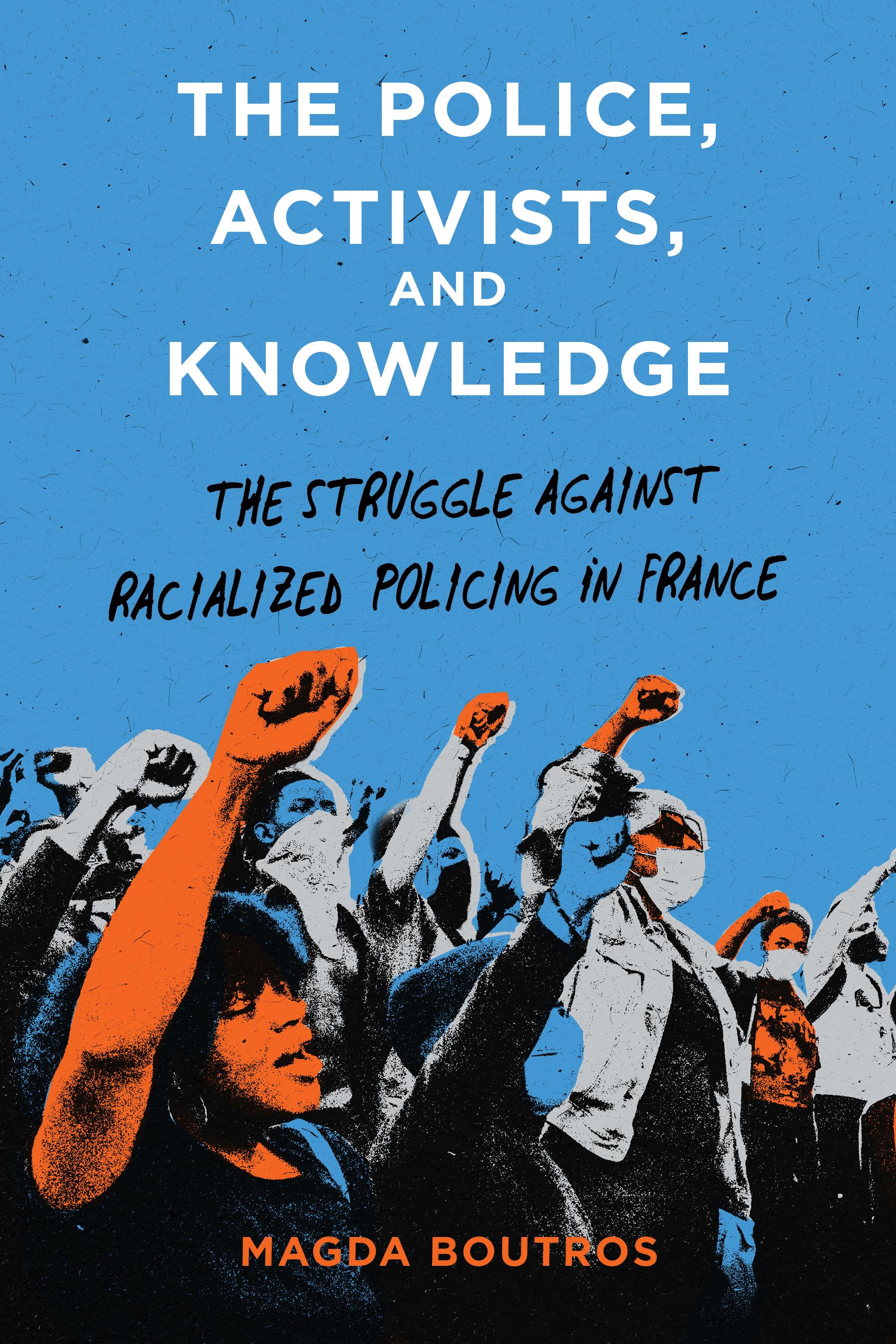
Over the past fifteen years in France, police brutality, racial profiling, and police impunity have become salient issues of the public and political debate. In this book, Magda Boutros examines the social movements that brought these issues to the forefront of public conversations and analyzes how they influenced the terms of the debate about policing and inequality. In France, like in other countries, the police hold significant power to determine what is known – and what remains hidden – about their practices. Drawing on a comparative ethnography of three activist coalitions, Boutros shows the different ways activists produced evidence about policing and racial inequalities: collecting quantitative data, documenting lived experiences of police targets, or victims coming together to analyze patterns of oppression. Each approach to data production shaped activists' conceptions of police violence and racism, their ability to push beyond a "bad apples" narrative, and their visions for change. It also impacted their capacity to push the boundaries of what is knowable and sayable in the media, policy, and judicial fields.
Boutros argues that we must pay attention to the capacity of the police to control what we know, and to the methods movements use to produce knowledge about policing and inequality.
Betala smidigt med kort, Klarna, Apple Pay eller Google Pay. Är du inte nöjd har du alltid 14 dagars ångerrätt. Läs mer i våra villkor. Har du några frågor, mejla oss på hello@memmo.org.
Memmo gör det enklare att plugga – var du än är i världen. Hos oss samlar du kursböcker och smarta studieverktyg på ett och samma ställe: sammanfattningar, quiz, poddar och flashcards. Och så Ted, din studiekompis som svarar på allt du undrar. Över 50 000 studenter pluggar redan här – byggt för att du ska lära dig snabbare och stressa mindre.