
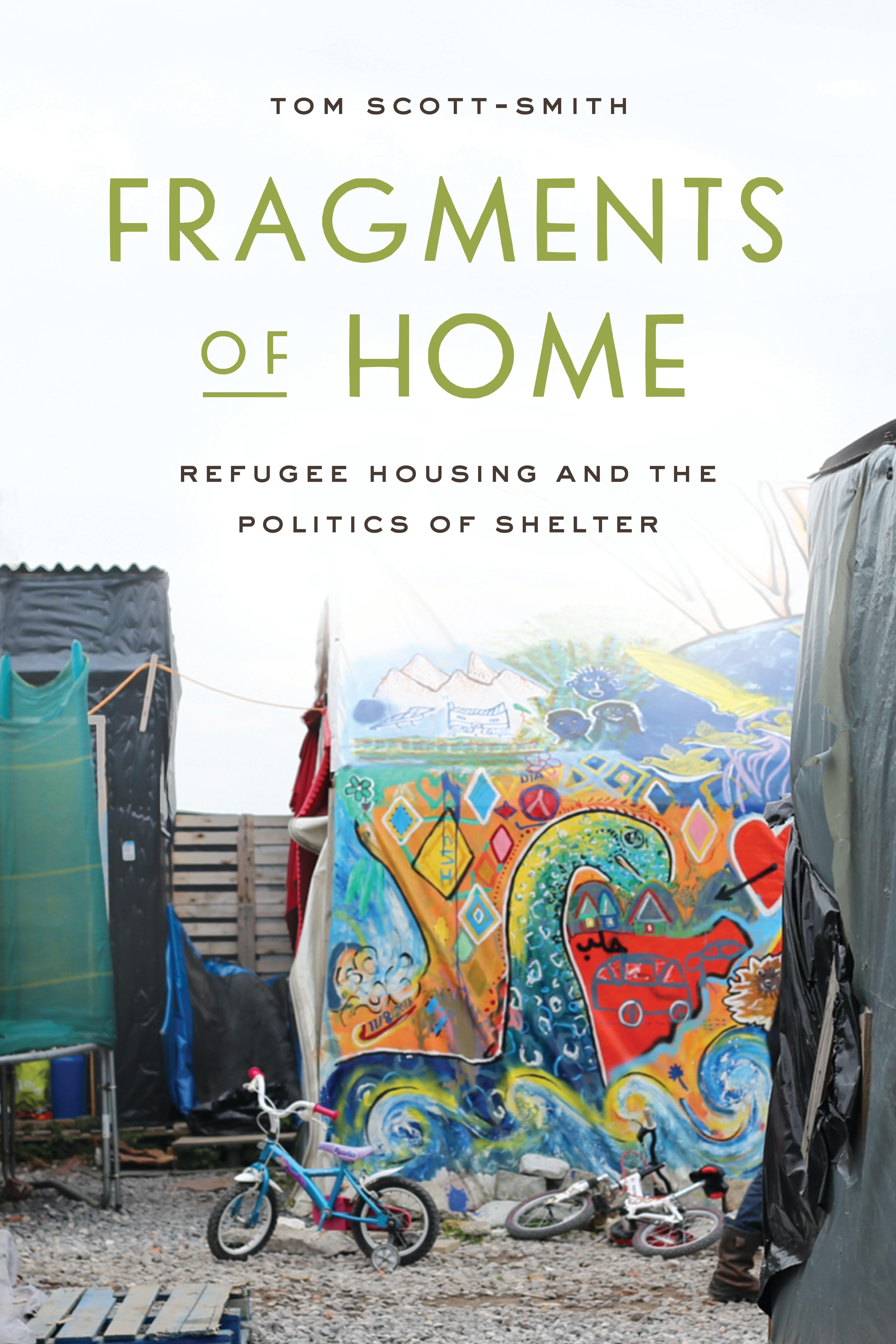
Abandoned airports. Shipping containers. Squatted hotels. These are just three of the many unusual places that have housed refugees in the past decade. The story of international migration is often told through personal odysseys and dangerous journeys, but when people arrive at their destinations a more mundane task begins: refugees need a place to stay. Governments and charities have adopted a range of strategies in response to this need. Some have sequestered refugees in massive camps of glinting metal. Others have hosted them in renovated office blocks and disused warehouses. They often end up in prefabricated shelters flown in from abroad.
This book focuses on seven examples of emergency shelter, from Germany to Jordan, which emerged after the great "summer of migration" in 2015. Drawing on detailed ethnographic research into these shelters, the book reflects on their political implications and opens up much bigger questions about humanitarian action. By exploring how aid agencies and architects approached this basic human need, Tom Scott-Smith demonstrates how shelter has many elements that are hard to reconcile or combine; shelter is always partial and incomplete, producing mere fragments of home. Ultimately, he argues that current approaches to emergency shelter have led to destructive forms of paternalism and concludes that the principle of autonomy can offer a more fruitful approach to sensitive and inclusive housing.
Betala smidigt med kort, Klarna, Apple Pay eller Google Pay. Är du inte nöjd har du alltid 14 dagars ångerrätt. Läs mer i våra villkor. Har du några frågor, mejla oss på hello@memmo.org.
Memmo gör det enklare att plugga – var du än är i världen. Hos oss samlar du kursböcker och smarta studieverktyg på ett och samma ställe: sammanfattningar, quiz, poddar och flashcards. Och så Ted, din studiekompis som svarar på allt du undrar. Över 50 000 studenter pluggar redan här – byggt för att du ska lära dig snabbare och stressa mindre.