
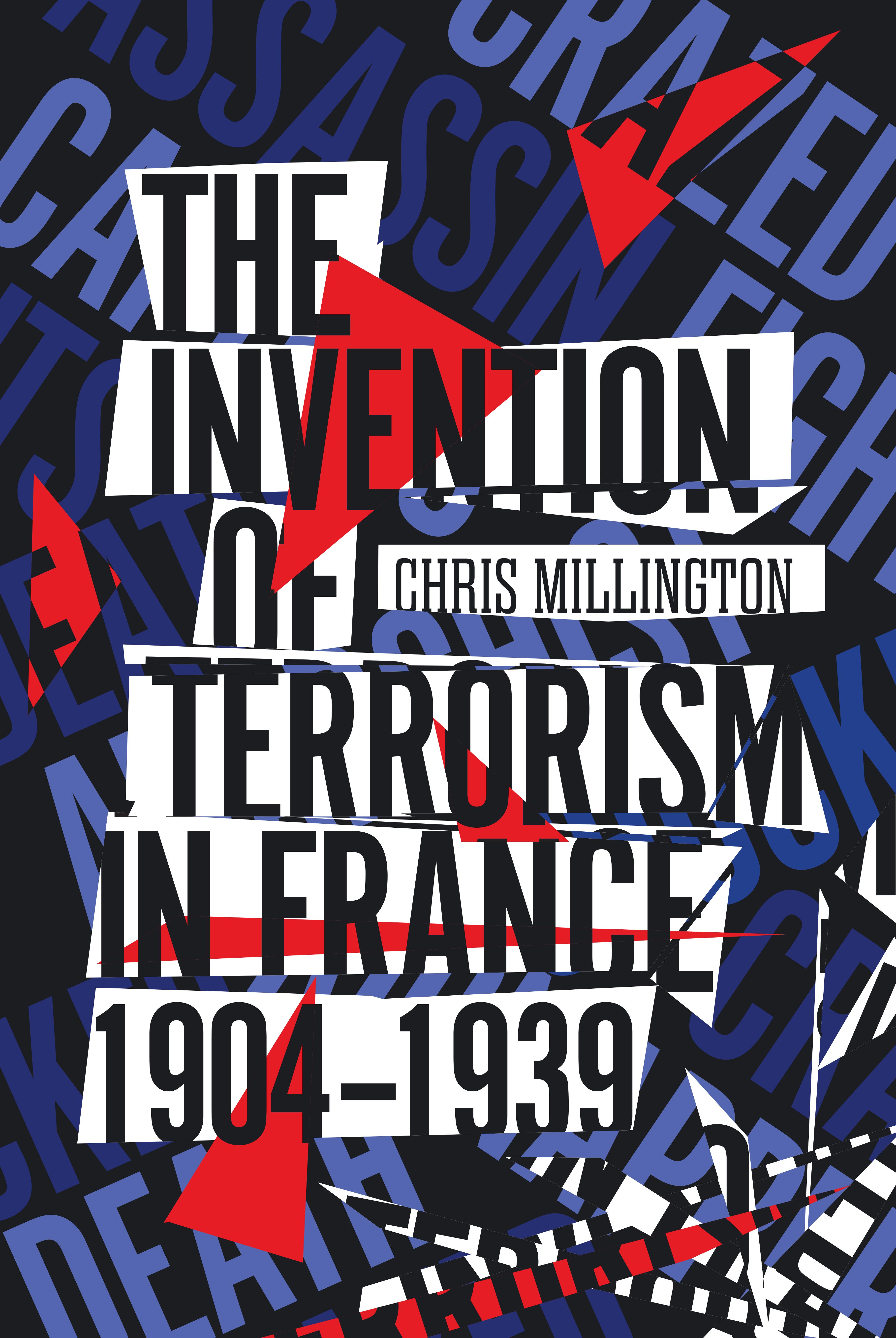
The Invention of Terrorism in France, 1904-1939 investigates the political and social imaginaries of "terrorism" in the early twentieth century. Chris Millington traces the development of how the French conceived of terrorism, from the late nineteenth-century notion that terrorism was the deed of the mad anarchist bomber, to the fraught political clashes of the 1930s when terrorism came to be understood as a political act perpetrated against French interests by organized international movements. Through a close analysis of a series of terrorist incidents and representations thereof in public discourse and the press, the book argues that contemporary ideas of terrorism in France as "unFrench"—that is, contrary to the ideas and values, however defined, that make up "Frenchness"—emerged in the interwar years and subsequently took root long before the terrorist campaigns of Algerian nationalists during the 1950s and 1960s.
Millington conceptualizes "terrorism" not only as the act itself, but also as a political and cultural construction of violence composed from a variety of discourses and deployed in particular circumstances by commentators, witnesses, and perpetrators. In doing so, he argues that the political and cultural battles inherent to perceptions of terrorism lay bare numerous concerns, not least anxieties over immigration, antiparliamentarianism, representations of gender, and the future of European peace.
Betala smidigt med kort, Klarna, Apple Pay eller Google Pay. Är du inte nöjd har du alltid 14 dagars ångerrätt. Läs mer i våra villkor. Har du några frågor, mejla oss på hello@memmo.org.
Memmo gör det enklare att plugga – var du än är i världen. Hos oss samlar du kursböcker och smarta studieverktyg på ett och samma ställe: sammanfattningar, quiz, poddar och flashcards. Och så Ted, din studiekompis som svarar på allt du undrar. Över 50 000 studenter pluggar redan här – byggt för att du ska lära dig snabbare och stressa mindre.