
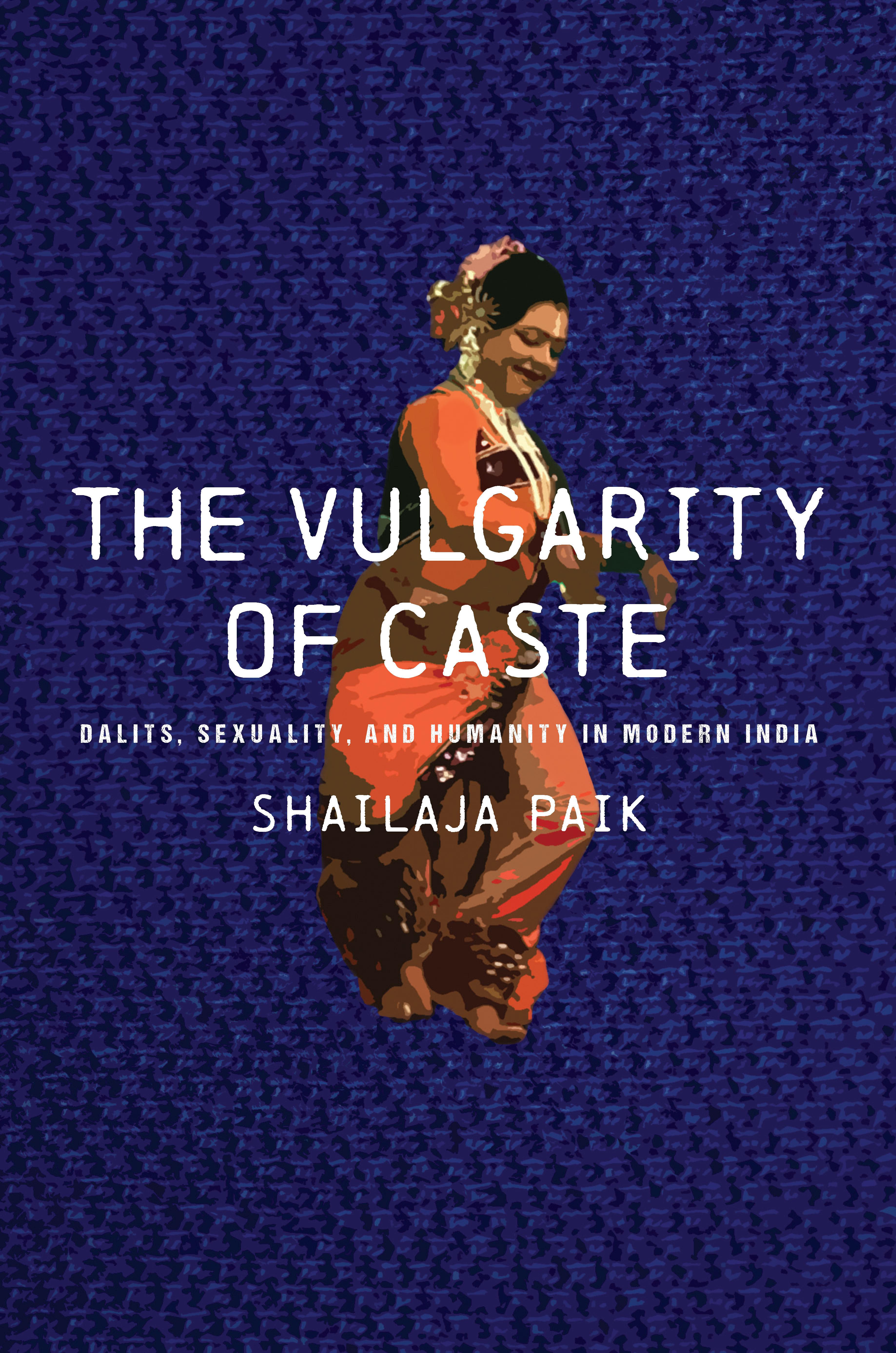
This book offers the first social and intellectual history of Dalit performance of Tamasha—a popular form of public, secular, traveling theater in Maharashtra—and places Dalit Tamasha women who represented the desire and disgust of the patriarchal society at the heart of modernization in twentieth century India. Drawing on ethnographies, films, and untapped archival materials, Shailaja Paik illuminates how Tamasha was produced and shaped through conflicts over caste, gender, sexuality, and culture. Dalit performers, activists, and leaders negotiated the violence and stigma in Tamasha as they struggled to claim manuski (human dignity) and transform themselves from ashlil (vulgar) to assli (authentic) and manus (human beings).
Building on and departing from the Ambedkar-centered historiography and movement-focused approach of Dalit studies, Paik examines the ordinary and everydayness in Dalit lives. Ultimately, she demonstrates how the choices that communities make about culture speak to much larger questions about inclusion, inequality, and structures of violence of caste within Indian society, and opens up new approaches for the transformative potential of Dalit politics and the global history of gender, sexuality, and the human.
Betala smidigt med kort, Klarna, Apple Pay eller Google Pay. Är du inte nöjd har du alltid 14 dagars ångerrätt. Läs mer i våra villkor. Har du några frågor, mejla oss på hello@memmo.org.
Memmo gör det enklare att plugga – var du än är i världen. Hos oss samlar du kursböcker och smarta studieverktyg på ett och samma ställe: sammanfattningar, quiz, poddar och flashcards. Och så Ted, din studiekompis som svarar på allt du undrar. Över 50 000 studenter pluggar redan här – byggt för att du ska lära dig snabbare och stressa mindre.