
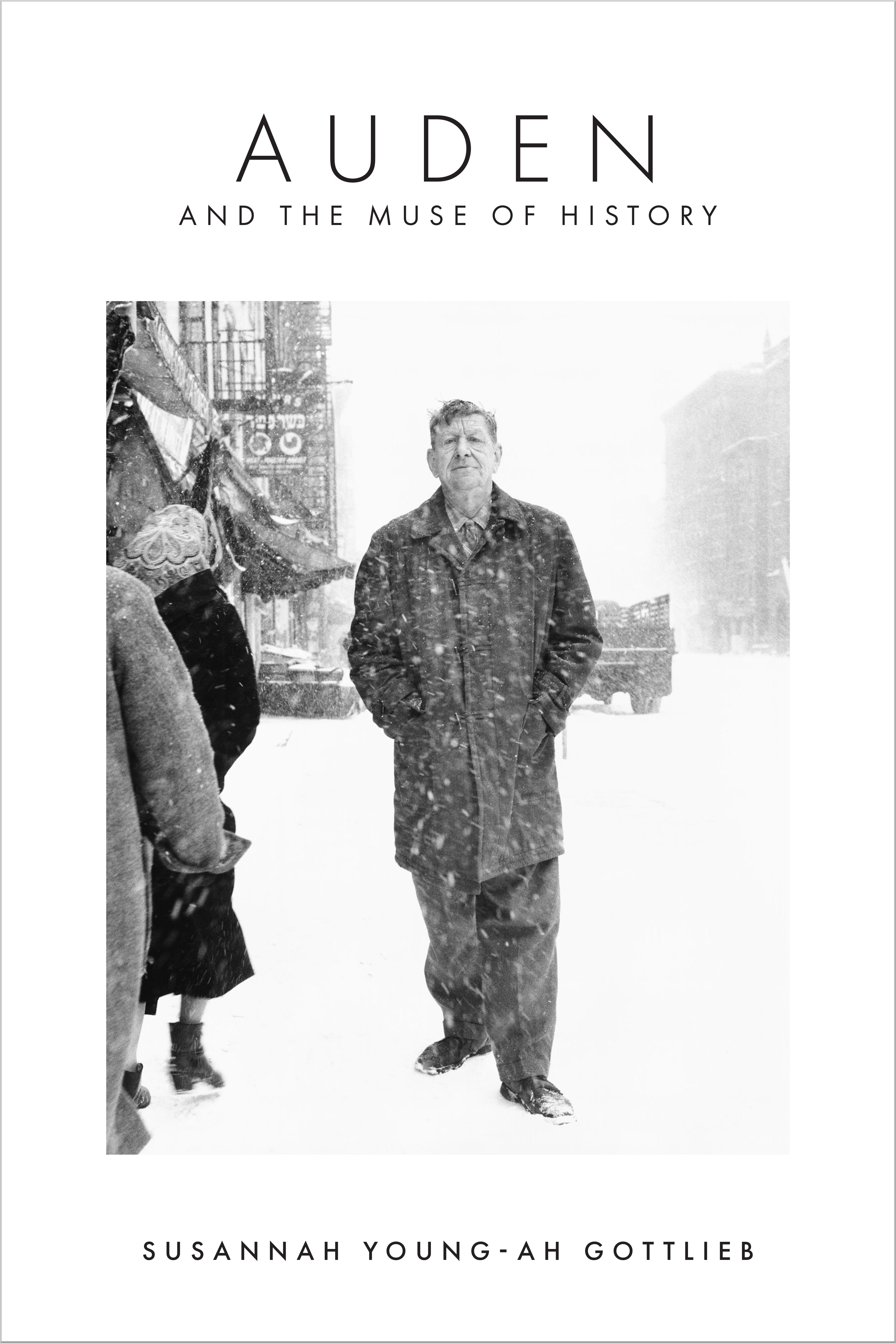
Concentrating on W. H. Auden's work from the late 1930s, when he seeks to understand the poet's responsibility in the face of a triumphant fascism, to the late 1950s, when he discerns an irreconcilable "divorce" between poetry and history in light of industrialized murder, this startling new study reveals the intensity of the poet's struggles with the meanings of history. Through meticulous readings, significant archival findings, and critical reflection, Susannah Young-ah Gottlieb presents a new image and understanding of Auden's achievement and reveals how his version of modernism illuminates urgent contemporary issues and theoretical paradigms: from the meaning of marriage equality to the persistence of fascism; from critical theory to psychoanalysis; from precarity to postcolonial studies. "The muse does not like being forced to choose between Agit-prop and Mallarmé," Auden writes with characteristic lucidity, and this study elucidates the probity, humor, and technical skill with which his responses to historical reality in the mid-twentieth century illuminate our world today.
Betala smidigt med kort, Klarna, Apple Pay eller Google Pay. Är du inte nöjd har du alltid 14 dagars ångerrätt. Läs mer i våra villkor. Har du några frågor, mejla oss på hello@memmo.org.
Memmo gör det enklare att plugga – var du än är i världen. Hos oss samlar du kursböcker och smarta studieverktyg på ett och samma ställe: sammanfattningar, quiz, poddar och flashcards. Och så Ted, din studiekompis som svarar på allt du undrar. Över 50 000 studenter pluggar redan här – byggt för att du ska lära dig snabbare och stressa mindre.