
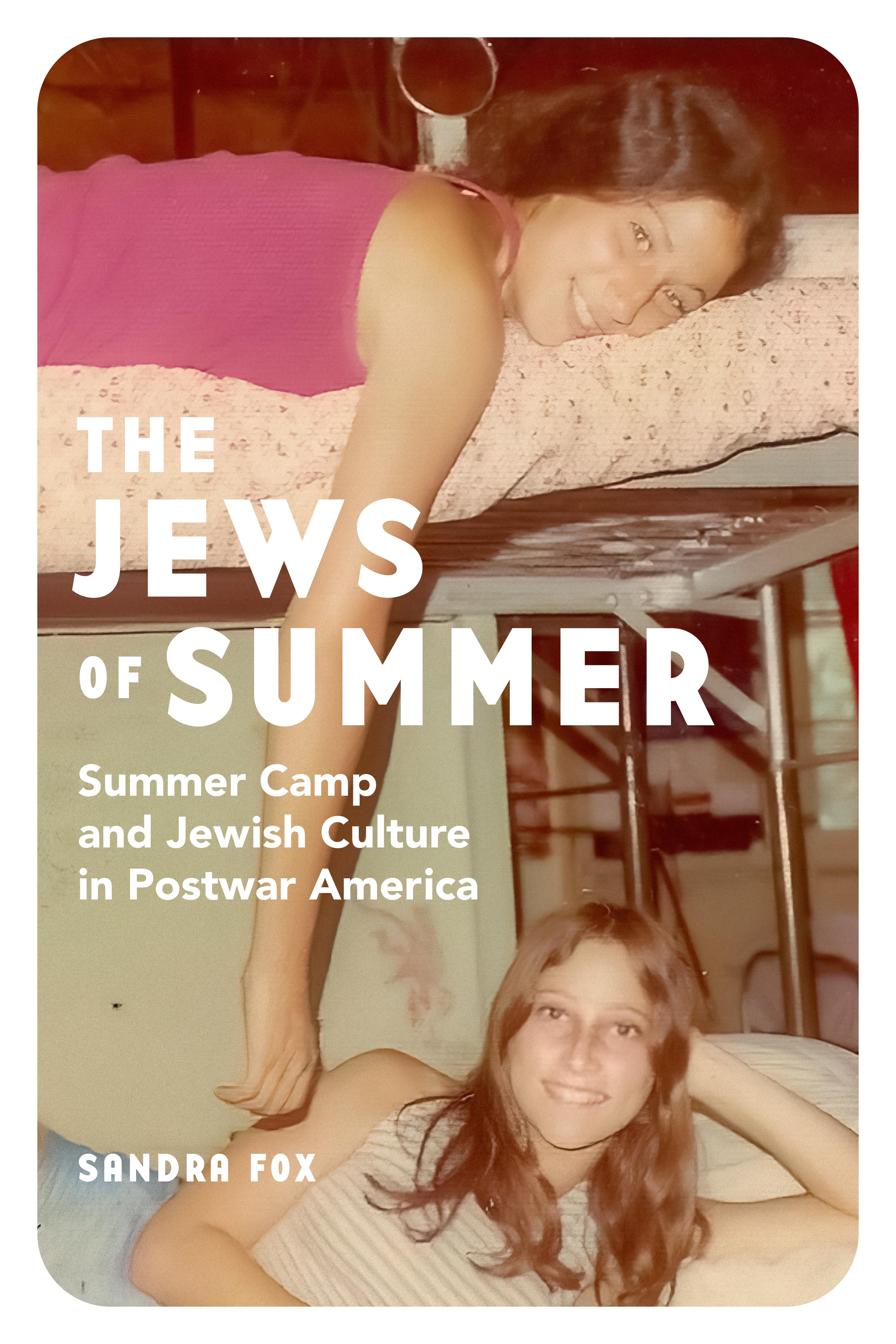
In the decades directly following the Holocaust, American Jewish leaders anxiously debated how to preserve and produce what they considered authentic Jewish culture, fearful that growing affluence and suburbanization threatened the future of Jewish life. Many communal educators and rabbis contended that without educational interventions, Judaism as they understood it would disappear altogether. They pinned their hopes on residential summer camps for Jewish youth: institutions that sprang up across the U.S. in the postwar decades as places for children and teenagers to socialize, recreate, and experience Jewish culture. Adults' fears, hopes, and dreams about the Jewish future inflected every element of camp life, from the languages they taught to what was encouraged romantically and permitted sexually. But adult plans did not constitute everything that occurred at camp: children and teenagers also shaped these sleepaway camps to mirror their own desires and interests and decided whether to accept or resist the ideas and ideologies their camp leaders promoted. Focusing on the lived experience of campers and camp counselors, The Jews of Summer demonstrates how a cultural crisis birthed a rite of passage that remains a significant influence in American Jewish life.
Betala smidigt med kort, Klarna, Apple Pay eller Google Pay. Är du inte nöjd har du alltid 14 dagars ångerrätt. Läs mer i våra villkor. Har du några frågor, mejla oss på hello@memmo.org.
Memmo gör det enklare att plugga – var du än är i världen. Hos oss samlar du kursböcker och smarta studieverktyg på ett och samma ställe: sammanfattningar, quiz, poddar och flashcards. Och så Ted, din studiekompis som svarar på allt du undrar. Över 50 000 studenter pluggar redan här – byggt för att du ska lära dig snabbare och stressa mindre.