
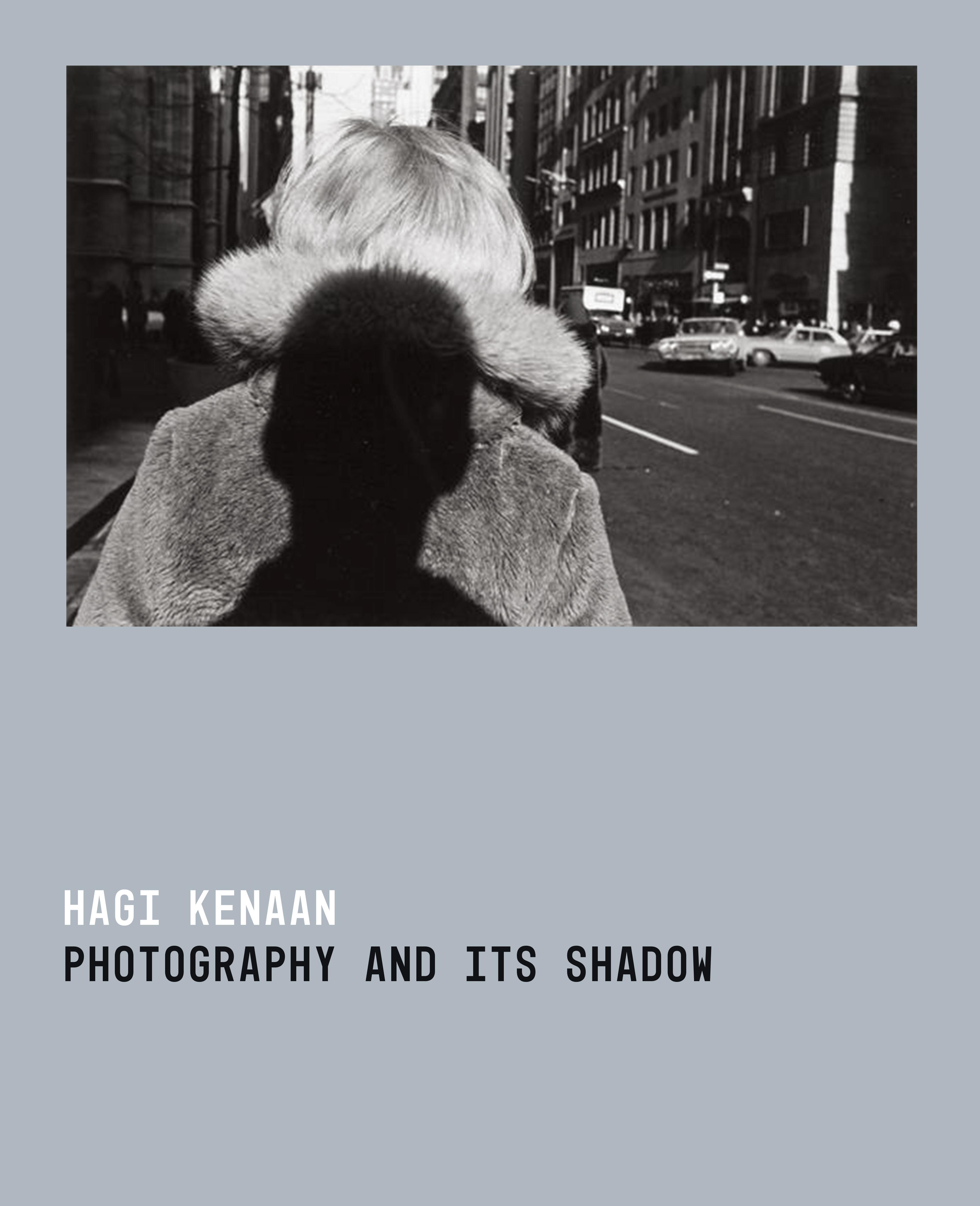
Photography and Its Shadow argues that the invention of photography marked a rupture in our relation to the world and what we see in it. The dominant theoretical and artistic paradigm for understanding the invention has been the tracing of shadows. But what photography really inaugurated was the shadow's disappearance—a disappearance that irreversibly changed our relationship to nature and the real, to time and to death.
A way of negotiating impermanence, photography was marked from the start by an inherent contradiction. It conflated two incompatible configurations of the visible: an embodied human eye, deeply sensitive to nature, and a machine vision that aimed to reify the instant and wallow in images alone. Photography's history is replete with efforts to conceal the mystery of its paradoxical constitution. Born in the century of Nietzsche's "death of God," it long enacted the fraught subjectivity of its age. Anxious, haunted by a void, it used an array of strategies to take on ever-new identities. Challenging the hitherto most influential accounts of the practice and taking us from its origins to the present, Hagi Kenaan shows us how photography has been transformed over time, and how it transforms us.
Betala smidigt med kort, Klarna, Apple Pay eller Google Pay. Är du inte nöjd har du alltid 14 dagars ångerrätt. Läs mer i våra villkor. Har du några frågor, mejla oss på hello@memmo.org.
Memmo gör det enklare att plugga – var du än är i världen. Hos oss samlar du kursböcker och smarta studieverktyg på ett och samma ställe: sammanfattningar, quiz, poddar och flashcards. Och så Ted, din studiekompis som svarar på allt du undrar. Över 50 000 studenter pluggar redan här – byggt för att du ska lära dig snabbare och stressa mindre.