
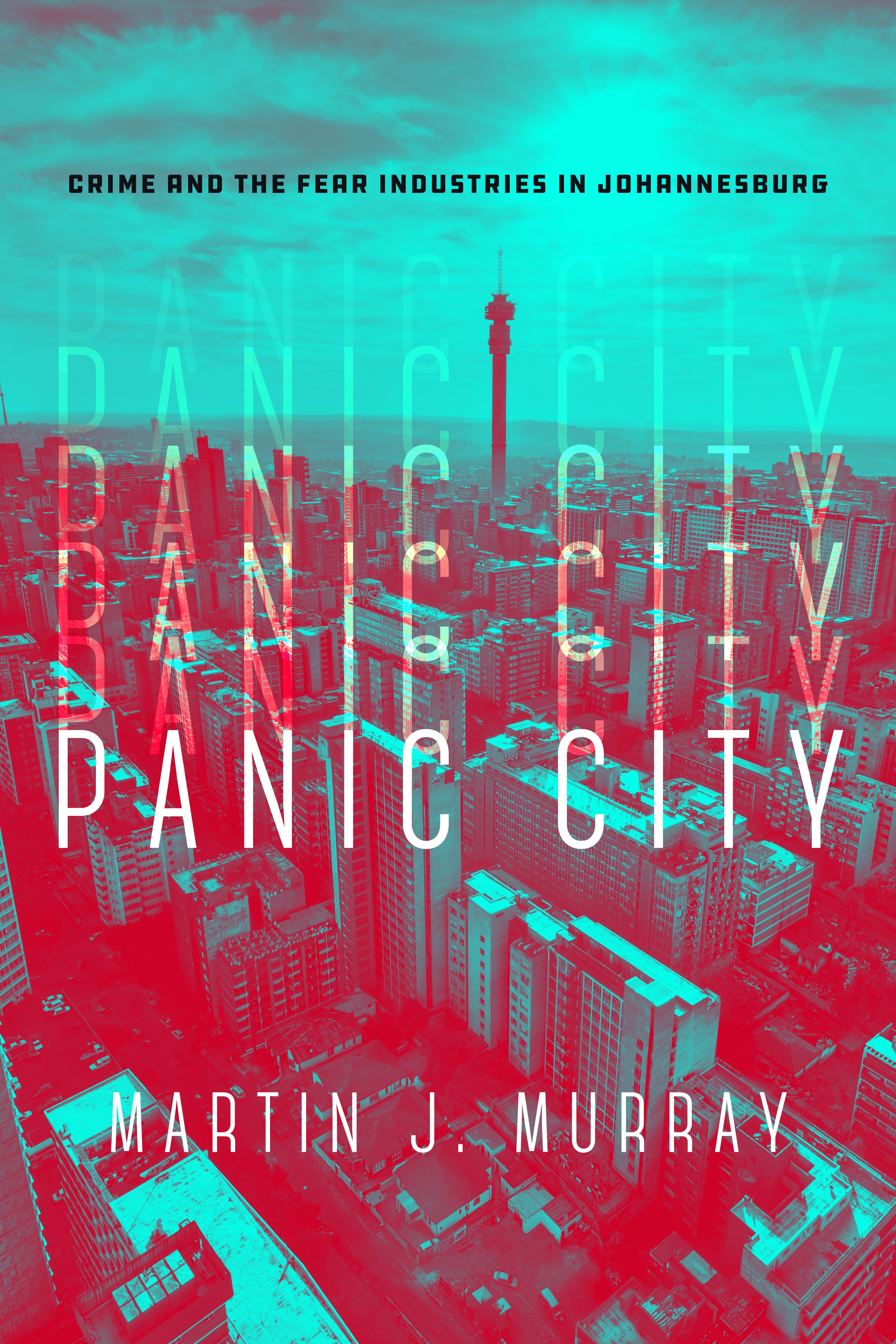
Despite the end of white minority rule and the transition to parliamentary democracy, Johannesburg remains haunted by its tortured history of racial segregation and burdened by enduring inequalities in income, opportunities for stable work, and access to decent housing. Under these circumstances, Johannesburg has become one of the most dangerous cities in the world, where the yawning gap between the 'haves' and 'have-nots' has fueled a turn toward redistribution through crime. While wealthy residents have retreated into heavily fortified gated communities and upscale security estates, the less affluent have sought refuge in retrofitting their private homes into safe houses, closing off public streets, and hiring the services of private security companies to protect their suburban neighborhoods. Panic City is an exploration of urban fear and its impact on the city's evolving siege architecture, the transformation of policing, and obsession with security that has fueled unprecedented private consumption of 'protection services.' Martin Murray analyzes the symbiotic relationship between public law enforcement agencies, private security companies, and neighborhood associations, wherein buyers and sellers of security have reinvented ways of maintaining outdated segregation practices that define the urban poor as suspects.
Betala smidigt med kort, Klarna, Apple Pay eller Google Pay. Är du inte nöjd har du alltid 14 dagars ångerrätt. Läs mer i våra villkor. Har du några frågor, mejla oss på hello@memmo.org.
Memmo gör det enklare att plugga – var du än är i världen. Hos oss samlar du kursböcker och smarta studieverktyg på ett och samma ställe: sammanfattningar, quiz, poddar och flashcards. Och så Ted, din studiekompis som svarar på allt du undrar. Över 50 000 studenter pluggar redan här – byggt för att du ska lära dig snabbare och stressa mindre.