
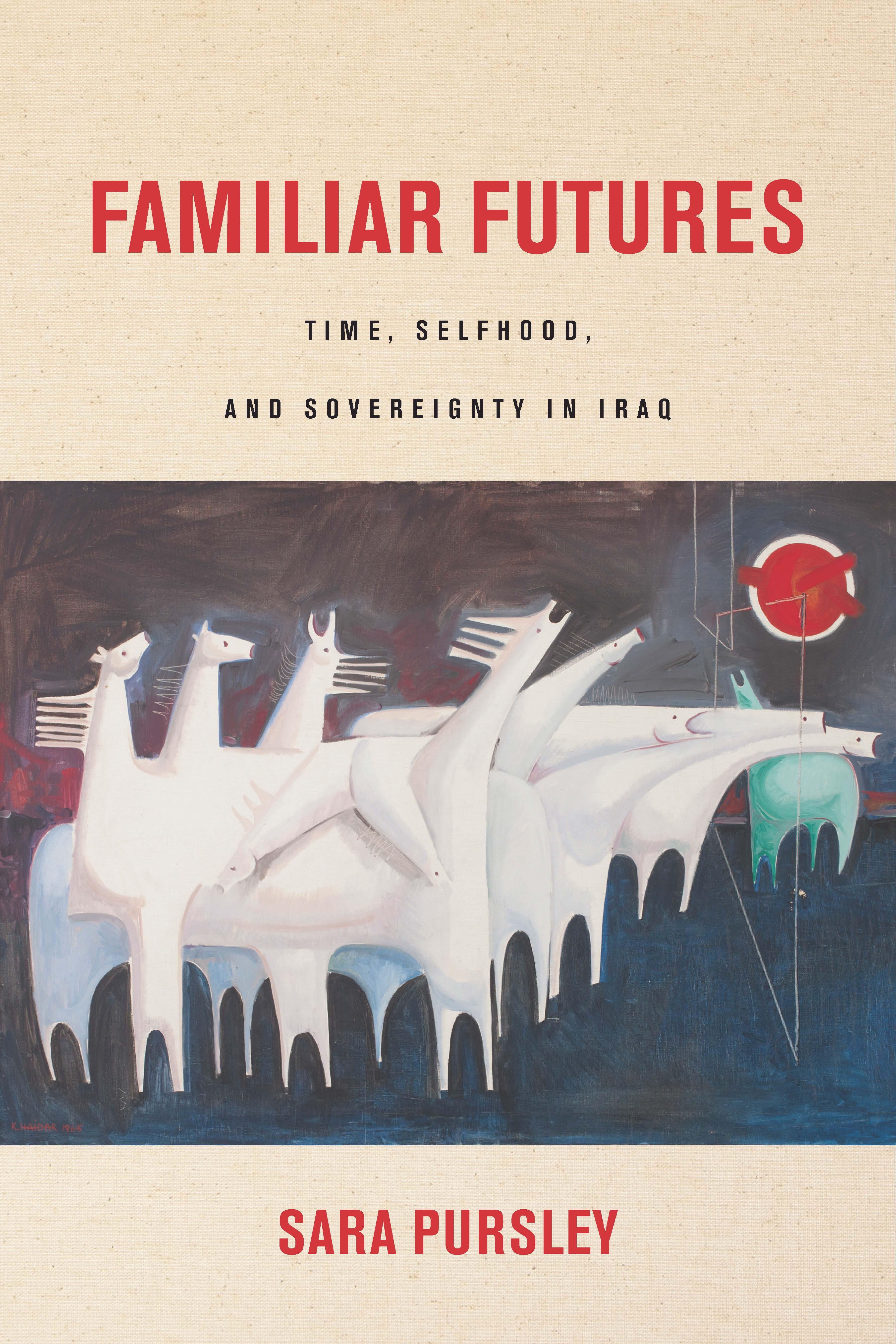
Iraq was the first postcolonial state recognized as legally sovereign by the League of Nations amid the twentieth-century wave of decolonization movements. It also emerged as an early laboratory of development projects designed by Iraqi intellectuals, British colonial officials, American modernization theorists, and postwar international agencies. Familiar Futures considers how such projects—from the country's creation under British mandate rule in 1920 through the 1958 revolution to the first Ba'th coup in 1963—reshaped Iraqi everyday habits, desires, and familial relations in the name of a developed future.
Sara Pursley investigates how Western and Iraqi policymakers promoted changes in schooling, land ownership, and family law to better differentiate Iraq's citizens by class, sex, and age. Peasants were resettled on isolated family farms; rural boys received education limited to training in agricultural skills; girls were required to take home economics courses; and adolescents were educated on the formation of proper families. Future-oriented discourses about the importance of sexual difference to Iraq's modernization worked paradoxically, deferring demands for political change in the present and reproducing existing capitalist relations. Ultimately, the book shows how certain goods—most obviously, democratic ideals—were repeatedly sacrificed in the name of the nation's economic development in an ever-receding future.
Betala smidigt med kort, Klarna, Apple Pay eller Google Pay. Är du inte nöjd har du alltid 14 dagars ångerrätt. Läs mer i våra villkor. Har du några frågor, mejla oss på hello@memmo.org.
Memmo gör det enklare att plugga – var du än är i världen. Hos oss samlar du kursböcker och smarta studieverktyg på ett och samma ställe: sammanfattningar, quiz, poddar och flashcards. Och så Ted, din studiekompis som svarar på allt du undrar. Över 50 000 studenter pluggar redan här – byggt för att du ska lära dig snabbare och stressa mindre.