
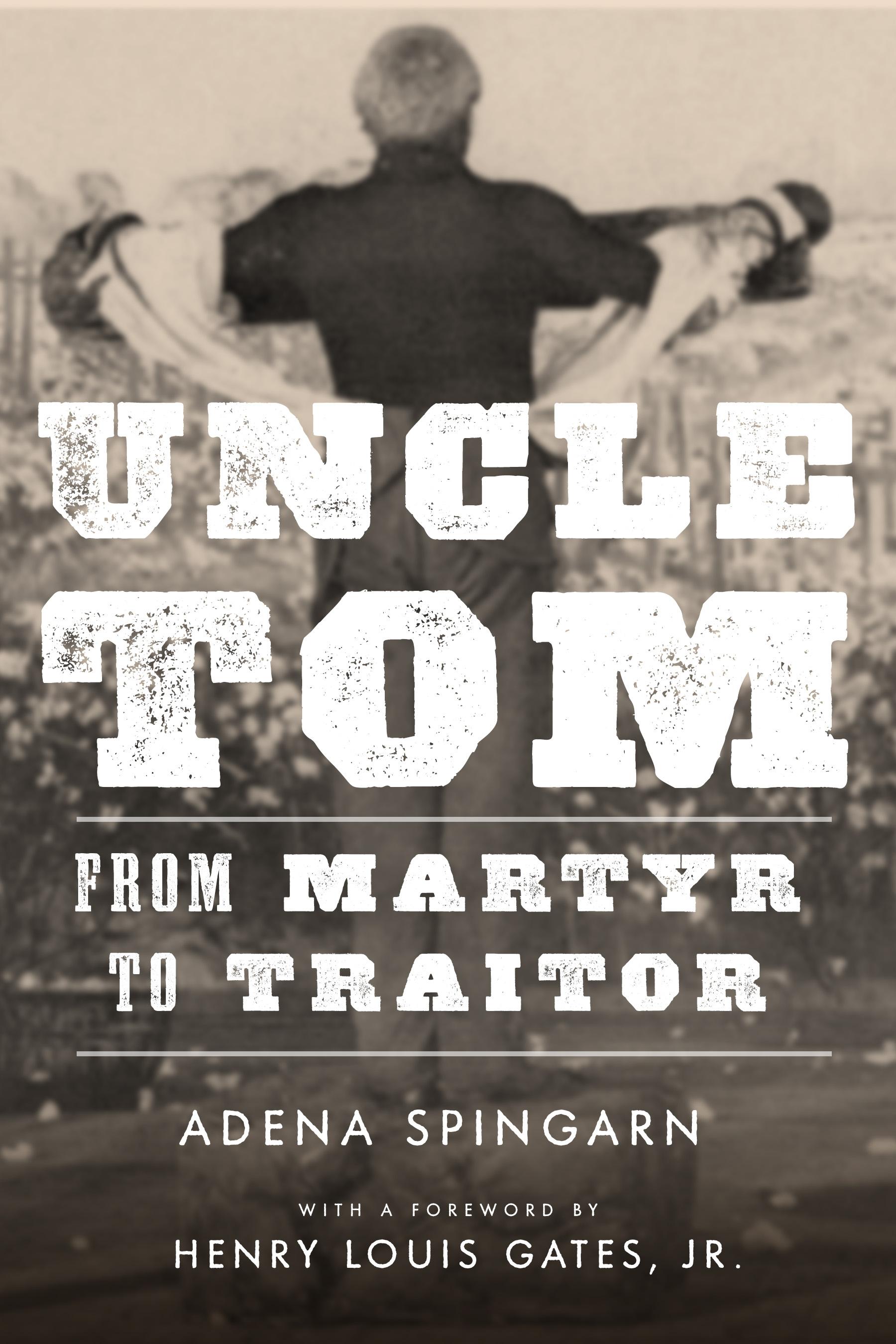
Uncle Tom charts the dramatic cultural transformation of perhaps the most controversial literary character in American history. From his origins as the heroic, Christ-like protagonist of Harriet Beecher Stowe's anti-slavery novel, the best-selling book of the nineteenth century after the Bible, Uncle Tom has become a widely recognized epithet for a black person deemed so subservient to whites that he betrays his race. Readers have long noted that Stowe's character is not the traitorous sycophant that his name connotes today. Adena Spingarn traces his evolution in the American imagination, offering the first comprehensive account of a figure central to American conversations about race and racial representation from 1852 to the present. We learn of the radical political potential of the novel's many theatrical spinoffs even in the Jim Crow era, Uncle Tom's breezy disavowal by prominent voices of the Harlem Renaissance, and a developing critique of "Uncle Tom roles" in Hollywood. Within the stubborn American binary of black and white, citizens have used this rhetorical figure to debate the boundaries of racial difference and the legacy of slavery. Through Uncle Tom, black Americans have disputed various strategies for racial progress and defined the most desirable and harmful images of black personhood in literature and popular culture.
Betala smidigt med kort, Klarna, Apple Pay eller Google Pay. Är du inte nöjd har du alltid 14 dagars ångerrätt. Läs mer i våra villkor. Har du några frågor, mejla oss på hello@memmo.org.
Memmo gör det enklare att plugga – var du än är i världen. Hos oss samlar du kursböcker och smarta studieverktyg på ett och samma ställe: sammanfattningar, quiz, poddar och flashcards. Och så Ted, din studiekompis som svarar på allt du undrar. Över 50 000 studenter pluggar redan här – byggt för att du ska lära dig snabbare och stressa mindre.