
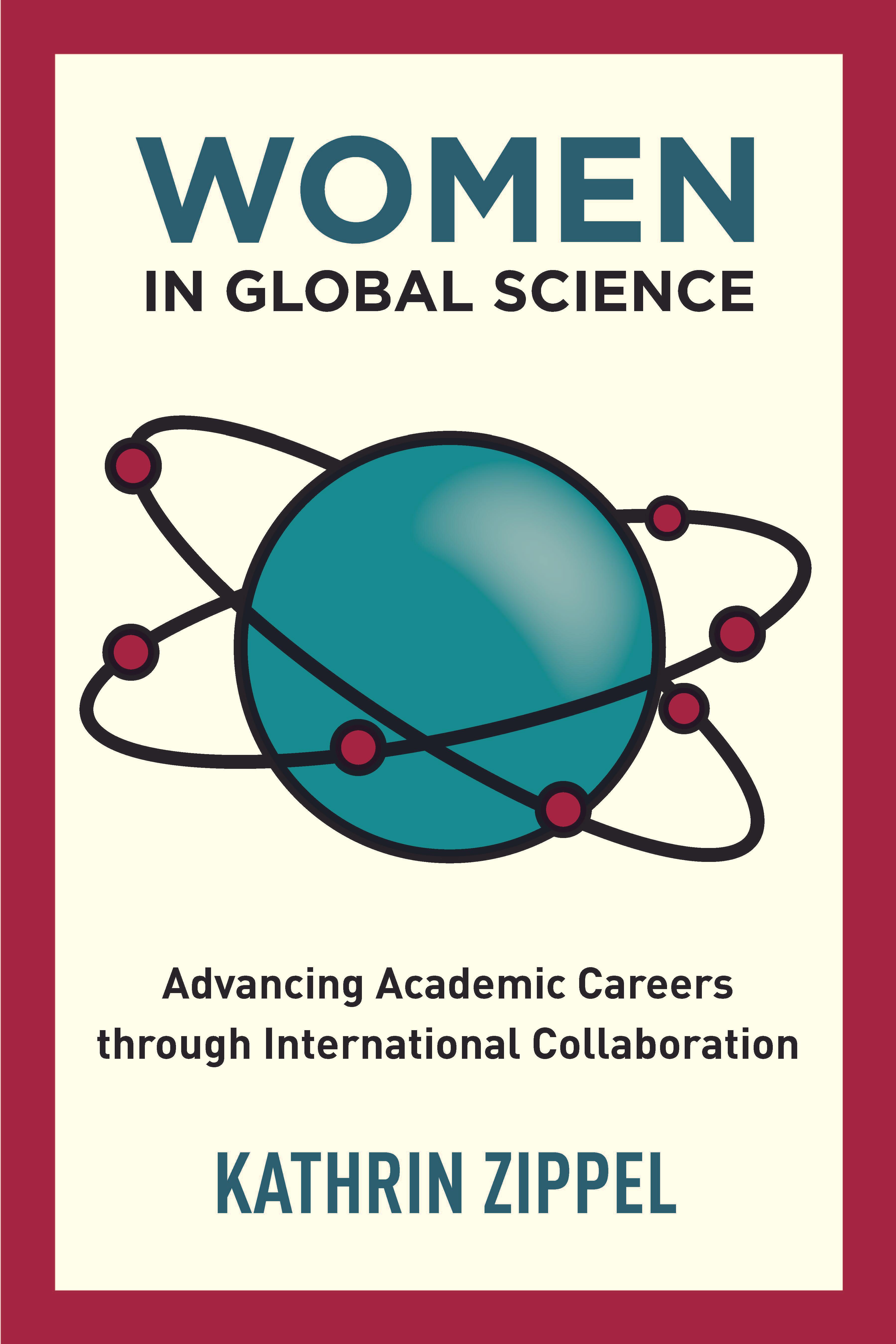
Scientific and engineering research is increasingly global, and international collaboration can be essential to academic success. Yet even as administrators and policymakers extol the benefits of global science, few recognize the diversity of international research collaborations and their participants, or take gendered inequalities into account. Women in Global Science is the first book to consider systematically the challenges and opportunities that the globalization of scientific work brings to U.S. academics, especially for women faculty.
Kathrin Zippel looks to the STEM fields as a case study, where gendered cultures and structures in academia have contributed to an underrepresentation of women. While some have approached underrepresentation as a national concern with a national solution, Zippel highlights how gender relations are reconfigured in global academia. For U.S. women in particular, international collaboration offers opportunities to step outside of exclusionary networks at home. International collaboration is not the panacea to gendered inequalities in academia, but, as Zippel argues, international considerations can be key to ending the steady attrition of women in STEM fields and developing a more inclusive academic world.
Betala smidigt med kort, Klarna, Apple Pay eller Google Pay. Är du inte nöjd har du alltid 14 dagars ångerrätt. Läs mer i våra villkor. Har du några frågor, mejla oss på hello@memmo.org.
Memmo gör det enklare att plugga – var du än är i världen. Hos oss samlar du kursböcker och smarta studieverktyg på ett och samma ställe: sammanfattningar, quiz, poddar och flashcards. Och så Ted, din studiekompis som svarar på allt du undrar. Över 50 000 studenter pluggar redan här – byggt för att du ska lära dig snabbare och stressa mindre.