
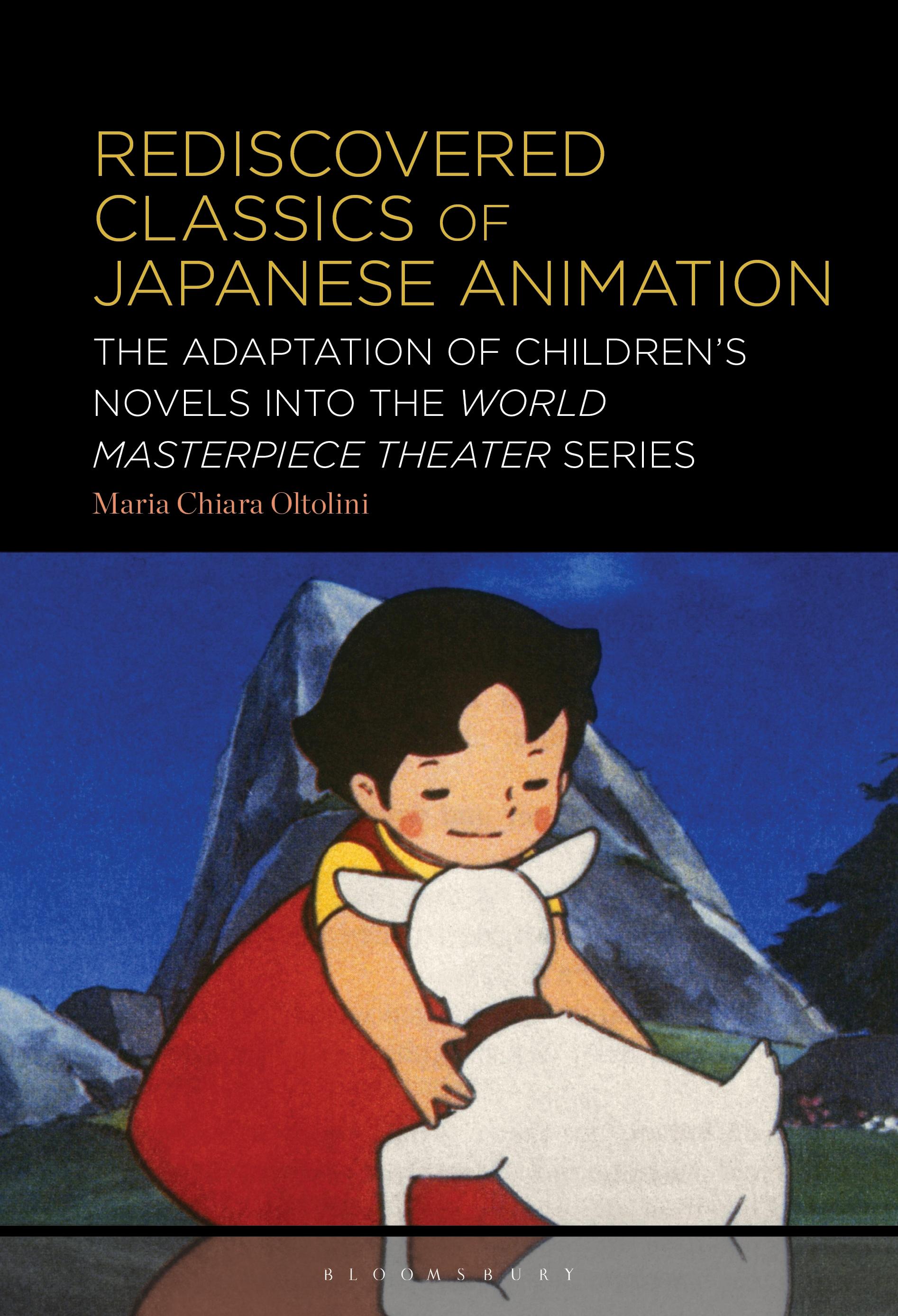
Rediscovered Classics of Japanese Animation is the first academic work to examine World Masterpiece Theater (Sekai Meisaku Gekijô, 1969-2009), which popularized the practice of adapting foreign children's books into long-running animated series and laid the groundwork for powerhouses like Studio Ghibli.
World Masterpiece Theater (Sekai Meisaku Gekijô, 1969-2009) is a TV staple created by the Japanese studio Nippon Animation, which popularized the practice of adapting foreign children's books into long-running animated series. Once generally dismissed by critics, the series is now frequently investigated as a key early work of legendary animators Isao Takahata and Hayao Miyazaki. In the first book-length examination of the series, Maria Chiara Oltolini analyzes cultural significance of World Masterpiece Theater, and the ways in which the series pioneered the importance of children's fiction for Japanese animation studios and laid the groundwork for powerhouses like Studio Ghibli.
Adapting a novel for animation also means decoding (and re-coding) socio-cultural patterns embedded in a narrative. World Masterpiece Theater stands as a unique example of this linguistic, medial, and cultural hybridisation. Popular children's classics such as Little Women, Peter Pan, and Anne of Green Gables became the starting point of a full-fledged negotiation process in which Japanese animators retold a whole range of narratives that have one basic formula in common: archetypal stories with an educational purpose. In particular, the series played a role in shaping the pop culture image of a young girl (shôjo).
Examining the series through the lens of animation studies as well as adaptation studies, Oltolini sheds new light on this long-neglected staple of Japanese animation history.
World Masterpiece Theater (Sekai Meisaku Gekijô, 1969-2009) is a TV staple created by the Japanese studio Nippon Animation, which popularized the practice of adapting foreign children's books into long-running animated series. Once generally dismissed by critics, the series is now frequently investigated as a key early work of legendary animators Isao Takahata and Hayao Miyazaki. In the first book-length examination of the series, Maria Chiara Oltolini analyzes cultural significance of World Masterpiece Theater, and the ways in which the series pioneered the importance of children's fiction for Japanese animation studios and laid the groundwork for powerhouses like Studio Ghibli.
Adapting a novel for animation also means decoding (and re-coding) socio-cultural patterns embedded in a narrative. World Masterpiece Theater stands as a unique example of this linguistic, medial, and cultural hybridisation. Popular children's classics such as Little Women, Peter Pan, and Anne of Green Gables became the starting point of a full-fledged negotiation process in which Japanese animators retold a whole range of narratives that have one basic formula in common: archetypal stories with an educational purpose. In particular, the series played a role in shaping the pop culture image of a young girl (shôjo).
Examining the series through the lens of animation studies as well as adaptation studies, Oltolini sheds new light on this long-neglected staple of Japanese animation history.
Sidor: 288
Kategori: Film- & Medievetenskap
e-ISBN: 9781501389894
Fraktvikt: 1.2 kg
Skickas inom: 1-2 dagar
Betala smidigt med kort, Klarna, Apple Pay eller Google Pay. Är du inte nöjd har du alltid 14 dagars ångerrätt. Läs mer i våra villkor. Har du några frågor, mejla oss på hello@memmo.org.
Memmo gör det enklare att plugga – var du än är i världen. Hos oss samlar du kursböcker och smarta studieverktyg på ett och samma ställe: sammanfattningar, quiz, poddar och flashcards. Och så Ted, din studiekompis som svarar på allt du undrar. Över 50 000 studenter pluggar redan här – byggt för att du ska lära dig snabbare och stressa mindre.