
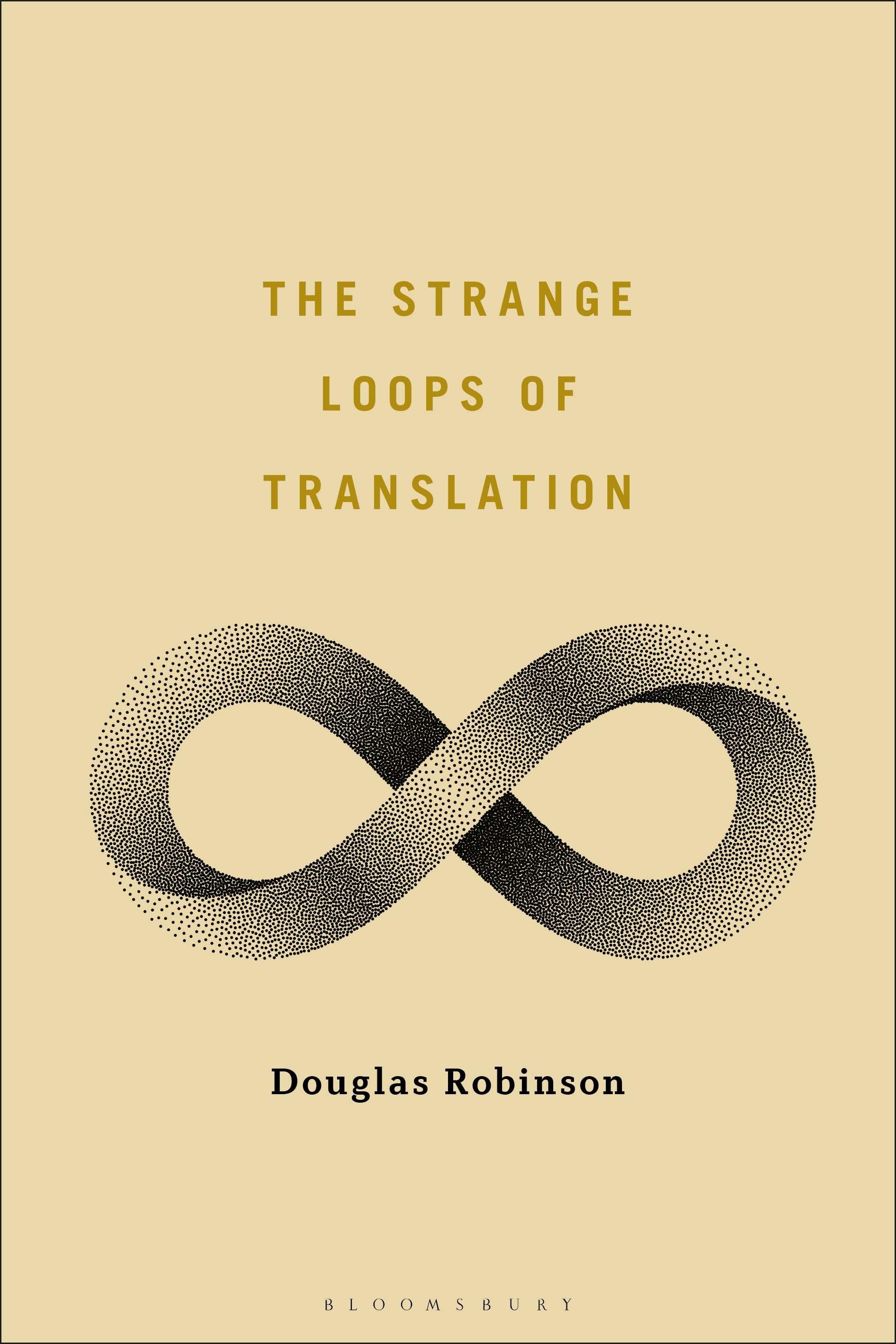
One of the most exciting theories to emerge from cognitive science research over the past few decades has been Douglas Hofstadter's notion of “strange loops,” from Gödel, Escher, Bach (1979). Hofstadter is also an active literary translator who has written about translation, perhaps most notably in his 1997 book Le Ton Beau de Marot, where he draws on his cognitive science research. And yet he has never considered the possibility that translation might itself be a strange loop.
In this book Douglas Robinson puts Hofstadter's strange-loops theory into dialogue with a series of definitive theories of translation, in the process showing just how cognitively and affectively complex an activity translation actually is.
In this book Douglas Robinson puts Hofstadter's strange-loops theory into dialogue with a series of definitive theories of translation, in the process showing just how cognitively and affectively complex an activity translation actually is.
Betala smidigt med kort, Klarna, Apple Pay eller Google Pay. Är du inte nöjd har du alltid 14 dagars ångerrätt. Läs mer i våra villkor. Har du några frågor, mejla oss på hello@memmo.org.
Memmo gör det enklare att plugga – var du än är i världen. Hos oss samlar du kursböcker och smarta studieverktyg på ett och samma ställe: sammanfattningar, quiz, poddar och flashcards. Och så Ted, din studiekompis som svarar på allt du undrar. Över 75 000 studenter pluggar redan här – byggt för att du ska lära dig snabbare och stressa mindre.