
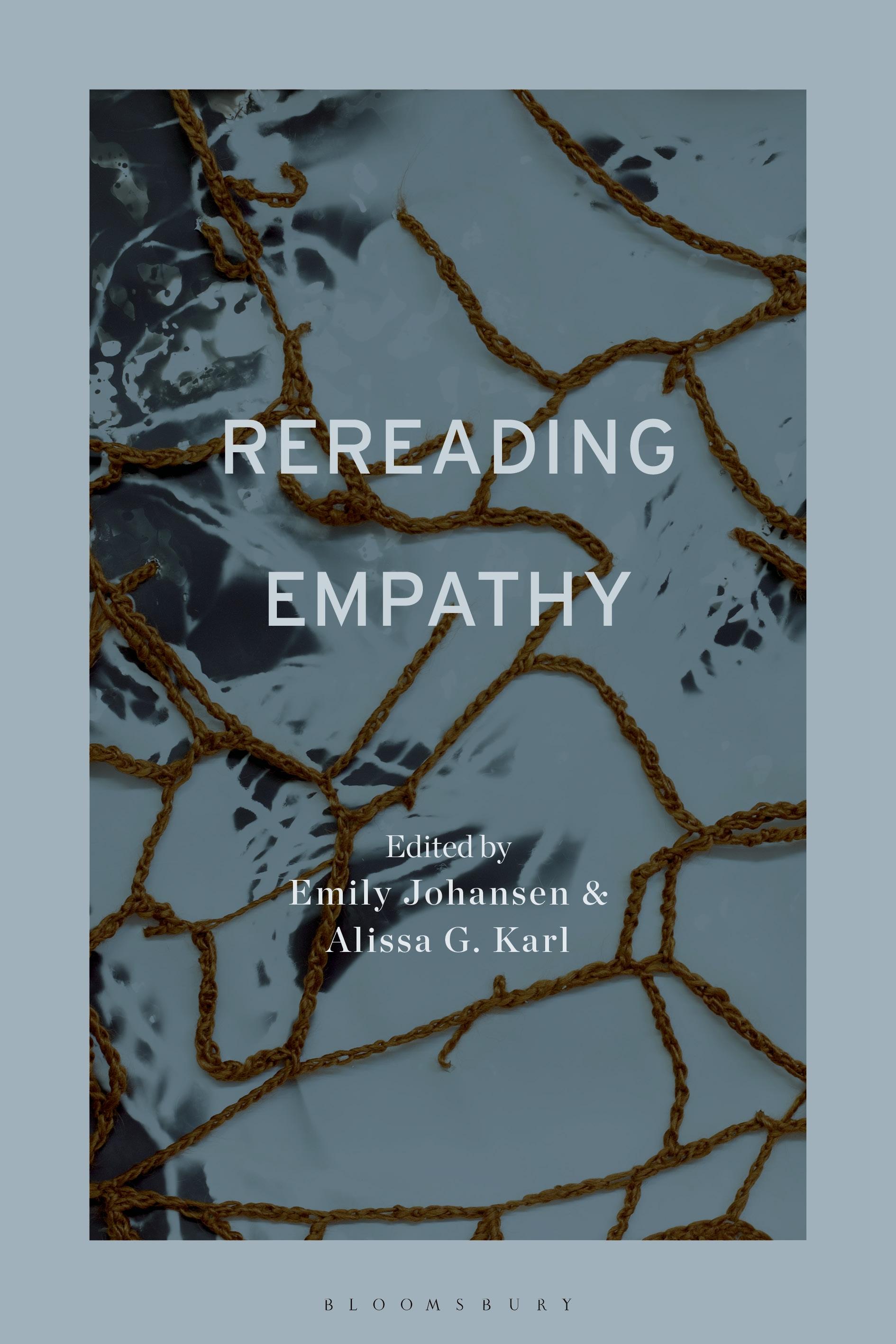
Over the last few decades and from across a spectrum of centrist political thought, a variety of academic disciplines, and numerous public intellectuals, the claim has been that we need to empathize more with marginalized people as a way to alleviate social inequalities. If we all had more skill with empathy, so the claim goes, we would all be better citizens. But what does it mean to empathize with others? How do we develop this skill? And what does it offer that older models of solidarity don't? Why empathy-and why now?
Rereading Empathy takes up these questions, examining the uses to which calls for empathy are put in the face of ever expanding economic and social precarity. The contributors draw on a variety of historical and contemporary literary and cultural archives to illustrate the work that empathy is supposed to enable-and to query alternative models of building collective futures.
Rereading Empathy takes up these questions, examining the uses to which calls for empathy are put in the face of ever expanding economic and social precarity. The contributors draw on a variety of historical and contemporary literary and cultural archives to illustrate the work that empathy is supposed to enable-and to query alternative models of building collective futures.
Betala smidigt med kort, Klarna, Apple Pay eller Google Pay. Är du inte nöjd har du alltid 14 dagars ångerrätt. Läs mer i våra villkor. Har du några frågor, mejla oss på hello@memmo.org.
Memmo gör det enklare att plugga – var du än är i världen. Hos oss samlar du kursböcker och smarta studieverktyg på ett och samma ställe: sammanfattningar, quiz, poddar och flashcards. Och så Ted, din studiekompis som svarar på allt du undrar. Över 50 000 studenter pluggar redan här – byggt för att du ska lära dig snabbare och stressa mindre.