
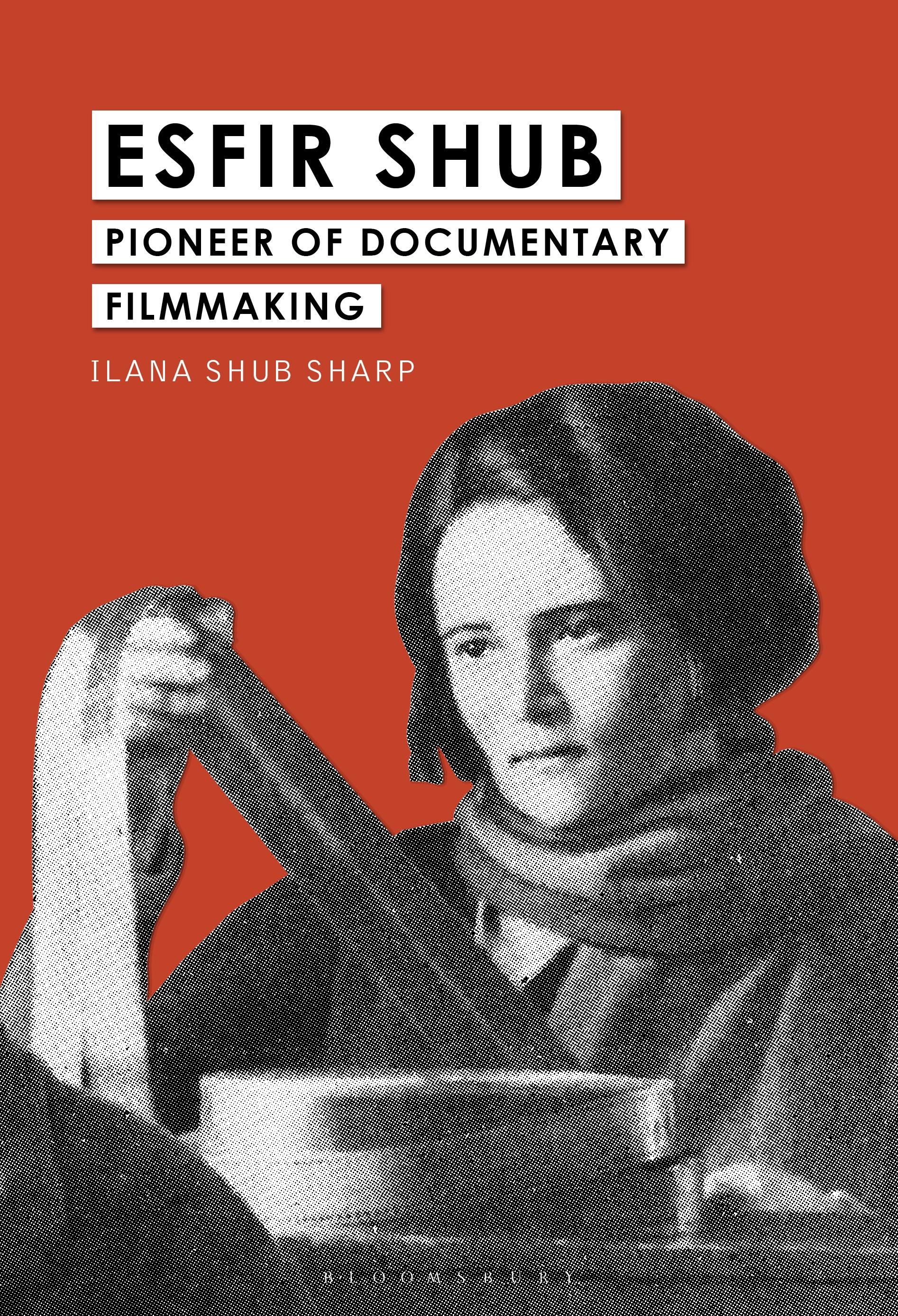
Esfir Shub was the only prominent female director of nonfiction film present at the dawning of the Soviet film industry. She was, in fact, the first woman both to write critical texts on cinema and then practically apply these theorisations in her own films. As such, her syncretism of cinema theory and praxis inspired her to ask questions regarding both the nature of nonfiction film, such as the problem of authenticity and reality, and the function of the artist in society; issues which are still relevant in contemporary discussions about the documentary.
Accordingly, this book demonstrates Shub's position not only as a significant filmmaker and recognised member of the early Soviet avant-garde but also as a key figure in global cinema history. Shub deserves recognition both as the founder and ardent promoter of the compilation film genre and as a pioneer of the theory and practice of documentary filmmaking.
Accordingly, this book demonstrates Shub's position not only as a significant filmmaker and recognised member of the early Soviet avant-garde but also as a key figure in global cinema history. Shub deserves recognition both as the founder and ardent promoter of the compilation film genre and as a pioneer of the theory and practice of documentary filmmaking.
Betala smidigt med kort, Klarna, Apple Pay eller Google Pay. Är du inte nöjd har du alltid 14 dagars ångerrätt. Läs mer i våra villkor. Har du några frågor, mejla oss på hello@memmo.org.
Memmo gör det enklare att plugga – var du än är i världen. Hos oss samlar du kursböcker och smarta studieverktyg på ett och samma ställe: sammanfattningar, quiz, poddar och flashcards. Och så Ted, din studiekompis som svarar på allt du undrar. Över 50 000 studenter pluggar redan här – byggt för att du ska lära dig snabbare och stressa mindre.