
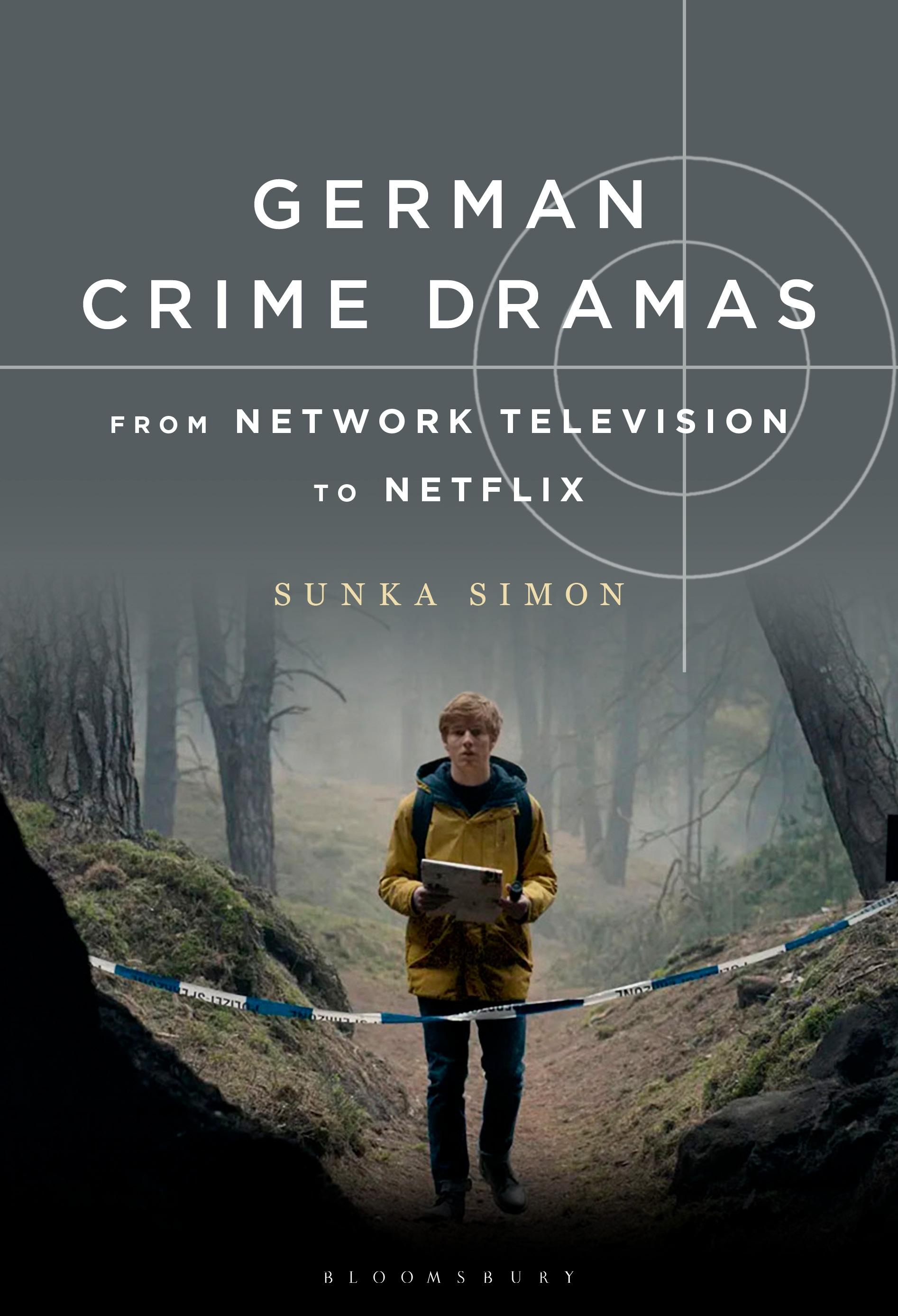
German Crime Dramas from Network Television to Netflix approaches German television crime dramas to uncover the intersections between the genre's media-specific network and post-network formats and how these negotiate with and contribute to concepts of the regional, national, and global.
Part I concentrates on the ARD network's long-running flagship series Tatort (Crime Scene 1970-). Because the domestically produced crime drama succeeded in interacting with and competing against dominant U.S. formats during 3 different mediascapes, it offers strategic lessons for post-network television. Situating 9 Tatort episodes in their televisual moment within the Sunday evening flow over 38 years and 3 different German regions reveals how producers, writers, directors, critics, and audiences interacted not only with the cultural socio-political context, but also responded to the challenges aesthetically, narratively, and media-reflexively.
Part II explores how post-2017 German crime dramas (Babylon Berlin, Dark, Perfume, and Dogs of Berlin) rework the genre's formal and narrative conventions for global circulation on Netflix. Each chapter concentrates on the dynamic interplay between time-shifted viewing, transmedia storytelling, genre hybridity, and how these interact with projections of cultural specificity and continue or depart from established network practices. The results offer crucial information and inspiration for producers and executives, for creative teams, program directors, and television scholars.
Part I concentrates on the ARD network's long-running flagship series Tatort (Crime Scene 1970-). Because the domestically produced crime drama succeeded in interacting with and competing against dominant U.S. formats during 3 different mediascapes, it offers strategic lessons for post-network television. Situating 9 Tatort episodes in their televisual moment within the Sunday evening flow over 38 years and 3 different German regions reveals how producers, writers, directors, critics, and audiences interacted not only with the cultural socio-political context, but also responded to the challenges aesthetically, narratively, and media-reflexively.
Part II explores how post-2017 German crime dramas (Babylon Berlin, Dark, Perfume, and Dogs of Berlin) rework the genre's formal and narrative conventions for global circulation on Netflix. Each chapter concentrates on the dynamic interplay between time-shifted viewing, transmedia storytelling, genre hybridity, and how these interact with projections of cultural specificity and continue or depart from established network practices. The results offer crucial information and inspiration for producers and executives, for creative teams, program directors, and television scholars.
Betala smidigt med kort, Klarna, Apple Pay eller Google Pay. Är du inte nöjd har du alltid 14 dagars ångerrätt. Läs mer i våra villkor. Har du några frågor, mejla oss på hello@memmo.org.
Memmo gör det enklare att plugga – var du än är i världen. Hos oss samlar du kursböcker och smarta studieverktyg på ett och samma ställe: sammanfattningar, quiz, poddar och flashcards. Och så Ted, din studiekompis som svarar på allt du undrar. Över 50 000 studenter pluggar redan här – byggt för att du ska lära dig snabbare och stressa mindre.