
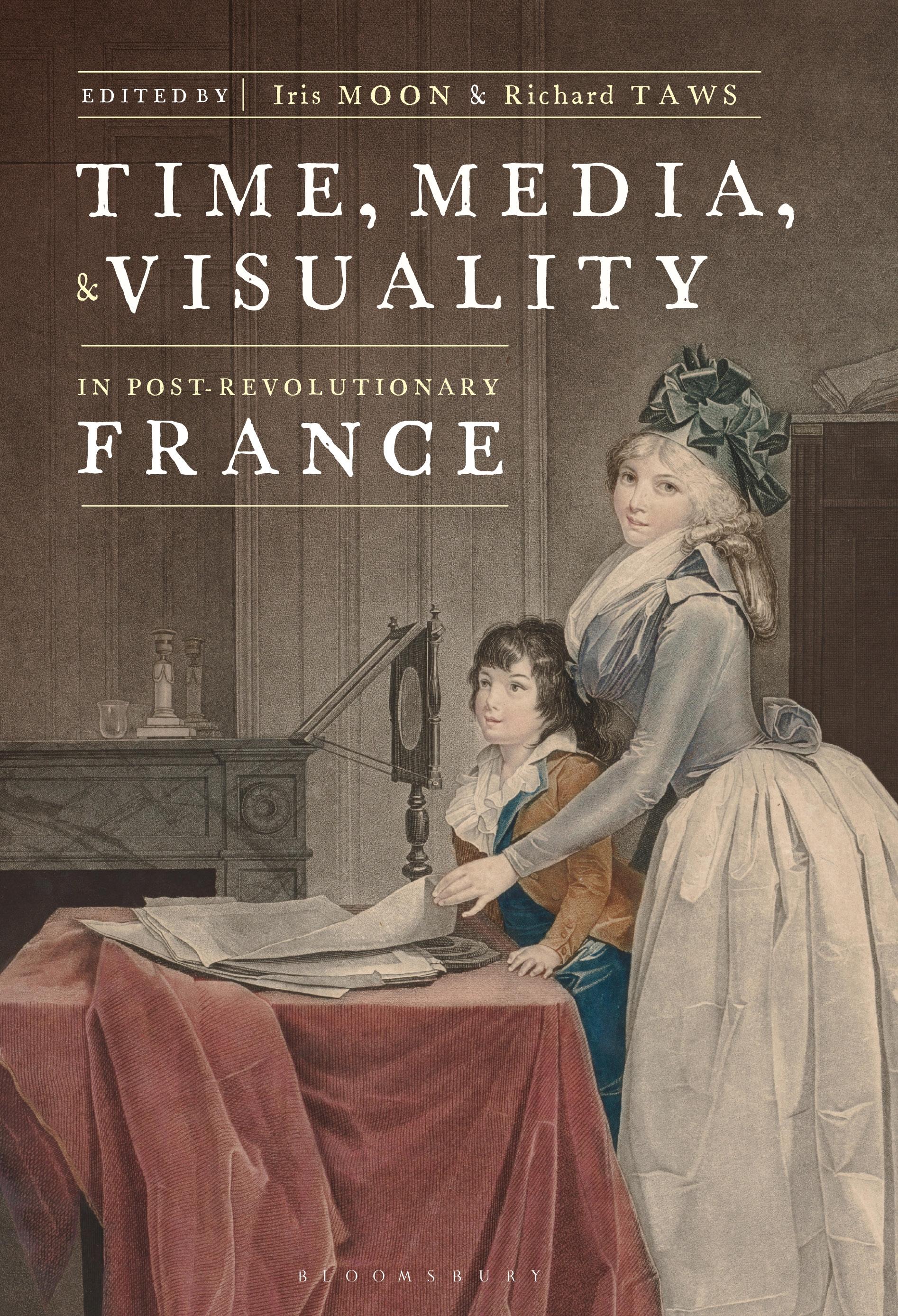
The radical break with the past heralded by the French Revolution in 1789 has become one of the mythic narratives of our time. Yet in the drawn-out afterlife of the Revolution, and through subsequent periods of Empire, Restoration, and Republic, the question of what such a temporal transformation might involve found complex, often unresolved expression in visual and material culture.
This diverse collection of essays draws attention to the eclectic objects and forms of visuality that emerged in France from the beginning of the French Revolution through to the end of the July Monarchy in 1848. It offers a new account of the story of French art's modernity by exploring the work of genre painters and miniaturists, sign-painters and animal artists, landscapists, architects, and printmakers, as they worked out what it meant to be “post-revolutionary.”
This diverse collection of essays draws attention to the eclectic objects and forms of visuality that emerged in France from the beginning of the French Revolution through to the end of the July Monarchy in 1848. It offers a new account of the story of French art's modernity by exploring the work of genre painters and miniaturists, sign-painters and animal artists, landscapists, architects, and printmakers, as they worked out what it meant to be “post-revolutionary.”
Betala smidigt med kort, Klarna, Apple Pay eller Google Pay. Är du inte nöjd har du alltid 14 dagars ångerrätt. Läs mer i våra villkor. Har du några frågor, mejla oss på hello@memmo.org.
Memmo gör det enklare att plugga – var du än är i världen. Hos oss samlar du kursböcker och smarta studieverktyg på ett och samma ställe: sammanfattningar, quiz, poddar och flashcards. Och så Ted, din studiekompis som svarar på allt du undrar. Över 75 000 studenter pluggar redan här – byggt för att du ska lära dig snabbare och stressa mindre.