
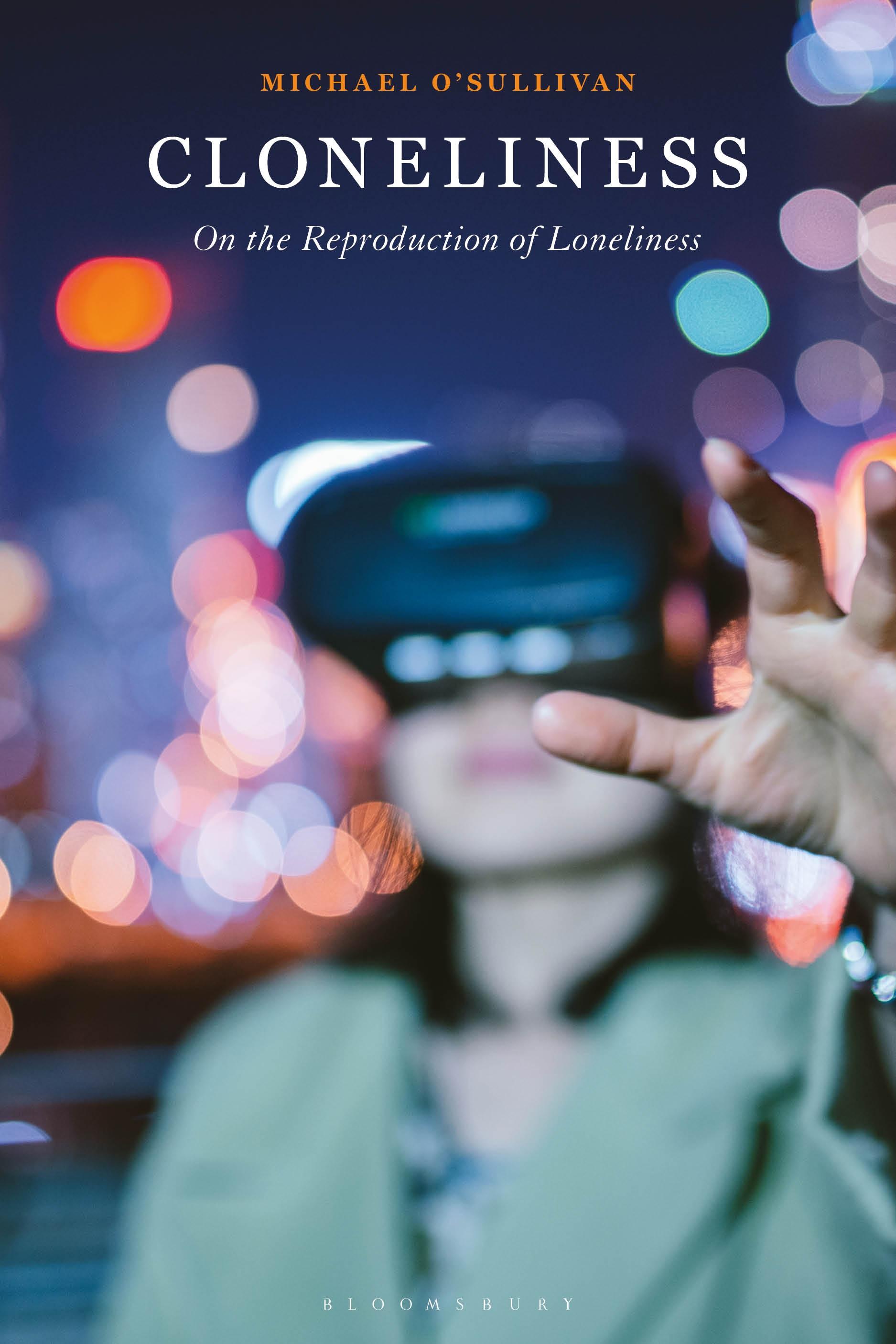
Recent posthuman philosophies, human-computer interface studies, and technology-inspired biopolitical discourses and practices are reinventing and reimagining loneliness in different communities.
Cloneliness: The Reproduction of Loneliness takes a cross-cultural approach to loneliness by examining 20th-century artistic expressions and examinations of loneliness in the context of more recent global expressions grounded in social networks, virtual reality, the biopolitical commons, academic credentialization and such practices as Hikikomori. Newer forms of loneliness, pushed by the algorithms of biopolitical capitalism, result in what this books calls "cloneliness." Michael O'Sullivan plots the transformation in loneliness in literature and philosophy in readings that take us from Henry James and such classic works as Frank O'Connor's The Lonely Voice and Richard Yates's Eleven Kinds of Loneliness to more recent expressions in such writers as David Foster Wallace, Yiyun Li, and Sayaka Murata.
Michael O'Sullivan argues that cloneliness as an institutional practice of reproduction in society nurtures, normalizes, and reproduces loneliness in order to create subjects who are more willing to accept ideologies of competition, “extreme individualism,” and the stresses of being "interconnected loners."
Cloneliness: The Reproduction of Loneliness takes a cross-cultural approach to loneliness by examining 20th-century artistic expressions and examinations of loneliness in the context of more recent global expressions grounded in social networks, virtual reality, the biopolitical commons, academic credentialization and such practices as Hikikomori. Newer forms of loneliness, pushed by the algorithms of biopolitical capitalism, result in what this books calls "cloneliness." Michael O'Sullivan plots the transformation in loneliness in literature and philosophy in readings that take us from Henry James and such classic works as Frank O'Connor's The Lonely Voice and Richard Yates's Eleven Kinds of Loneliness to more recent expressions in such writers as David Foster Wallace, Yiyun Li, and Sayaka Murata.
Michael O'Sullivan argues that cloneliness as an institutional practice of reproduction in society nurtures, normalizes, and reproduces loneliness in order to create subjects who are more willing to accept ideologies of competition, “extreme individualism,” and the stresses of being "interconnected loners."
Betala smidigt med kort, Klarna, Apple Pay eller Google Pay. Är du inte nöjd har du alltid 14 dagars ångerrätt. Läs mer i våra villkor. Har du några frågor, mejla oss på hello@memmo.org.
Memmo gör det enklare att plugga – var du än är i världen. Hos oss samlar du kursböcker och smarta studieverktyg på ett och samma ställe: sammanfattningar, quiz, poddar och flashcards. Och så Ted, din studiekompis som svarar på allt du undrar. Över 50 000 studenter pluggar redan här – byggt för att du ska lära dig snabbare och stressa mindre.