
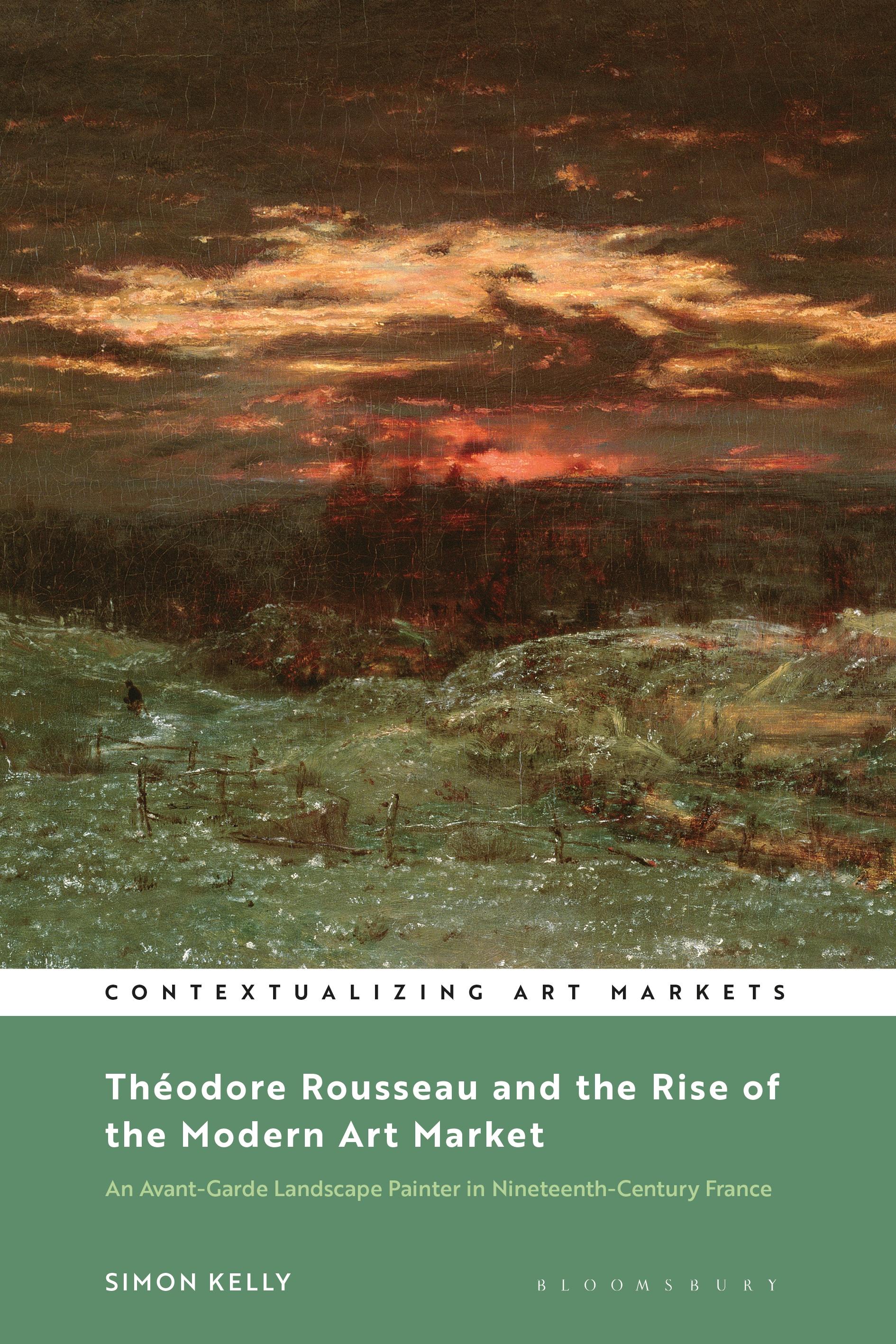
The 19th century in France witnessed the emergence of the structures of the modern art market that remain until this day. This book examines the relationship between the avant-garde Barbizon landscape painter, Théodore Rousseau (1812-1867), and this market, exploring the constellation of patrons, art dealers and critics who surrounded the artist. It argues for the pioneering role of Rousseau, his patrons and his public in the origins of the modern art market, and, in so doing, shifts attention away from the more traditional focus on the novel careers of the Impressionists and their supporters. Drawing on extensive archival research, the book provides new insight into the role of the modern artist as professional. It provides a new understanding of the complex iconographical and formal choices within Rousseau's work, rediscovering the original radical charge that once surrounded the artist's work and led to extensive and peculiarly modern tensions with the market place.
Betala smidigt med kort, Klarna, Apple Pay eller Google Pay. Är du inte nöjd har du alltid 14 dagars ångerrätt. Läs mer i våra villkor. Har du några frågor, mejla oss på hello@memmo.org.
Memmo gör det enklare att plugga – var du än är i världen. Hos oss samlar du kursböcker och smarta studieverktyg på ett och samma ställe: sammanfattningar, quiz, poddar och flashcards. Och så Ted, din studiekompis som svarar på allt du undrar. Över 50 000 studenter pluggar redan här – byggt för att du ska lära dig snabbare och stressa mindre.