
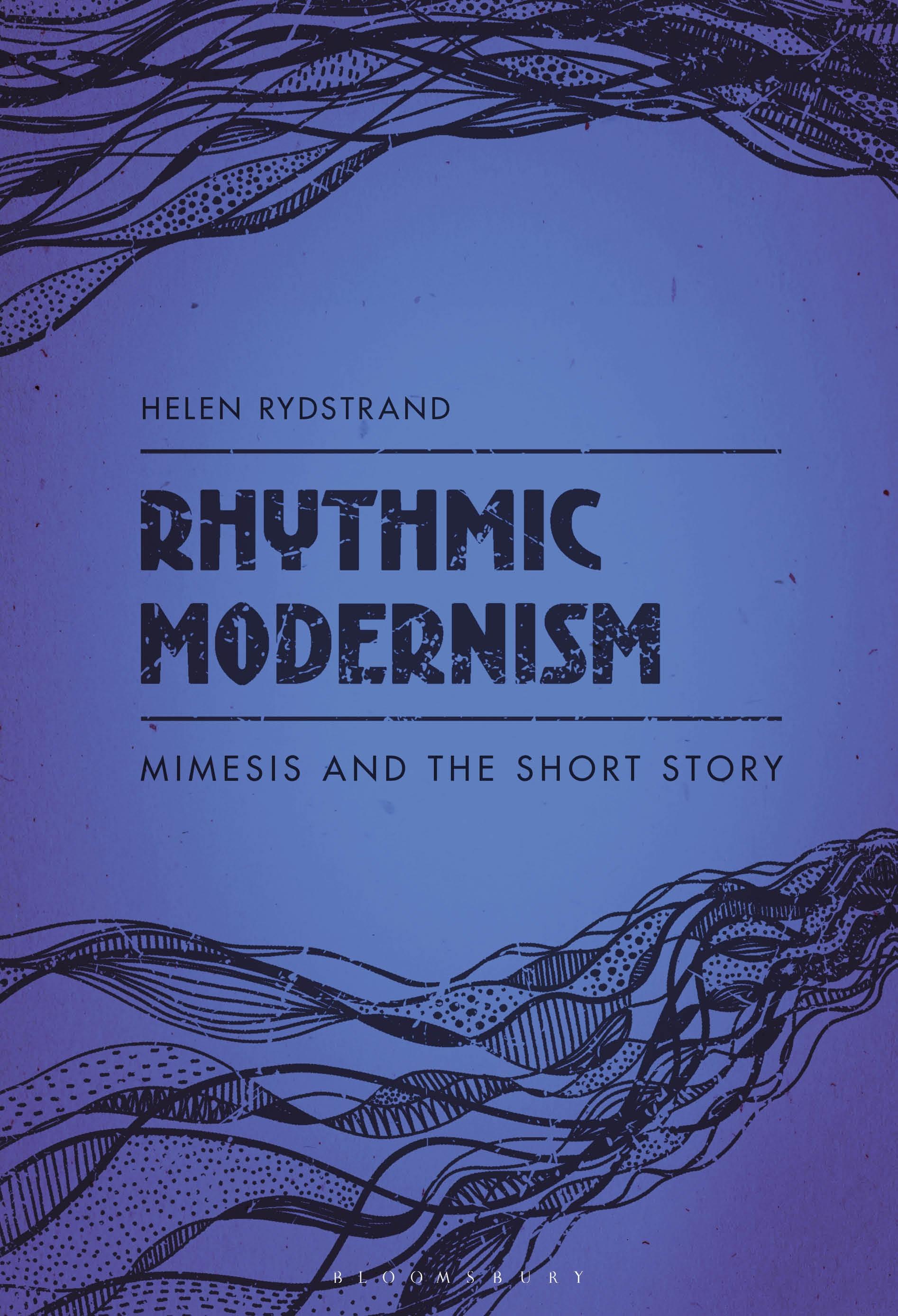
Contrary to the common view that cultural modernism is a broadly anti-mimetic movement, one which turned away from traditional artistic goals of representing the world, Rhythmic Modernism argues that rhythm and mimesis are central to modernist aesthetics. Through detailed close readings of non-fiction and short stories, Helen Rydstrand shows that textual rhythms comprised the substance of modernist mimesis. Rhythmic Modernism demonstrates how many modernist writers, such as D. H. Lawrence, Katherine Mansfield and Virginia Woolf, were profoundly invested in mimicking a substratum of existence that was conceived as rhythmic, each displaying a fascination with rhythm, both as a formal device and as a vital, protean concept that helped to make sense of the complex modern world.
Betala smidigt med kort, Klarna, Apple Pay eller Google Pay. Är du inte nöjd har du alltid 14 dagars ångerrätt. Läs mer i våra villkor. Har du några frågor, mejla oss på hello@memmo.org.
Memmo gör det enklare att plugga – var du än är i världen. Hos oss samlar du kursböcker och smarta studieverktyg på ett och samma ställe: sammanfattningar, quiz, poddar och flashcards. Och så Ted, din studiekompis som svarar på allt du undrar. Över 50 000 studenter pluggar redan här – byggt för att du ska lära dig snabbare och stressa mindre.