
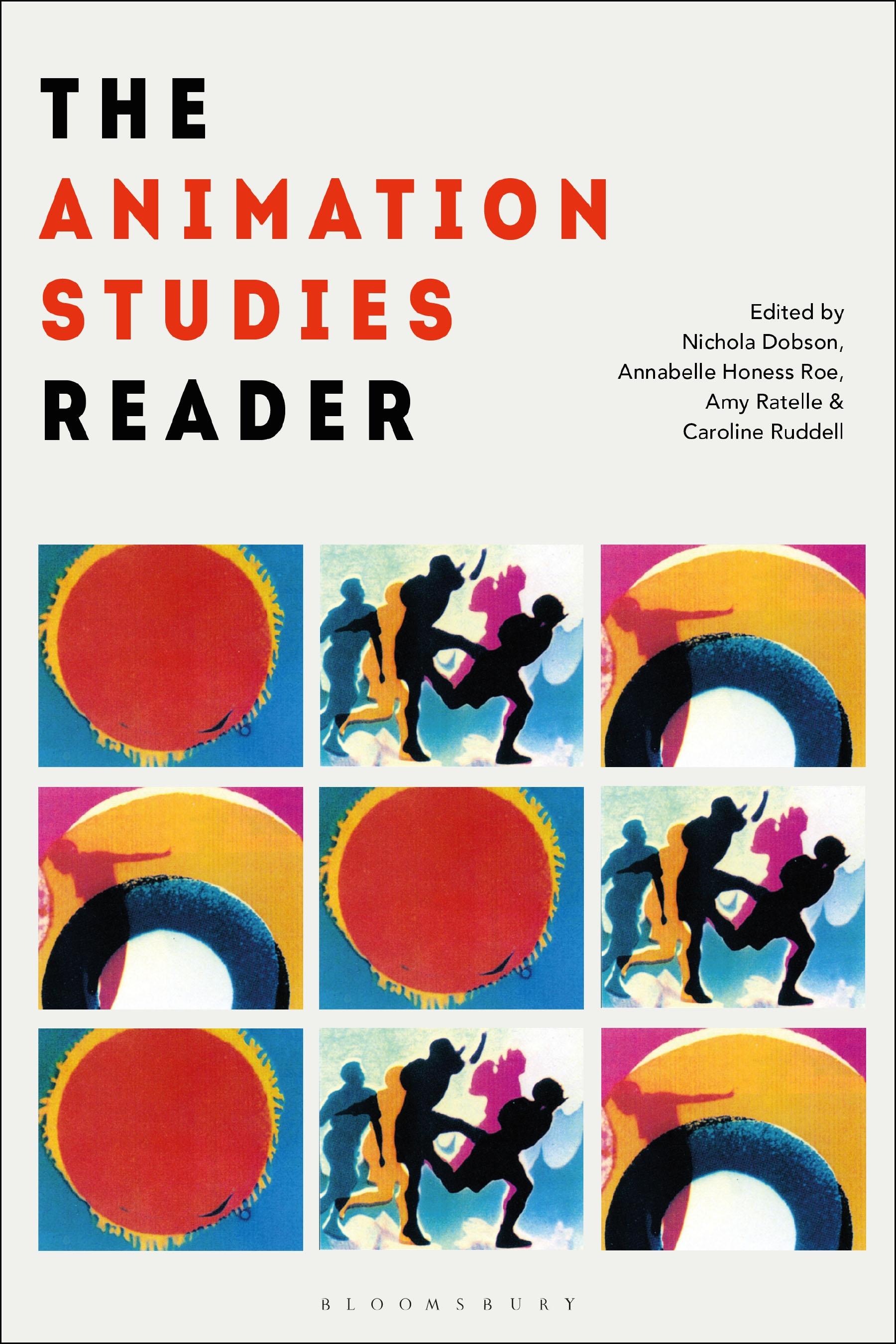
The Animation Studies Reader brings together both key writings within animation studies and new material in emerging areas of the field. The collection provides readers with seminal texts that ground animation studies within the contexts of theory and aesthetics, form and genre, and issues of representation. The first section collates key readings on animation theory, on how we might conceptualise animation, and on some of the fundamental qualities of animation. New material is also introduced in this section specifically addressing questions raised by the nature, style and materiality of animation. The second section outlines some of the main forms that animation takes, which includes discussions of genre. Although this section cannot be exhaustive, the material chosen is particularly useful as it provides samples of analysis that can illuminate some of the issues the first section of the book raises. The third section focuses on issues of representation and how the medium of animation might have an impact on how bodies, gender, sexuality, race and ethnicity are represented. These representations can only be read through an understanding of the questions that the first two sections of the book raise; we can only decode these representations if we take into account form and genre, and theoretical conceptualisations such as visual pleasure, spectacle, the uncanny, realism etc.
Betala smidigt med kort, Klarna, Apple Pay eller Google Pay. Är du inte nöjd har du alltid 14 dagars ångerrätt. Läs mer i våra villkor. Har du några frågor, mejla oss på hello@memmo.org.
Memmo gör det enklare att plugga – var du än är i världen. Hos oss samlar du kursböcker och smarta studieverktyg på ett och samma ställe: sammanfattningar, quiz, poddar och flashcards. Och så Ted, din studiekompis som svarar på allt du undrar. Över 50 000 studenter pluggar redan här – byggt för att du ska lära dig snabbare och stressa mindre.