
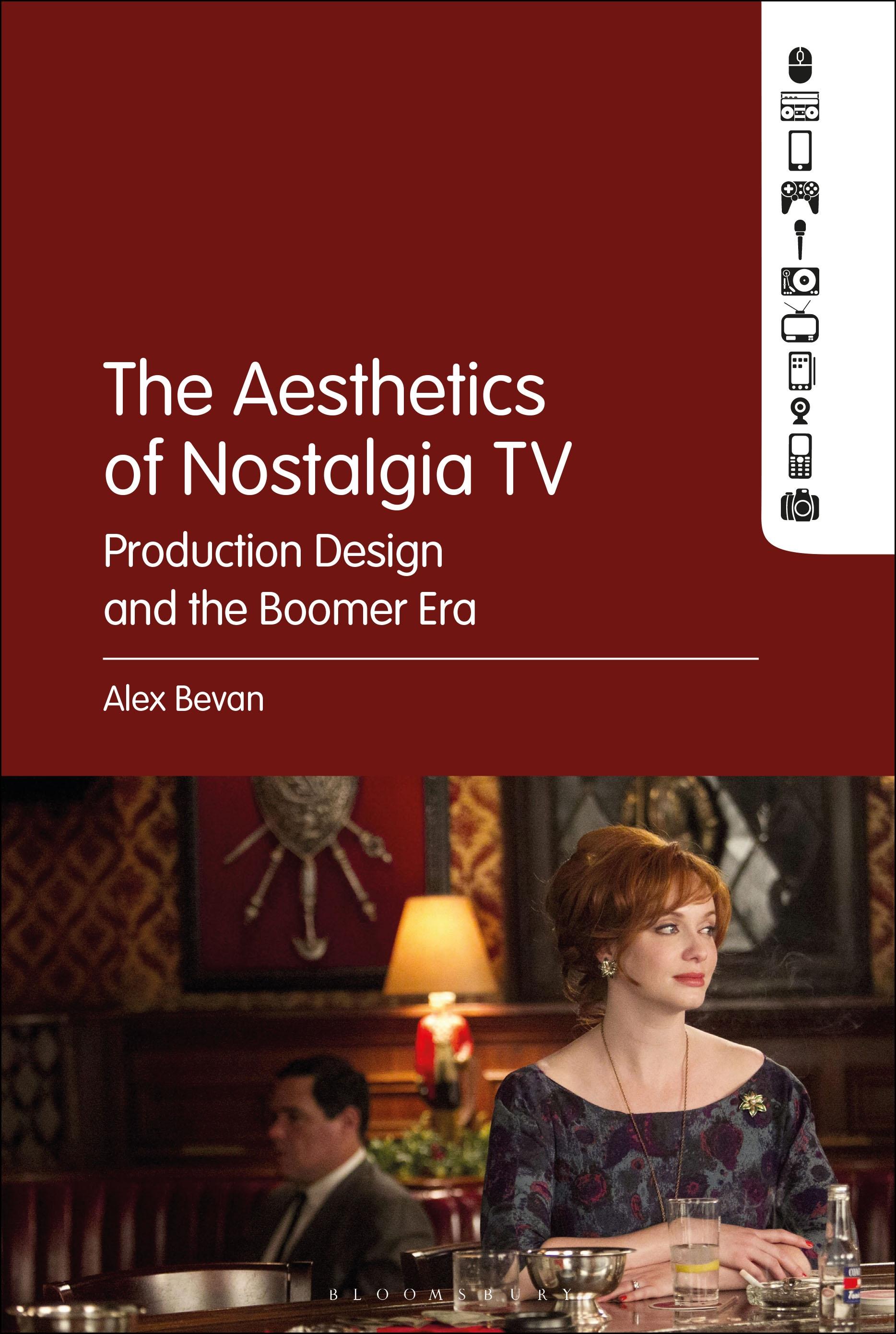
The Aesthetics of Nostalgia TV explores the aesthetic politics of nostalgia for 1950s and 60s America on contemporary television. Specifically, it looks at how nostalgic TV production design shapes and is shaped by larger historical discourses on gender and technological change, and America's perceived decline as a global power. Alex Bevan argues that the aesthetics of nostalgic TV tell stories of their own about historical decline and progress, and the place of the baby boomer television suburb in American national memory. She contests theories on nostalgia that see it as stagnating, regressive, or a reversion to outdated gender and racial politics, and the technophobic longing for a bygone era; and, instead, argues nostalgia is an important form of historical memory and vehicle for negotiating periods of historical transition. The book addresses how and why the shows construct the boomer era as a placeholder for gender, racial, technological, and declensionist discourses of the present. The book uses Mad Men (AMC, 2007-2015), Ugly Betty (ABC, 2006-2010), Desperate Housewives (ABC, 2004-2012), and film remakes of 1950s and 60s family sitcoms as primary case studies.
Betala smidigt med kort, Klarna, Apple Pay eller Google Pay. Är du inte nöjd har du alltid 14 dagars ångerrätt. Läs mer i våra villkor. Har du några frågor, mejla oss på hello@memmo.org.
Memmo gör det enklare att plugga – var du än är i världen. Hos oss samlar du kursböcker och smarta studieverktyg på ett och samma ställe: sammanfattningar, quiz, poddar och flashcards. Och så Ted, din studiekompis som svarar på allt du undrar. Över 50 000 studenter pluggar redan här – byggt för att du ska lära dig snabbare och stressa mindre.