
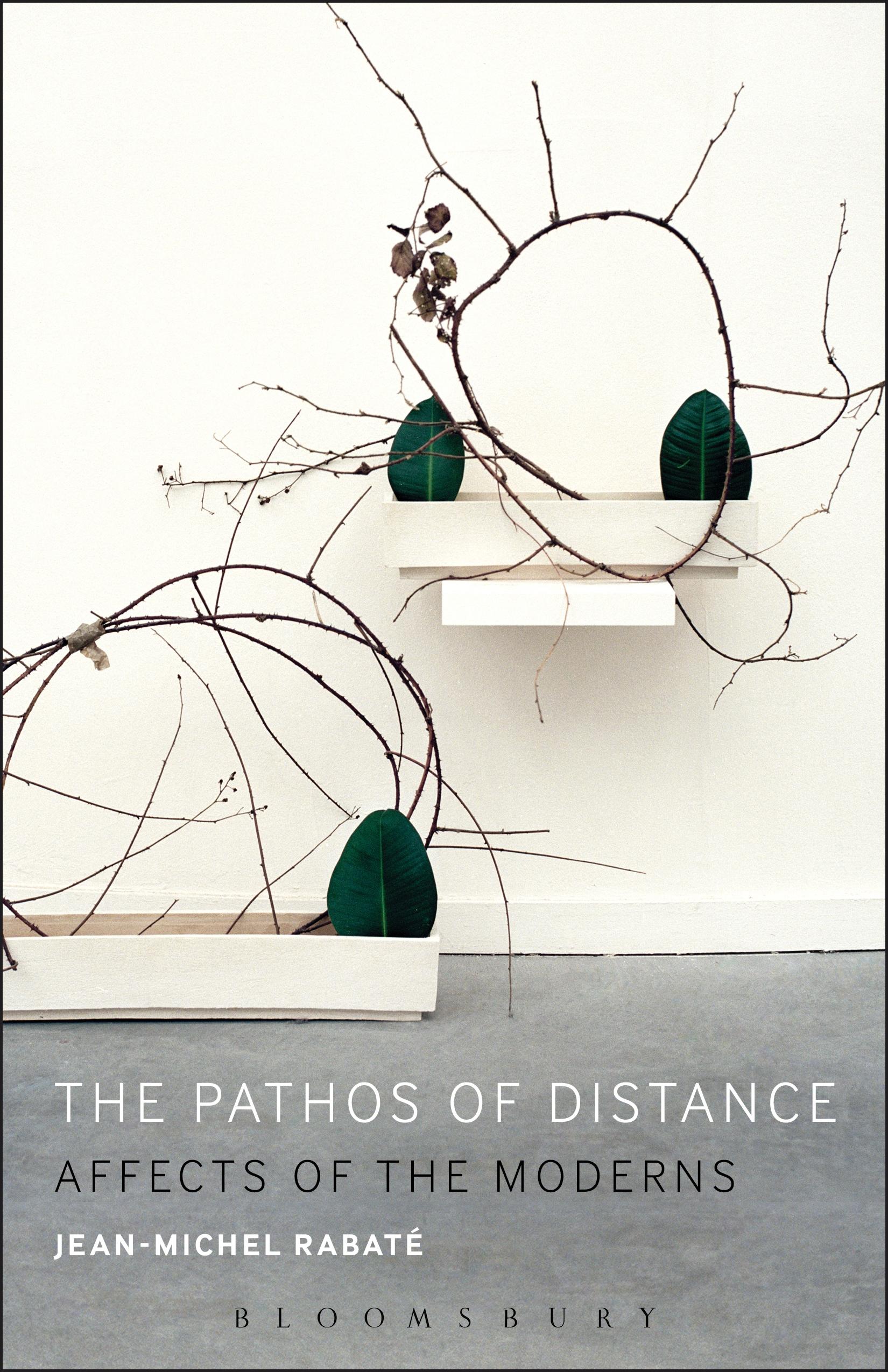
Jean-Michel Rabaté uses Nietzsche's image of a “pathos of distance,” the notion that values are created by a few gifted and lofty individuals, as the basis for a wide-ranging investigation into the ethics of the moderns. Revealing overlooked connections between Nietzsche's and Benjamin's ideas of history and ethics, Rabaté provides an original genealogy for modernist thought, moving through figures and moments as varied as Yeats and the birth of Irish Modernism, the ethics of courage in Virginia Woolf, Rilke, Apollinaire, and others in 1910, T. S. Eliot's post-war despair, Jean Cocteau's formidable selfmythology in his first film The Blood of a Poet, Siri Hustvedt's novel of American trauma, and J. M. Coetzee's dystopia portraying an affectless future haunted by a messianic promise.
Betala smidigt med kort, Klarna, Apple Pay eller Google Pay. Är du inte nöjd har du alltid 14 dagars ångerrätt. Läs mer i våra villkor. Har du några frågor, mejla oss på hello@memmo.org.
Memmo gör det enklare att plugga – var du än är i världen. Hos oss samlar du kursböcker och smarta studieverktyg på ett och samma ställe: sammanfattningar, quiz, poddar och flashcards. Och så Ted, din studiekompis som svarar på allt du undrar. Över 50 000 studenter pluggar redan här – byggt för att du ska lära dig snabbare och stressa mindre.