
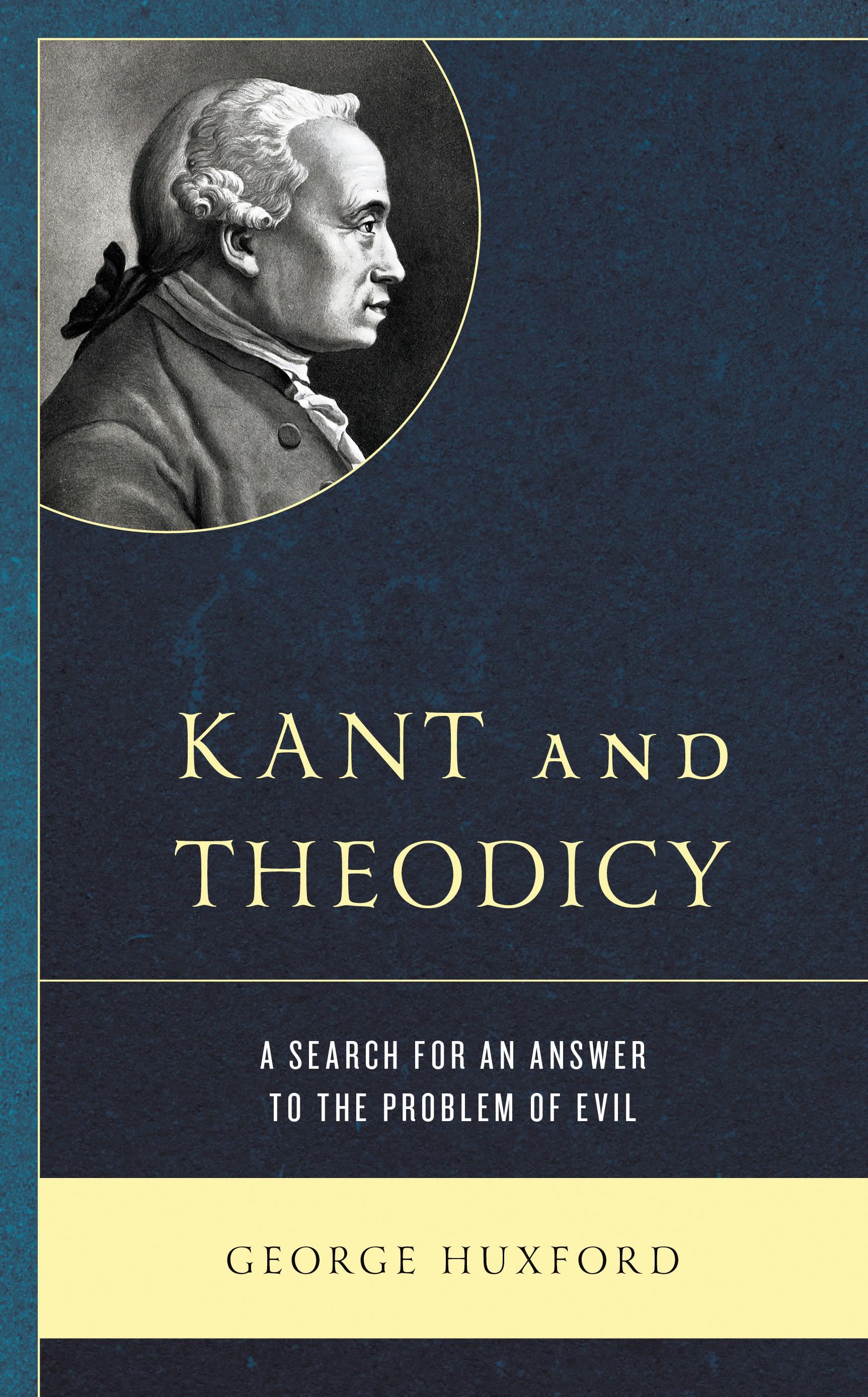
In Kant and Theodicy: A Search for an Answer to the Problem of Evil, George Huxford proves that Kant’s engagement with theodicy was career-long and not confined to his short 1791 treatise that dealt explicitly with the subject. Huxford treats Kant’s developing thought on theodicy in three periods: pre-Critical (exploration), early-Critical (transition), and late-Critical (conclusion). Illustrating the advantage of approaching Kant through this framework, Huxford argues that Kant’s stance developed through his career into his own unique authentic theodicy; Kant rejected philosophical theodicies based on theoretical/speculative reason but advanced authentic theodicy grounded in practical reason, finding a middle ground between philosophical theodicy and fideism, both of which he rejected. Nevertheless, Huxford concludes that Kant’s authentic theodicy fails because it fails to meet his own definition of a theodicy.
Betala smidigt med kort, Klarna, Apple Pay eller Google Pay. Är du inte nöjd har du alltid 14 dagars ångerrätt. Läs mer i våra villkor. Har du några frågor, mejla oss på hello@memmo.org.
Memmo gör det enklare att plugga – var du än är i världen. Hos oss samlar du kursböcker och smarta studieverktyg på ett och samma ställe: sammanfattningar, quiz, poddar och flashcards. Och så Ted, din studiekompis som svarar på allt du undrar. Över 50 000 studenter pluggar redan här – byggt för att du ska lära dig snabbare och stressa mindre.