
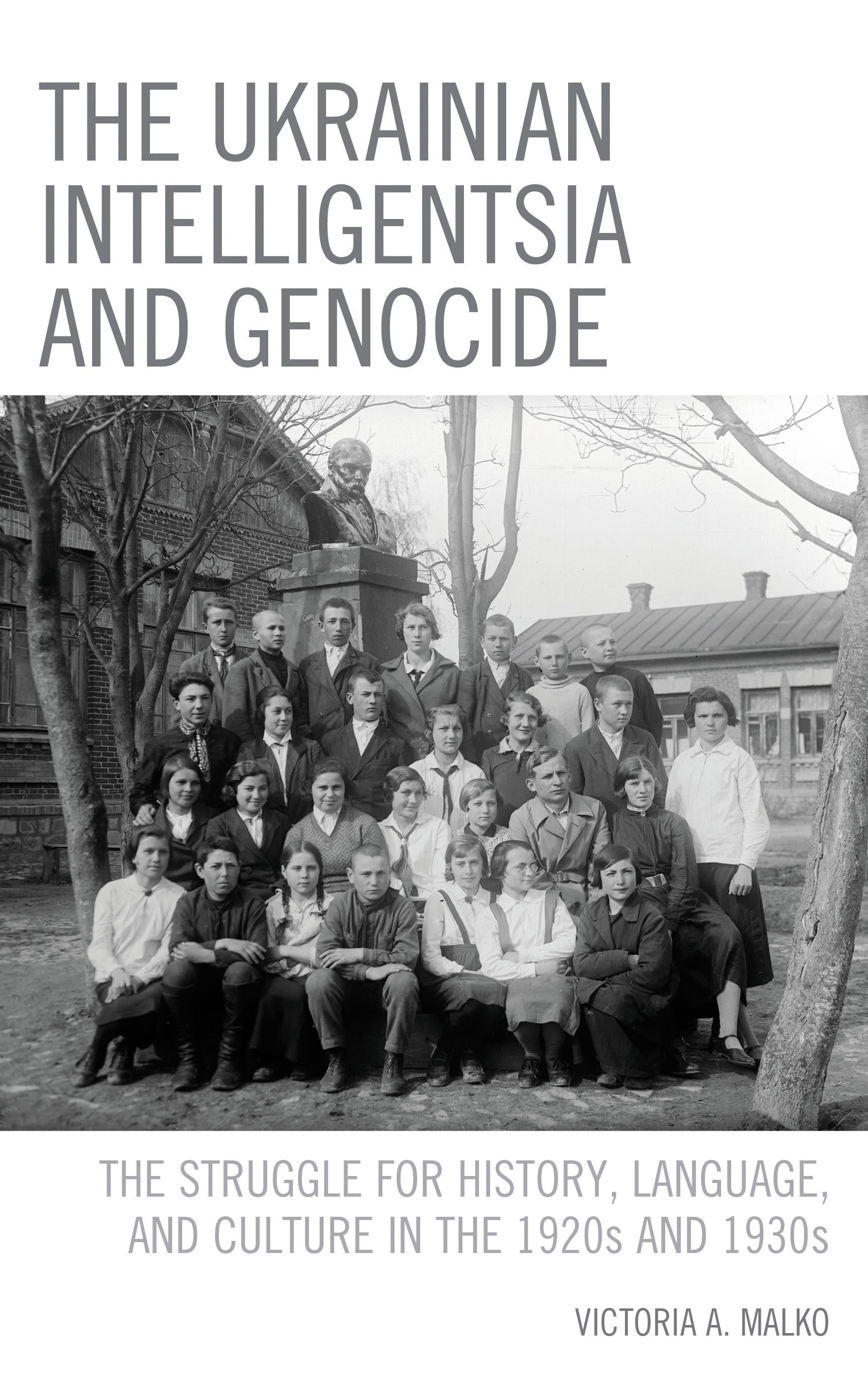
This study focuses on the first group targeted in the genocide known as the Holodomor: Ukrainian intelligentsia, the “brain of the nation,” using the words of Raphael Lemkin, who coined the term genocide and enshrined it in international law. The study’s author examines complex and devastating effects of the Holodomor on Ukrainian society during the 1920–1930s. Members of intelligentsia had individual and professional responsibilities. They resisted, but eventually they were forced to serve the Soviet regime. Ukrainian intelligentsia were virtually wiped out, most of its writers and a third of its teachers. The remaining cadres faced a choice without a choice if they wanted to survive. The author analyzes how and why this process occurred and what role intellectuals, especially teachers, played in shaping, contesting, and inculcating history. Crucially, the author challenges Western perceptions of the all-Union famine that was allegedly caused by ad hoc collectivization policies, highlighting the intentional nature of the famine as a tool of genocide, persecution, and prosecution of the nationally conscious Ukrainian intelligentsia, clergy, and grain growers. The author demonstrates the continuity between Stalinist and neo-Stalinist attempts to prevent the crystallization of the nation and subvert Ukraine from within by non-lethal and lethal means.
Betala smidigt med kort, Klarna, Apple Pay eller Google Pay. Är du inte nöjd har du alltid 14 dagars ångerrätt. Läs mer i våra villkor. Har du några frågor, mejla oss på hello@memmo.org.
Memmo gör det enklare att plugga – var du än är i världen. Hos oss samlar du kursböcker och smarta studieverktyg på ett och samma ställe: sammanfattningar, quiz, poddar och flashcards. Och så Ted, din studiekompis som svarar på allt du undrar. Över 50 000 studenter pluggar redan här – byggt för att du ska lära dig snabbare och stressa mindre.