
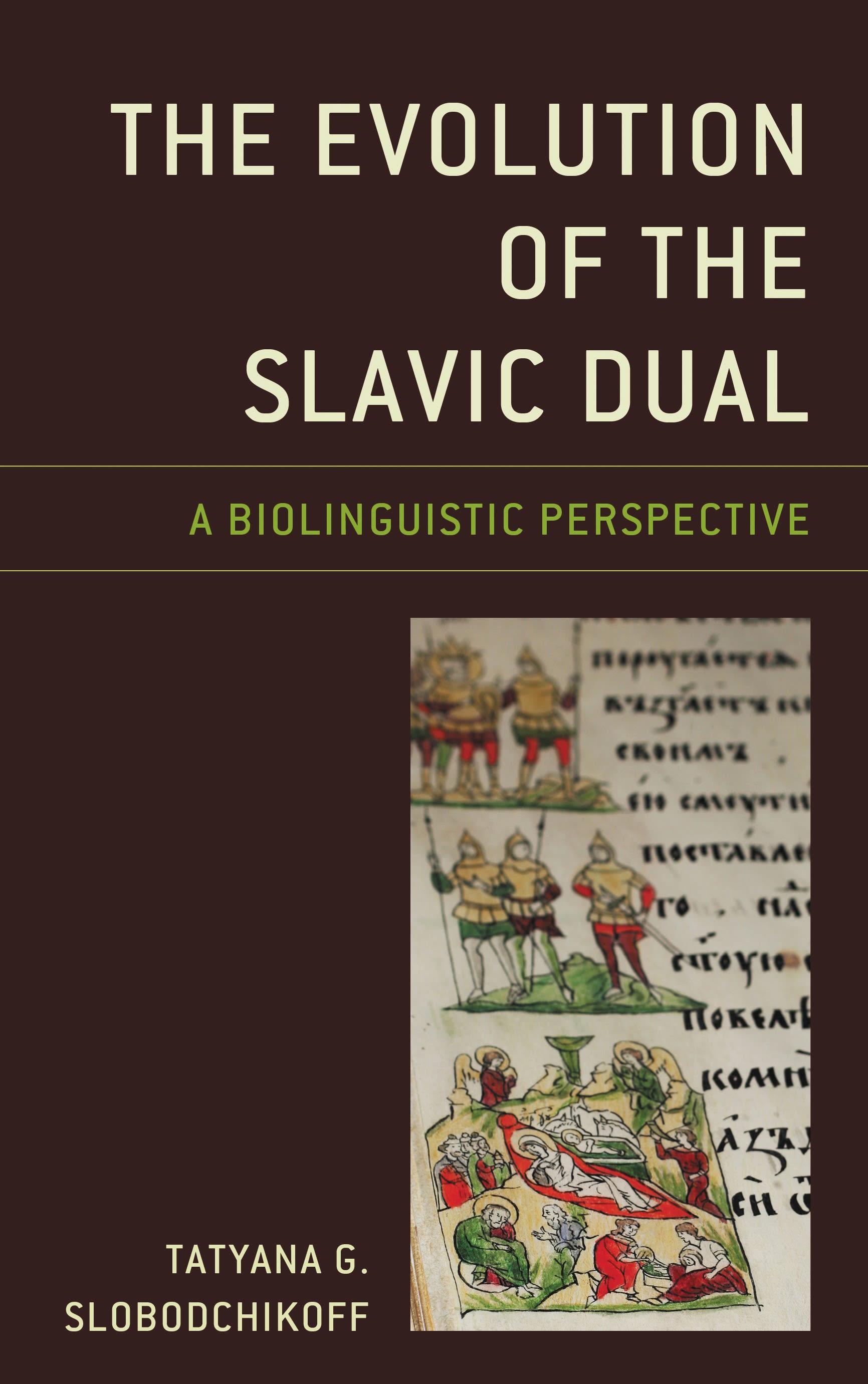
The dual number in Slavic has always puzzled linguists. While some Slavic languages, such as Slovenian, have three distinct categories of number--singular (1), dual (2), and plural (3 or more) –other Slavic languages, such as Russian, have no dual number. Considering that all Slavic languages have evolved from a common Proto Slavic language, it is puzzling that there is such a difference in the category of number. In The Evolution of the Slavic Dual: A Biolinguistic Perspective, with the aid of tools from biolinguistics, Tatyana G. Slobodchikoff develops a new theory of Morphosyntactic Feature Economy within the distributed morphology framework. Using newly digitized corpora of Old East Slavic, Old Slovenian, and Old Sorbian manuscripts spanning from the eleventh century through the present time, this book presents a thorough analysis of the evolution of dual number in Slavic languages.
Betala smidigt med kort, Klarna, Apple Pay eller Google Pay. Är du inte nöjd har du alltid 14 dagars ångerrätt. Läs mer i våra villkor. Har du några frågor, mejla oss på hello@memmo.org.
Memmo gör det enklare att plugga – var du än är i världen. Hos oss samlar du kursböcker och smarta studieverktyg på ett och samma ställe: sammanfattningar, quiz, poddar och flashcards. Och så Ted, din studiekompis som svarar på allt du undrar. Över 75 000 studenter pluggar redan här – byggt för att du ska lära dig snabbare och stressa mindre.